
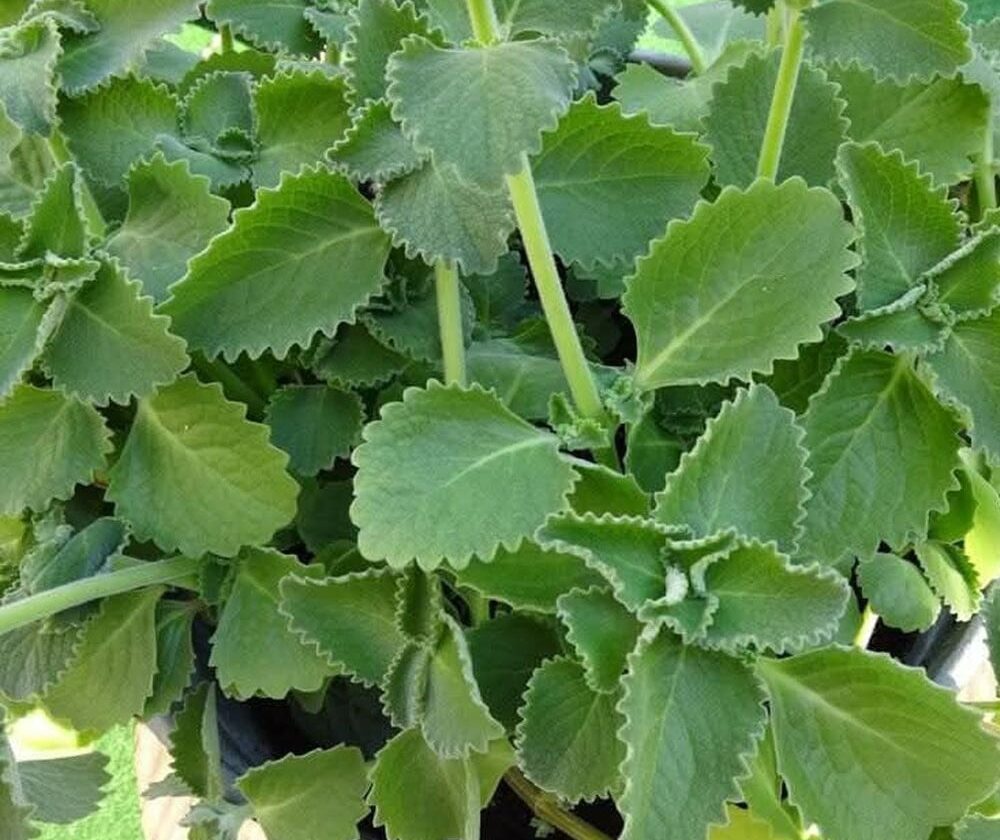
Origanum vulgare—commonly known as oregano—is one of the most recognizable herbs in kitchens around the world. A member of the mint family (Lamiaceae), oregano has long been valued not only for its flavor but also for its potential health-supporting properties.
The name “oregano” comes from Greek words meaning “joy of the mountains,” reflecting the herb’s Mediterranean origins where it grows naturally on rocky hillsides.
While most people associate oregano with pizza, pasta sauces, and Mediterranean dishes, modern scientific research has increasingly focused on its bioactive compounds and possible role in supporting human wellness.
This article explores the science behind oregano, including its key compounds, potential health benefits, and safety considerations.
🌿 Key Bioactive Compounds in Oregano
The health-supporting properties of oregano largely come from its essential oils and plant antioxidants.
The most important compounds include:
Phenolic Monoterpenes
Two compounds dominate oregano’s essential oil:
- Carvacrol
- Thymol
These compounds give oregano its distinctive aroma and are known for their antimicrobial and antioxidant activity.
Flavonoids and Phenolic Acids
Oregano also contains plant antioxidants such as:
- Rosmarinic acid
- Apigenin
- Luteolin
- Quercetin
These molecules help protect cells from oxidative stress, a process linked to aging and chronic disease.
Other Terpenes
Additional compounds like β-caryophyllene, γ-terpinene, and p-cymene also contribute to oregano’s biological activity.
It’s important to note that these compounds exist in much higher concentrations in oregano oil or extracts compared to fresh or dried oregano used in cooking.
🩺 Potential Health Benefits of Oregano
Scientists have studied oregano for several possible wellness benefits. However, many studies have been conducted in laboratories or animal models, meaning more human research is still needed.
1. Rich in Antioxidants
Oregano is one of the most antioxidant-rich culinary herbs.
Its phenolic compounds help neutralize free radicals, which are unstable molecules that can damage cells.
Some research suggests oregano may help:
- Reduce oxidative stress
- Support muscle recovery
- Protect cells from damage
For example, a small 2022 study involving soldiers found that oregano supplementation increased antioxidant levels and reduced markers of muscle damage after intense exercise.
2. Antimicrobial Properties
One of oregano’s most studied characteristics is its ability to fight microbes.
Laboratory research shows oregano compounds can inhibit several microorganisms, including:
- Staphylococcus aureus
- Escherichia coli
- Candida albicans
Because of this, oregano essential oil is sometimes used as a natural food preservative to slow bacterial growth.
However, scientists emphasize that evidence for treating infections in humans is still limited.
3. Anti-Inflammatory Effects
Chronic inflammation is associated with many health conditions, including heart disease and metabolic disorders.
Compounds found in oregano may help reduce inflammatory markers, according to early research.
These effects are mainly linked to:
- Rosmarinic acid
- Flavonoids
- Phenolic antioxidants
More large-scale human trials are still needed to confirm these effects.
4. Digestive Health Support
In traditional herbal medicine, oregano tea has been used to support digestion.
It may help:
- Reduce bloating
- Ease gas
- Relax digestive muscles
Some studies suggest oregano oil could help reduce intestinal parasites, but many of these studies had small sample sizes or lacked placebo controls.
🍵 Oregano in Food vs. Supplements
The form of oregano you consume significantly affects how much of its active compounds you receive.
| Form | Active Compound Level | Typical Use |
|---|---|---|
| Fresh or dried oregano | Low | Culinary herb for flavor and nutrition |
| Oregano tea | Moderate | Mild digestive support |
| Oregano oil or extract | Very high | Concentrated supplement |
Because oregano oil is highly concentrated, it should never be taken orally without professional guidance.
⚠️ Safety and Precautions
Oregano is generally safe when used in normal culinary amounts, but higher doses or supplements may carry risks.
Pregnancy and Breastfeeding
Large medicinal amounts may stimulate the uterus and should be avoided during pregnancy.
Blood-Thinning Medications
Oregano contains vitamin K, which can influence blood clotting. Individuals taking anticoagulants should consult a doctor before using oregano supplements.
Blood Sugar Effects
Oregano may lower blood sugar levels, so people using diabetes medication should monitor glucose carefully.
Allergies
Those allergic to plants in the mint family—such as basil, mint, lavender, or sage—may also react to oregano.
Mineral Absorption
Tannins in oregano may interfere with the absorption of minerals like iron, copper, and zinc if consumed in large amounts.
📝 Final Thoughts
Oregano is far more than a flavorful kitchen herb. Scientific research shows it contains powerful plant compounds with antioxidant, antimicrobial, and anti-inflammatory potential.
However, most of the strongest evidence currently comes from laboratory studies, and more high-quality human research is still needed.
For most people, the safest and easiest way to enjoy oregano’s benefits is simply to use it regularly in cooking. It adds flavor, nutrients, and beneficial plant compounds with minimal risk.
Sometimes the most powerful wellness tools are already sitting in our spice rack.