Introduction
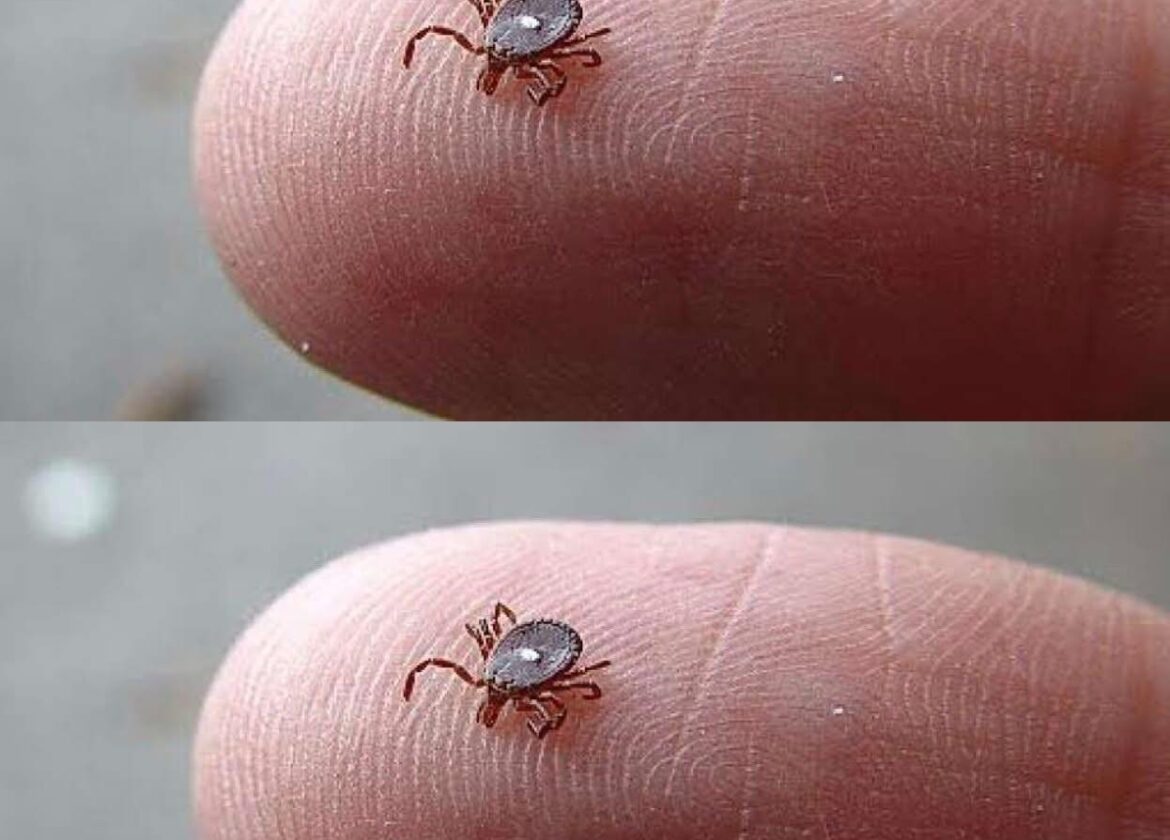
Finding a tick on your skin can be unsettling, especially if it’s the Lone star tick, a species known for its distinctive white spot and aggressive host-seeking behavior. Many people first notice them while gardening, hiking, or spending time outdoors with pets.
Although the sight of a tick can trigger immediate panic, the most important thing to remember is this: stay calm and remove it properly. Acting quickly and following the right steps can significantly reduce the risk of complications.
This guide explains how to safely remove a lone star tick, what symptoms to watch for afterward, and how to reduce the chances of future tick encounters.
What Is a Lone Star Tick?
The Lone star tick is a common tick species found in many parts of North America, particularly in grassy fields, wooded areas, and backyards with dense vegetation.
Key characteristics include:
- Female ticks have a distinct white dot on their back
- They are more aggressive than many other tick species
- Instead of waiting on plants, they often actively seek hosts
These ticks attach to humans, pets, deer, and other wildlife.
Step 1: Stay Calm and Remove the Tick Quickly
If you find a tick attached to your skin, try not to panic. The best response is to remove it carefully as soon as possible.
How to Remove a Tick Safely
- Use fine-tipped tweezers.
- Grasp the tick as close to the skin’s surface as possible.
- Pull upward slowly and steadily.
- Avoid twisting or jerking the tick.
- Once removed, clean the bite area with soap and water or rubbing alcohol.
Avoid squeezing the tick with your fingers, as this can expose you to bacteria.
Step 2: Save the Tick and Monitor the Bite
Most people throw the tick away immediately, but it can actually be helpful to keep it for identification.
Place the tick in:
- A sealed container
- A small plastic bag
- Tape or a piece of paper
Also write down:
- The date you found the tick
- The location on your body where it was attached
Over the next two to three weeks, monitor the bite area and your health for symptoms.
Symptoms to Watch For
After a tick bite, keep an eye out for unusual symptoms, including:
- Rash or spreading redness
- Fever or chills
- Fatigue
- Muscle aches
- Headache
Some tick species can transmit diseases such as Lyme disease, Ehrlichiosis, or the unusual condition Alpha-gal syndrome, which has been linked to the lone star tick.
If any symptoms appear, contact a healthcare professional promptly.
How to Prevent Tick Bites
If you spend time outdoors in areas where ticks live, taking preventive measures can greatly reduce your risk.
Personal Protection
- Wear long sleeves and long pants
- Tuck pants into socks when hiking
- Use insect repellents containing DEET, picaridin, or permethrin
- Shower and check your body after outdoor activities
Check Pets
Pets can easily carry ticks into your home. Be sure to check:
- Ears
- Neck
- Under the legs
- Around the tail
Tick Prevention in Your Yard
You can also reduce tick populations around your home with a few landscaping practices:
- Keep grass short and trimmed
- Remove leaf litter and brush
- Clear fallen branches and debris
- Create barriers of gravel or wood chips between lawns and wooded areas
In areas with heavy tick populations, some homeowners consider yard treatments designed to control ticks.
When to See a Doctor
You should seek medical advice if:
- A rash develops near the bite
- Flu-like symptoms appear
- The bite becomes swollen or infected
- You cannot fully remove the tick
Early treatment is important for many tick-borne illnesses.
Final Thoughts
Encountering a Lone star tick can be alarming, but most tick bites can be managed safely with quick action and proper care.
The key steps are simple:
- Remove the tick carefully
- Clean the bite area
- Save the tick if possible
- Monitor your health for symptoms
With the right knowledge and a few precautions, you can enjoy outdoor activities while minimizing the risk of tick-related problems.
⚠️ Health Note:
This article provides general information and should not replace professional medical advice. If you experience unusual symptoms after a tick bite, consult a healthcare provider promptly.