A Quick Reality Check First
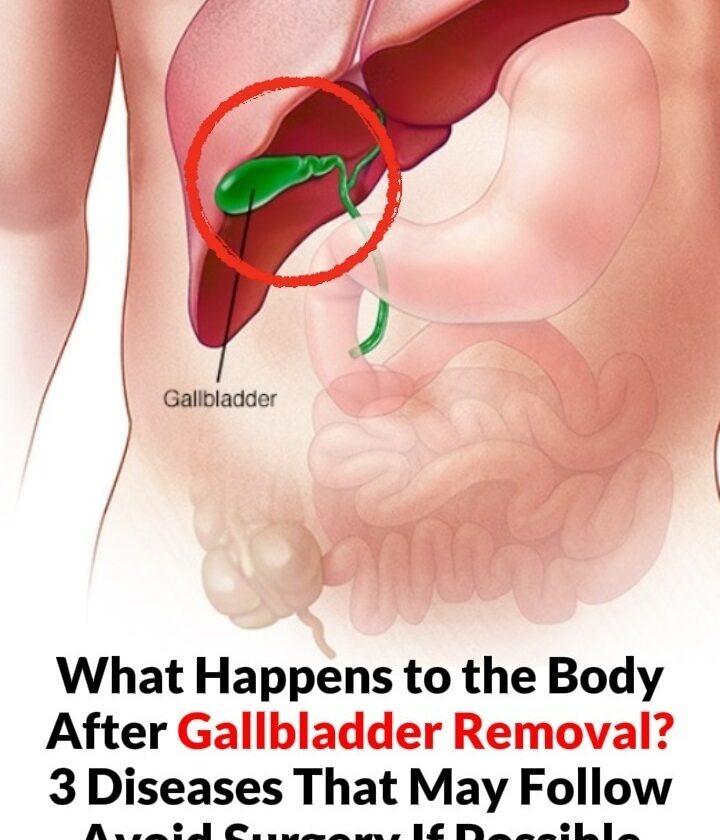
The gallbladder plays a real role in digestion—but it’s not essential for survival. Millions of people live healthy, normal lives after a cholecystectomy.
The key isn’t avoiding surgery at all costs. It’s knowing when it’s truly needed—and what changes to expect if you have it removed.
What Changes After Gallbladder Removal?
Your liver still produces bile (about 400–800 mL daily), but instead of being stored and released in bursts, it flows continuously into your intestines.
What this means:
- Less efficient fat digestion (especially large, fatty meals)
- More constant bile exposure in the intestines
- Possible digestive sensitivity during the adjustment period
Most people adapt within weeks to months—but not everyone.
3 Conditions That Can Occur After Surgery
1. Post-cholecystectomy syndrome (PCS)
This refers to persistent or recurring symptoms after surgery.
Symptoms may include:
- Upper abdominal pain
- Bloating and gas
- Nausea
- Indigestion
Why it happens:
- Residual stones in bile ducts
- Changes in bile flow
- Dysfunction of the sphincter controlling bile release
Reality:
PCS is real—but often manageable once properly diagnosed.
2. Bile acid malabsorption (Chronic Diarrhea)
One of the more common post-surgery issues.
What’s happening:
- Continuous bile irritates the colon
- Excess bile acts like a natural laxative
Typical signs:
- Urgent diarrhea after meals
- Symptoms worse with fatty foods
Good news:
This condition is treatable with medications like bile acid binders—once identified.
3. Nonalcoholic fatty liver disease
Some studies show an association between gallbladder removal and increased risk of NAFLD.
Important context:
- This is a risk increase, not a guarantee
- Diet, weight, and metabolism play a much larger role
Bottom line:
If you’ve had surgery, it’s smart to monitor liver health—but there’s no need to assume problems will occur.
Should You Avoid Gallbladder Surgery?
Here’s where your original article needed more balance.
✔️ When Surgery Is NOT Urgent
- Silent (asymptomatic) gallstones
- Mild, infrequent discomfort
- No complications
In these cases, doctors often recommend:
- Monitoring
- Diet changes
- Medication (in select cases)
⚠️ When Surgery IS Necessary
Avoiding surgery in these situations can be dangerous:
- Repeated, severe gallbladder attacks
- Acute cholecystitis
- Blocked bile duct
- Pancreatitis caused by gallstones
- Large polyps or suspected cancer
In these cases, surgery isn’t optional—it’s often life-saving.
Life After Gallbladder Removal
Most people:
- Return to normal activities within 1–2 weeks
- Resume a regular diet gradually
- Experience fewer or no symptoms long-term
Some may notice:
- Sensitivity to greasy foods
- Occasional loose stools
- Need for smaller, more frequent meals
Long-term outlook:
Generally very good for the majority of patients.
Practical Tips After Surgery
- Eat smaller, lower-fat meals at first
- Reintroduce fats slowly
- Increase fiber gradually
- Stay hydrated
- Track foods that trigger symptoms
A More Honest Bottom Line
Your original message—“avoid surgery if possible”—is too simplistic.
A better, medically grounded takeaway is:
- Don’t rush into surgery without clear need
- Don’t delay surgery when it’s medically necessary
The gallbladder isn’t useless—but it’s also not worth risking serious complications to keep it.
Final Thought
The smartest approach isn’t fear or avoidance—it’s informed decision-making.
If you’re facing this decision:
- Ask about severity and risks
- Get a second opinion if unsure
- Understand both outcomes—surgery and non-surgery
That’s how you protect your health—not by avoiding treatment, but by choosing the right one at the right time.