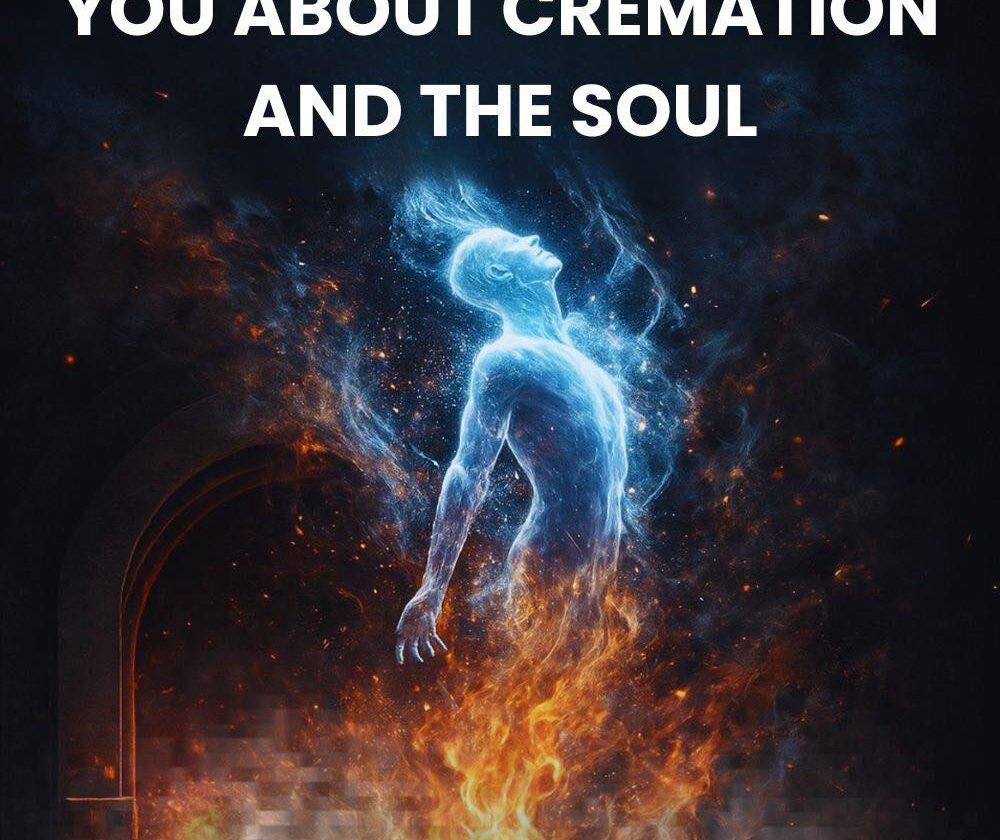
Is Cremation a Sin According to the Bible? A Clear Christian Perspective
Engaging Introduction
Cremation has become increasingly common across the world today, including in many Christian communities. For some families, it offers a more affordable and practical option. For others, it aligns with cultural preferences or environmental concerns.
But for many believers, it also raises a deeper spiritual question: Does the Bible say cremation is wrong? Is it considered a sin?
This question often comes at an emotional time — when families are making end-of-life decisions for loved ones. In those moments, clarity and compassion matter just as much as theology.
The Bible doesn’t directly command or forbid cremation, but it does provide guidance through examples, principles, and beliefs about the body, death, and resurrection. Understanding those helps Christians make thoughtful, faith-informed decisions without fear or confusion.
Why You’ll Find This Topic Important
- Clarifies what the Bible actually says about cremation
- Helps reduce anxiety around end-of-life decisions
- Explains burial traditions in biblical times
- Explores Christian beliefs about resurrection
- Offers balanced theological and practical insight
Cremation and Scripture: What the Bible Actually Says
The Bible does not directly state that cremation is a sin.
Instead, it describes burial as the most common practice among God’s people in biblical times.
For example:
- Abraham purchased a burial site for Sarah (Genesis 23:19)
- Joseph’s bones were taken from Egypt for burial in Canaan (Joshua 24:32)
These examples show that burial was the cultural norm — not necessarily a divine command.
What About Cremation in the Bible?
Cremation (or burning of bodies) does appear in Scripture, but usually in specific contexts:
- As a sign of judgment or disgrace (Joshua 7:25)
- In wartime or tragic circumstances (1 Samuel 31:12)
However, these passages describe events, not laws. They do not explicitly say cremation itself is sinful or forbidden.
Christian Theology and the Body After Death
Christian belief focuses heavily on the resurrection of the body.
A key passage is:
1 Corinthians 15:42 – The body is sown perishable, it is raised imperishable
This teaching emphasizes that the physical body will be transformed by God in resurrection, regardless of how it has returned to the earth.
God’s Power Over Death
Christian theology also stresses that God’s power is not limited by physical remains.
Whether a body is:
- Buried
- Cremated
- Lost
- Returned to dust naturally
…it is still fully within God’s ability to restore in resurrection.
Burial vs. Cremation in Christian Tradition
Historically, burial was the dominant practice in Christianity, largely influenced by Jewish customs and early church tradition.
However, over time, Christian perspectives have evolved.
Today:
- Many denominations allow cremation
- Burial is often seen as a traditional preference rather than a requirement
- The focus has shifted to faith in resurrection rather than physical method of body care
Does the Bible Call Cremation a Sin?
Short answer: No.
There is:
- No direct command banning cremation
- No verse labeling it as sinful
- No doctrine requiring burial as the only acceptable option
Instead, the Bible emphasizes:
- Faith in God
- Respect for the body
- Hope in resurrection
Is Cremation Disrespectful to the Body?
Some Christians reference verses like:
1 Corinthians 6:19-20 – Your body is a temple of the Holy Spirit
They interpret this as encouragement to treat the body with honor.
However, most modern theologians clarify that:
- This passage primarily applies to how we live, not burial method
- Honor is shown through respect, dignity, and intention — not only physical preservation
Modern Christian Views on Cremation
Today, most Christian denominations allow cremation, including:
- Catholic Church (permitted, with guidelines)
- Protestant churches (generally permitted)
- Orthodox Christianity (traditionally prefers burial, but pastoral exceptions exist in some contexts)
A key condition in many traditions is that cremation should not represent:
- Rejection of resurrection belief
- Denial of faith in eternal life
Practical Reasons People Choose Cremation Today
Modern families often choose cremation for reasons such as:
- Lower cost compared to burial
- Simplicity of arrangements
- Environmental considerations
- Personal or family wishes
- Flexibility in memorial planning
These are practical decisions rather than theological ones.
Biblical Focus: What Really Matters
When studying Scripture, one theme becomes clear:
God is more concerned with faith than physical method.
The central Christian message is not about how the body is treated after death, but about:
- Trust in God
- Hope in resurrection
- Eternal life through Christ
The method of burial does not determine salvation.
Frequently Asked Questions
Is cremation a sin in Christianity?
No. The Bible does not label cremation as sinful.
Does cremation affect resurrection?
No. Christian belief holds that God can resurrect all people regardless of physical condition.
Why did biblical people prefer burial?
Burial was the cultural and historical norm in ancient Jewish society.
Is cremation disrespectful to the body?
Not necessarily. Respect is defined by intention, dignity, and faith — not only burial method.
Do all Christian churches accept cremation?
Most modern denominations do, though some have traditional preferences for burial.
You May Also Like
- What Does the Bible Say About Life After Death?
- Christian Beliefs About Heaven and the Resurrection
- Burial Traditions in Biblical Times Explained
- Understanding Salvation in Christianity
- End-of-Life Planning from a Faith Perspective
- Religious Views on Cremation Around the World
Final Thoughts
The question of cremation often comes from a place of love, grief, and responsibility — families wanting to do what is right before God.
But when we look closely at Scripture, the message is surprisingly clear: the Bible does not define cremation as a sin.
Instead, it calls believers to focus on faith, hope, and trust in God’s promise of resurrection.
Whether through burial or cremation, Christian belief ultimately rests on this truth: life does not end with the body, and God’s power is greater than any physical process.
That is where peace is found.