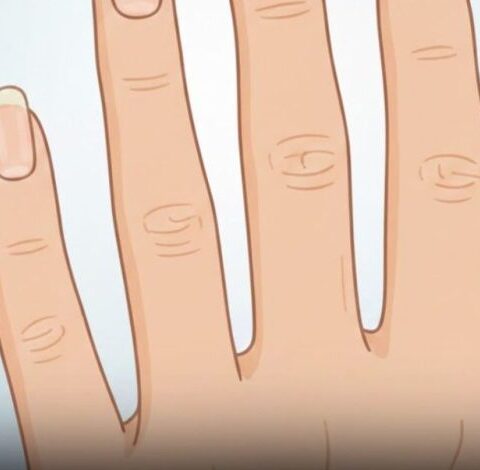
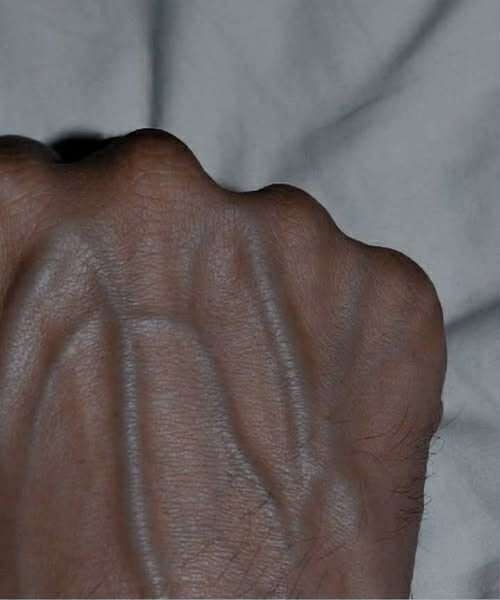
Why Are My Veins Suddenly More Visible? What Your Body May Be Telling You
Engaging Introduction
One day you glance at your hands, arms, legs, or chest and notice something that wasn’t quite as obvious before: blue veins standing out beneath your skin.
Suddenly, it’s hard not to focus on them.
You may wonder whether it’s a circulation problem, a vitamin deficiency, aging, or something more serious. The internet rarely helps calm those fears. A simple search can quickly spiral into worst-case scenarios, leaving you anxious over something that might actually be completely normal.
The truth is, visible veins are often harmless and surprisingly common. In many cases, they’re simply a result of natural body changes like aging, exercise, body fat levels, skin tone, or temperature. But sometimes, especially when other symptoms appear alongside them, prominent veins can point to circulation issues or underlying vascular conditions worth checking out.
Knowing the difference between normal and concerning changes can help you respond calmly — and wisely.
Why You’ll Find This Helpful
- Explains common causes of visible veins
- Helps distinguish normal changes from warning signs
- Covers circulation and vein health in simple language
- Reduces unnecessary anxiety while encouraging awareness
- Includes signs that may require medical attention
Why Veins Become More Visible
Veins carry blood back to the heart, and many lie just beneath the skin’s surface.
Several completely normal factors can make them easier to see.
1. Low Body Fat
One of the most common reasons for visible veins is reduced body fat.
Fat sits beneath the skin and partially covers blood vessels. When body fat decreases:
- Veins become more noticeable
- Muscle definition increases
- Blue or green veins appear more prominent
This is especially common in:
- Athletes
- Lean individuals
- People who recently lost weight
In many cases, it’s simply a reflection of body composition.
2. Exercise and Physical Activity
Regular exercise increases blood flow and can temporarily enlarge veins.
Strength training, cardio workouts, and heavy lifting may cause:
- Veins to bulge slightly
- Increased vascular appearance
- Temporary vein prominence after workouts
Over time, athletic conditioning can also make veins more permanently visible due to improved circulation and reduced body fat.
3. Aging and Thinning Skin
As we age, skin naturally becomes thinner and loses collagen.
This makes underlying structures — including veins — easier to see.
Aging can also:
- Reduce skin elasticity
- Make veins appear darker
- Increase visibility in hands and legs
For many adults, visible veins are simply part of normal aging.
4. Warm Weather or Heat
Heat causes blood vessels to expand slightly.
That’s why veins often appear more noticeable:
- After a hot shower
- During summer weather
- After time in the sun
- Following exercise
Once the body cools down, veins usually become less prominent again.
5. Genetics and Skin Tone
Some people naturally have more visible veins because of:
- Fair or thin skin
- Genetics
- Vein placement close to the skin surface
This is especially common in lighter skin tones but can occur in anyone.
Are Visible Veins Dangerous?
Usually, no.
Visible veins alone are often harmless — especially if:
- There’s no pain
- No swelling
- No redness
- No skin changes
For many people, visible veins are simply cosmetic.
However, certain symptoms should not be ignored.
Warning Signs That May Need Medical Attention
Visible veins become more concerning when accompanied by symptoms like:
- Pain or tenderness
- Swelling
- Skin discoloration
- Warmth around the vein
- Leg heaviness
- Persistent cramping
- Slow-healing wounds
- Cold fingers or toes
- Sudden changes in circulation
These symptoms may point to:
- Varicose veins
- Venous insufficiency
- Circulation problems
- Blood clots
- Peripheral vascular disease
Varicose Veins vs. Normal Veins
Not all visible veins are varicose veins.
Normal Visible Veins
Usually:
- Flat or slightly raised
- Blue or green
- Painless
- Symmetrical
Varicose Veins
Often:
- Twisted or bulging
- Enlarged
- Achy or heavy feeling
- Accompanied by swelling or itching
Varicose veins develop when valves inside veins weaken and blood pools instead of flowing efficiently.
When to See a Doctor
It’s a good idea to seek medical advice if:
- Veins suddenly become very prominent
- One leg swells more than the other
- Pain develops
- Skin changes appear
- You notice ulcers or wounds
- Symptoms interfere with daily life
A healthcare professional can evaluate circulation and rule out underlying vascular conditions.
Can Poor Circulation Cause Visible Veins?
Sometimes.
Circulation issues may contribute to vein changes, especially when accompanied by:
- Cold extremities
- Numbness
- Fatigue in legs
- Skin discoloration
However, many people with visible veins have completely healthy circulation.
That’s why symptoms matter more than appearance alone.
Healthy Habits for Vein and Circulation Support
Certain lifestyle habits may help support healthy veins and blood flow.
Stay Active
Walking and regular movement improve circulation.
Maintain Healthy Weight
Reducing excess pressure on veins can improve comfort.
Elevate Legs
Helpful for people who stand or sit for long periods.
Stay Hydrated
Proper hydration supports healthy blood flow.
Avoid Long Periods of Sitting
Frequent movement helps circulation.
Wear Compression Socks (If Recommended)
These may help reduce swelling and discomfort.
Can Stress or Anxiety Make Veins Look More Noticeable?
Yes, sometimes.
Stress and anxiety can temporarily:
- Raise blood pressure
- Increase circulation
- Make veins appear more visible
This effect is usually temporary and harmless.
Frequently Asked Questions
Why are my veins suddenly more visible?
Common causes include exercise, weight loss, heat, aging, or thinner skin.
Are visible veins a sign of poor circulation?
Not always. Many visible veins are completely normal.
Should I worry about blue veins?
Usually not unless accompanied by pain, swelling, or skin changes.
Can dehydration affect vein appearance?
Yes. Hydration changes can sometimes affect vein visibility temporarily.
Are visible veins normal with aging?
Yes. Skin thinning with age often makes veins easier to see.
You May Also Like
- Signs of Poor Circulation You Shouldn’t Ignore
- What Causes Varicose Veins?
- Easy Ways to Improve Blood Flow Naturally
- Why Hands Change Appearance With Age
- Healthy Habits for Heart and Vascular Health
- Common Body Changes That Are Usually Harmless
Final Thoughts
Seeing veins become more visible can feel unsettling at first, especially when the change seems sudden.
But in many cases, those blue lines beneath the skin are simply part of how the body adapts and changes over time. Exercise, aging, temperature, body composition, and genetics can all make veins more noticeable without signaling anything dangerous.
The important thing is paying attention to the bigger picture.
Pain, swelling, skin changes, or circulation problems deserve medical attention. But visible veins alone are often just another reminder that the body is constantly shifting, responding, and revealing the story of how we live inside it.
And sometimes, what looks alarming at first is simply the body being beautifully human.