
SEO Title:
Why Does Ground Beef Turn Gray? Food Safety Experts Explain When It’s Safe to Eat
Engaging Introduction
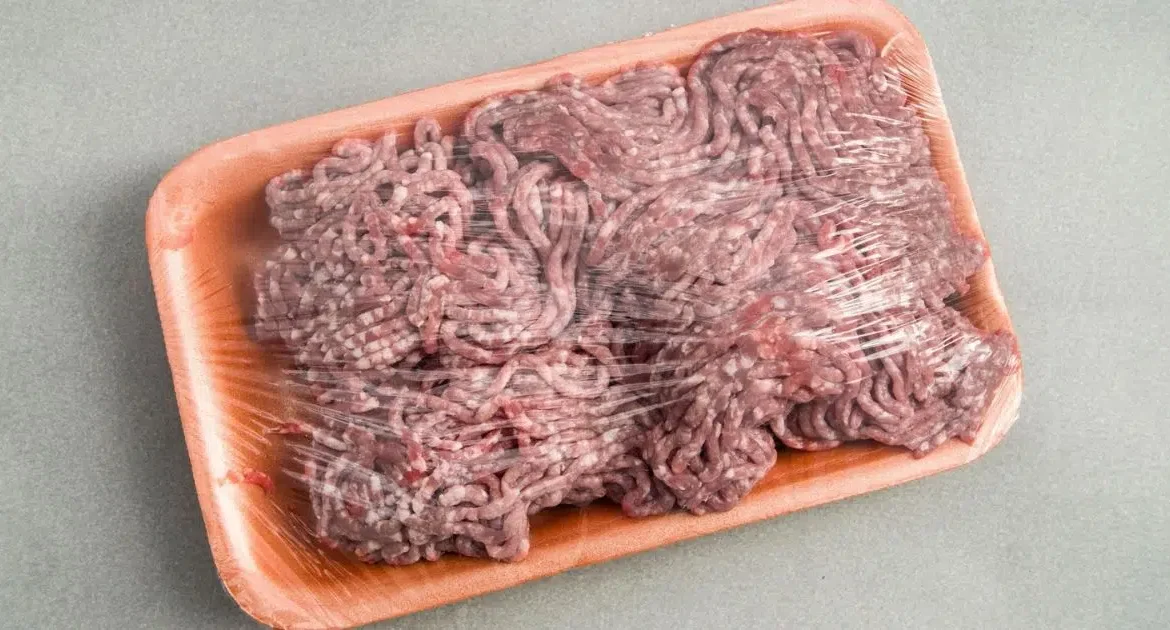
Almost everyone has experienced this moment: you bring home a package of fresh ground beef, open it up to start dinner, and suddenly notice gray or brown coloring inside the meat. Instantly, questions start racing through your mind. Is it spoiled? Is it still safe to cook? Should you throw it away?
Because fresh beef is usually associated with a bright cherry-red color, gray meat can look alarming. But surprisingly, gray ground beef is not always a sign that something has gone bad. In many cases, the color change is completely normal and linked to how meat reacts to oxygen exposure during packaging and storage.
Understanding the difference between harmless color changes and actual spoilage can help you avoid wasting money, reduce food waste, and keep your family safe from foodborne illness. Here’s what food safety experts say you should know before tossing that next package of ground beef.
Why You’ll Love This Helpful Guide
- Explains why ground beef changes color
- Helps you identify signs of spoiled meat
- Includes food safety tips for storing beef properly
- Prevents unnecessary food waste
- Easy-to-understand science-backed information
Why Ground Beef Turns Gray
Many people assume gray ground beef automatically means the meat has spoiled, but that is not always true.
Fresh meat contains a natural protein called myoglobin, which reacts with oxygen. When myoglobin is exposed to oxygen, it forms oxymyoglobin, creating the bright red color people associate with fresh beef.
However, areas of ground beef that are not exposed to oxygen — especially the center of tightly packed packages — can appear gray or brown.
This is a completely normal chemical reaction and does not automatically mean the meat is unsafe.
When Gray Ground Beef Is Usually Safe
Ground beef that is gray only in the middle is often still perfectly fine to cook and eat.
This happens because:
- Oxygen cannot fully reach the center of the package
- Vacuum-sealed packaging limits oxygen exposure
- Stacked meat inside the package remains darker naturally
If the beef:
- Smells fresh
- Feels normal
- Is within the expiration date
- Has been refrigerated properly
…it is usually safe to use.
When Ground Beef May Be Unsafe
Color alone does not always determine freshness. Instead, look for multiple warning signs.
Signs Ground Beef May Have Gone Bad
1. Gray or Brown on the Outside
If the outside surface of the meat looks dull gray, brown, or greenish, spoilage may be developing.
2. Bad Smell
Fresh ground beef should have little or no odor.
Throw it away if it smells:
- Sour
- Rotten
- Sulfur-like
- Ammonia-like
- “Off” in any noticeable way
3. Slimy or Sticky Texture
Spoiled meat often develops a slippery or sticky coating caused by bacterial growth.
4. Expired Storage Time
Even refrigerated beef has limits.
According to food safety guidelines:
- Raw ground beef should usually be used within 1–2 days
- Frozen ground beef lasts about 3–4 months for best quality
Is Brown Ground Beef Safe?
Sometimes beef appears more brown than gray. This can also result from oxidation and is not always dangerous.
However, brown beef combined with:
- Strong odor
- Sticky texture
- Excess liquid
- Mold or discoloration
…usually indicates spoilage.
When in doubt, follow the golden food safety rule:
👉 “If it smells bad, throw it out.”
Is Gray Beef Dangerous?
Potentially — but not always.
Unsafe ground beef may contain harmful bacteria such as:
- E. coli
- Salmonella
- Listeria
Food poisoning symptoms may include:
- Stomach cramps
- Vomiting
- Diarrhea
- Fever
- Nausea
Because ground beef is processed throughout the meat grinder, bacteria can spread more easily than in whole cuts of meat.
How to Store Ground Beef Properly
Refrigerator Storage Tips
- Keep beef at 40°F (4°C) or below
- Store in the coldest section of the refrigerator
- Use within 1–2 days
Freezer Storage Tips
- Freeze immediately if not using soon
- Wrap tightly to reduce freezer burn
- Label with purchase date
Best Practices for Cooking Ground Beef Safely
Always cook ground beef thoroughly.
Recommended Safe Internal Temperature
Use a food thermometer and cook ground beef to:
160°F (71°C)
This temperature kills harmful bacteria and helps prevent foodborne illness.
Common Myths About Ground Beef Color
Myth: Bright Red Beef Is Always Fresh
Not necessarily. Meat can be treated with packaging methods that maintain red coloring longer.
Myth: Gray Beef Is Always Spoiled
False. Lack of oxygen often causes harmless gray coloring inside packages.
Myth: Smell Doesn’t Matter
Smell is actually one of the most important freshness indicators.
Is Ground Beef Healthy?
Ground beef can be part of a balanced diet when eaten in moderation.
Benefits include:
- High-quality protein
- Iron
- Zinc
- Vitamin B12
Choosing leaner ground beef options can help reduce saturated fat intake.
Frequently Asked Questions
Why is my ground beef gray inside?
Usually because oxygen did not reach the center of the package.
Can I cook gray ground beef safely?
Yes, if it smells normal, feels normal, and has been stored properly.
What color should spoiled beef be?
Spoiled beef may appear dull gray, greenish, or brown and often develops a bad smell.
How long does raw ground beef last in the fridge?
Typically 1–2 days after purchase.
Should I rinse ground beef before cooking?
No. Rinsing raw meat can spread bacteria around your kitchen.
You May Also Like
- How Long Cooked Meat Lasts in the Refrigerator
- Common Food Storage Mistakes That Cause Food Poisoning
- Best Ways to Freeze Ground Beef Properly
- Easy Healthy Ground Beef Dinner Recipes
- How to Tell If Chicken Has Gone Bad
- Safe Internal Temperatures for Meat and Poultry
Final Thoughts
Seeing gray ground beef can definitely be unsettling, especially when you expect fresh meat to look bright red. Fortunately, a gray center is often completely normal and simply reflects reduced oxygen exposure inside the packaging.
The most important signs to watch for are smell, texture, storage time, and overall appearance—not color alone.
Understanding these basic food safety principles can help you avoid unnecessary waste while still protecting your health and your family’s safety in the kitchen.