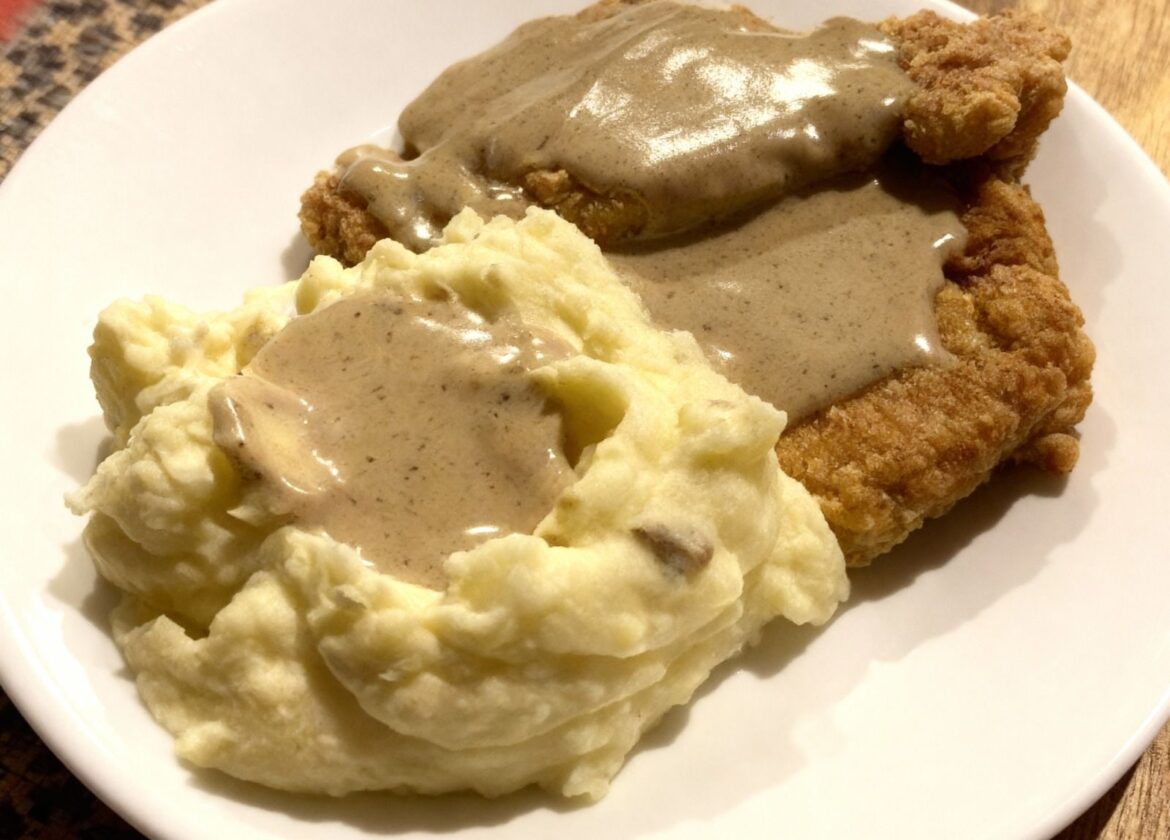
Grandma’s Secret Mashed Potatoes Recipe – Creamy, Buttery Comfort Food Perfection
There’s something deeply comforting about a bowl of homemade mashed potatoes done right.
Not the bland, gluey kind that comes from rushing dinner on a busy night. We’re talking about the rich, creamy, buttery mashed potatoes that seem to exist only at Grandma’s table — soft as clouds, full of flavor, and somehow capable of making any meal feel warmer and more complete.
For generations, grandmothers have quietly mastered the art of perfect mashed potatoes through patience, instinct, and a few simple kitchen secrets passed down over countless holiday dinners and Sunday family meals.
And the truth is, great mashed potatoes are not complicated.
They simply require the right techniques, good ingredients, and a little care.
Whether you’re planning a Thanksgiving feast, a cozy family dinner, or an easy comfort food side dish, these old-fashioned mashed potato tips can completely transform the way you cook.
Why You’ll Love These Grandma-Style Mashed Potatoes
- Ultra creamy and buttery texture
- Easy comfort food side dish
- Perfect for holidays and family dinners
- Foolproof tips for fluffy mashed potatoes
- Rich homemade flavor with simple ingredients
The Secret Starts With the Right Potatoes
The biggest mashed potato mistakes usually happen before cooking even begins.
Grandma always knew that choosing the right potato matters more than people realize.
Best Potatoes for Mashed Potatoes
Russet Potatoes
Russets are high in starch, which creates:
- Fluffy texture
- Light consistency
- Classic creamy mash
Yukon Gold Potatoes
Yukon Golds offer:
- Naturally buttery flavor
- Rich golden color
- Creamier texture
Many home cooks even combine the two for the perfect balance of fluffiness and richness.
Avoid Waxy Potatoes
Red potatoes and fingerlings contain more moisture and less starch, which can create:
- Dense texture
- Gummy mashed potatoes
- Sticky consistency
Grandma understood one important truth:
Not all potatoes mash the same way.
Why Grandma Boiled Potatoes Whole
One of the smartest old-fashioned cooking tricks is boiling potatoes whole with the skin still on.
At first, this sounds backward.
But there’s a reason experienced cooks swear by it.
Benefits of Boiling Whole Potatoes
Prevents Waterlogged Potatoes
Cut potatoes absorb more water while boiling, which can lead to watery mashed potatoes.
Preserves Flavor
The skins help lock in natural potato flavor.
Retains Nutrients
Keeping the skin on helps preserve vitamins and minerals during cooking.
Once cooked, the skins slide off easily with your fingers.
Simple.
Practical.
Brilliant.
The Steam-Out Trick That Changes Everything
This may be Grandma’s most underrated secret.
After draining the potatoes, don’t mash them immediately.
Instead:
- Return them to the warm pot
- Let them sit for several minutes
- Allow excess moisture to evaporate naturally
This creates dry, fluffy potatoes ready to absorb butter and cream beautifully.
Without this step, potatoes can become:
- Mushy
- Heavy
- Waterlogged
As many grandmothers would say:
“Dry potatoes make happy mash.”
Never Add Cold Dairy
This single mistake ruins countless bowls of mashed potatoes.
Adding cold butter or milk shocks the potato starch and creates a gluey texture.
Grandma’s Rule:
Everything should be warm or room temperature.
Best Practice:
- Melt the butter first
- Warm the milk or cream gently
- Let sour cream or cream cheese sit out before adding
This helps create:
- Smooth texture
- Even consistency
- Better flavor absorption
Why Grandma Never Used Electric Mixers
Overmixing is the enemy of creamy mashed potatoes.
Electric mixers break down potato starch too aggressively, creating sticky, gummy potatoes.
That’s why traditional cooks prefer:
- Hand mashers
- Potato ricers
- Food mills
These tools gently mash potatoes without turning them into paste.
The result:
- Light texture
- Velvety consistency
- Better mouthfeel
Grandma’s Magic Mashed Potato Ratio
Most grandmothers cooked by instinct rather than measurements.
But the classic balance is surprisingly simple.
For Every 2 Pounds of Potatoes:
- 1/2 cup warm cream
- 1 stick real butter
- Salt to taste
The key is gradual mixing.
Add a little at a time.
Taste.
Adjust.
Taste again.
That’s how mashed potatoes become unforgettable instead of ordinary.
Secret Ingredients That Elevate Mashed Potatoes
Some grandmothers quietly added extra ingredients without ever telling anyone.
Small additions can create incredible depth of flavor.
Popular Flavor Boosters
Cream Cheese
Adds:
- Tanginess
- Extra creaminess
- Rich texture
Roasted Garlic
Provides:
- Sweet garlic flavor
- Warm depth
- Restaurant-style richness
Chicken Broth
A splash can add savory richness without overwhelming the potatoes.
Sour Cream
Creates:
- Slight tang
- Smooth texture
- Extra moisture
The trick is subtlety.
The potatoes should still taste like potatoes.
Is Homemade Mashed Potatoes Healthy?
Mashed potatoes can absolutely fit into a balanced diet when prepared thoughtfully.
Potatoes naturally provide:
- Potassium
- Vitamin C
- Fiber (especially with skins)
- Complex carbohydrates
The richness usually comes from:
- Butter
- Cream
- Cheese
To Make Them Lighter:
- Use milk instead of heavy cream
- Reduce butter slightly
- Add Greek yogurt for creaminess and protein
- Leave some skin on for extra fiber
Homemade mashed potatoes are often healthier than processed instant versions because they contain fewer additives and preservatives.
Calories & Nutrition
Estimated Nutrition Per Serving
(Based on classic preparation)
- Calories: ~220–320
- Carbohydrates: ~30g
- Fat: ~10–18g
- Protein: ~3–5g
Nutrition varies depending on:
- Butter amount
- Cream used
- Added cheese or sour cream
Tips for the Best Mashed Potatoes Every Time
Salt the Water Generously
Potatoes absorb seasoning while boiling.
Mash While Hot
Warm potatoes mash more smoothly than cold potatoes.
Don’t Overmix
Too much stirring activates starch and creates gumminess.
Use Real Butter
The flavor difference matters.
Taste Before Serving
Perfect mashed potatoes always need final seasoning adjustment.
Frequently Asked Questions
What potatoes make the best mashed potatoes?
Russet and Yukon Gold potatoes are the most popular choices for fluffy, creamy mashed potatoes.
Why are my mashed potatoes gummy?
Overmixing or using cold dairy products can create a sticky texture.
Can I make mashed potatoes ahead of time?
Yes. Keep them warm in a covered bowl over simmering water or reheat gently with extra cream.
Is it better to peel potatoes before boiling?
Many traditional cooks boil potatoes with skins on to reduce water absorption and preserve flavor.
Can mashed potatoes be frozen?
Yes, though texture may slightly change. Reheat with extra butter or cream for best results.
You May Also Like
- Easy Homemade Gravy Recipe
- Creamy Mac and Cheese
- Best Southern Cornbread Recipe
- Garlic Butter Dinner Rolls
- Classic Pot Roast with Vegetables
- Easy Comfort Food Side Dishes
Final Thoughts
Perfect mashed potatoes are never just about potatoes.
They’re about comfort.
Tradition.
Family dinners.
Holiday memories.
And the quiet love that turns simple ingredients into something unforgettable.
Grandmothers understood that great cooking isn’t rushed.
It’s thoughtful.
Patient.
Intentional.
And maybe that’s the real secret behind the creamy, buttery mashed potatoes everyone remembers long after dinner ends.
Because in the end, Grandma wasn’t simply making food.
She was creating warmth people carried with them for years. 🥔✨