
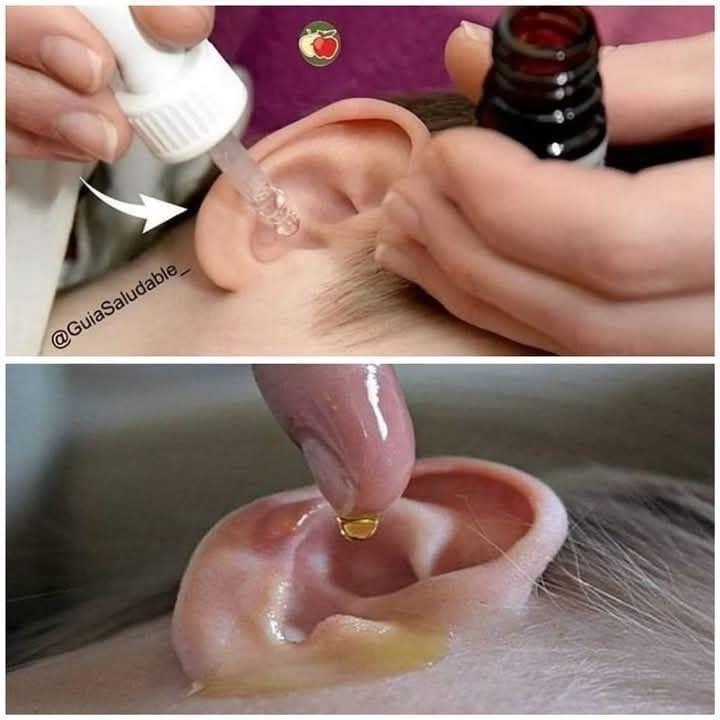
Can Garlic Oil Restore Hearing? Doctors Say This Viral Remedy Could Do More Harm Than Good
The internet is full of “miracle cures,” but few spread as quickly as the claim that putting garlic oil in your ear can restore hearing.
The promise sounds incredibly tempting:
A few drops of a natural oil.
No expensive treatments.
No hearing aids.
No doctor visits.
Just garlic and olive oil supposedly reversing hearing loss from home.
For anyone struggling with:
- Muffled hearing
- Ringing in the ears
- Trouble following conversations
- Age-related hearing decline
the idea feels hopeful.
But according to hearing specialists, audiologists, and ENT doctors, there’s an important reality people need to understand:
Garlic oil does not restore hearing loss.
And in some situations, putting homemade remedies into the ear canal can actually create serious complications.
Before trying viral DIY treatments, it’s important to separate science from social media myths.
Why the Garlic Oil Hearing Remedy Became Popular
The claim usually follows a simple formula:
- Crush fresh garlic
- Mix it with olive oil
- Let it sit
- Put several drops into the ear
Supporters claim the mixture can:
- Reduce inflammation
- Clear blockage
- Kill bacteria
- Restore hearing naturally
Part of the reason this idea spreads so easily is because garlic itself genuinely contains beneficial compounds.
Garlic
Garlic has been studied for:
- Antimicrobial effects
- Anti-inflammatory properties
- Immune support
- Cardiovascular benefits
But there’s a major difference between garlic supporting general health and garlic reversing hearing damage.
Those are not the same thing.
The Reality About Most Hearing Loss
Many people imagine hearing loss as something blocking sound from entering the ear.
But in reality, the most common type of hearing loss is called sensorineural hearing loss.
Sensorineural hearing loss
This type usually occurs because of:
- Aging
- Loud noise exposure
- Nerve damage
- Injury to delicate inner ear hair cells
Once those tiny sensory cells become damaged, they typically do not regenerate naturally.
That’s why experts emphasize:
Hearing loss is often not a “clogged pipe” problem.
It’s microscopic damage inside the auditory system.
And no oil — garlic or otherwise — can rebuild destroyed hair cells.
Risks of Putting Garlic Oil in Your Ear
Many people assume “natural” automatically means harmless.
Unfortunately, that isn’t always true.
Homemade ear remedies can carry real risks, especially when used improperly.
Possible Complications Include:
Ear Canal Irritation
Raw garlic contains powerful compounds that may irritate sensitive ear tissue.
Chemical Burns
Concentrated garlic mixtures can sometimes cause burning sensations or skin damage inside the ear canal.
Infection Risk
If the eardrum is perforated — even slightly — introducing oil may increase the risk of deeper infection.
Trapped Earwax
Oil can sometimes worsen blockage by trapping wax and debris deeper inside the ear.
Delayed Medical Diagnosis
Perhaps most importantly, relying on home remedies may delay evaluation of serious medical conditions.
Hearing changes can occasionally signal:
- Ear infections
- Sudden hearing loss
- Tumors
- Neurological conditions
- Circulation problems
Early diagnosis matters.
When Oil May Occasionally Help
There is one limited situation where oil can sometimes be useful:
softening earwax.
Plain olive oil — not garlic-infused mixtures — is occasionally recommended short-term for confirmed wax buildup.
Olive oil
But even then, important conditions apply:
- The eardrum must be intact
- There should be no active infection
- Use should remain temporary
- Persistent blockage should be evaluated professionally
Symptoms More Consistent With Earwax Buildup:
- Sudden muffled hearing
- Feeling of fullness
- Mild ringing
- Reduced hearing in one ear
Symptoms That Need Prompt Medical Attention:
- Pain
- Dizziness
- Sudden hearing loss
- Drainage
- Severe ringing
- Balance problems
What Actually Helps Hearing Loss?
The good news is that modern hearing care has improved tremendously.
1. Prevention
Protecting hearing early makes a huge difference later in life.
Healthy Hearing Habits:
- Wear ear protection in loud environments
- Lower headphone volume
- Limit prolonged noise exposure
- Get regular hearing screenings after age 50
2. Professional Treatments
Hearing Aids
Modern hearing aids are:
- Smaller
- Smarter
- More comfortable
- Highly effective
Hearing aid
Many newer models even connect wirelessly to phones and televisions.
Cochlear Implants
For severe hearing loss, cochlear implants may restore significant communication ability.
Steroid Treatment
Sudden hearing loss can sometimes improve with prompt steroid treatment — but timing is critical.
Doctors often recommend evaluation within 72 hours.
Foods That Support Ear Health
While no food reverses hearing loss directly, healthy circulation supports inner ear function.
Nutrient-rich foods may help support long-term hearing health:
- Leafy greens
- Nuts
- Fish rich in omega-3s
- Magnesium-rich foods
- Zinc-containing foods
Garlic itself may support circulation and cardiovascular health indirectly when eaten normally as part of a balanced diet.
But dietary support is very different from inserting substances directly into the ear canal.
Why Social Media Health Claims Spread So Quickly
Viral remedies often become popular because they offer:
- Simplicity
- Hope
- Low cost
- Emotional appeal
People naturally want solutions that feel easy and accessible.
Especially for conditions like hearing loss, where frustration and isolation can deeply affect quality of life.
But complex medical conditions rarely have instant DIY fixes.
And oversimplified claims can sometimes prevent people from getting care that genuinely helps.
Frequently Asked Questions
Can garlic oil restore hearing naturally?
No scientific evidence shows garlic oil can reverse hearing loss caused by aging or nerve damage.
Is garlic oil safe in the ear?
It may irritate the ear canal and could worsen problems if the eardrum is damaged.
What actually causes hearing loss?
Common causes include aging, loud noise exposure, genetics, infections, and nerve damage.
Can hearing loss be treated?
Many forms can be managed effectively with hearing aids, medical treatment, or professional care.
When should I see a doctor for hearing changes?
Seek medical evaluation for sudden hearing loss, persistent ringing, pain, dizziness, or worsening symptoms.
Final Thoughts
Garlic is a wonderful ingredient in the kitchen.
It may support overall wellness, circulation, and immune health when included in a balanced diet.
But the idea that garlic oil can restore lost hearing is not supported by medical evidence.
And because hearing problems can involve delicate structures deep inside the ear, experimenting with homemade remedies may sometimes cause more harm than benefit.
When it comes to hearing health, the safest and smartest approach is early evaluation, professional guidance, and proven treatment options.
Because protecting your hearing isn’t about chasing miracle cures.
It’s about giving your ears the care they truly deserve. 👂💚