Drooling While Sleeping: What It Could Mean — And When You Should Pay Attention
Engaging Introduction
Few things are more oddly annoying than waking up, rolling over, and realizing there’s a damp spot on your pillow.
Most people laugh it off, blame deep sleep, and move on with their day. And honestly? In many cases, that’s perfectly reasonable.
Drooling during sleep is incredibly common. It happens to children, adults, and even healthy people with no medical issues at all. Usually, it’s simply the result of your body relaxing deeply while you sleep.
But sometimes, especially when drooling suddenly becomes excessive or appears alongside other symptoms, it can point to something worth paying attention to.
The key is understanding the difference between what’s normal and what may deserve a closer look.
Why Do People Drool While Sleeping?
When you fall asleep, your body enters a deeply relaxed state.
The muscles responsible for:
- Keeping your mouth closed
- Controlling swallowing
- Managing facial tension
…all become less active during sleep.
Meanwhile, your body continues producing saliva normally.
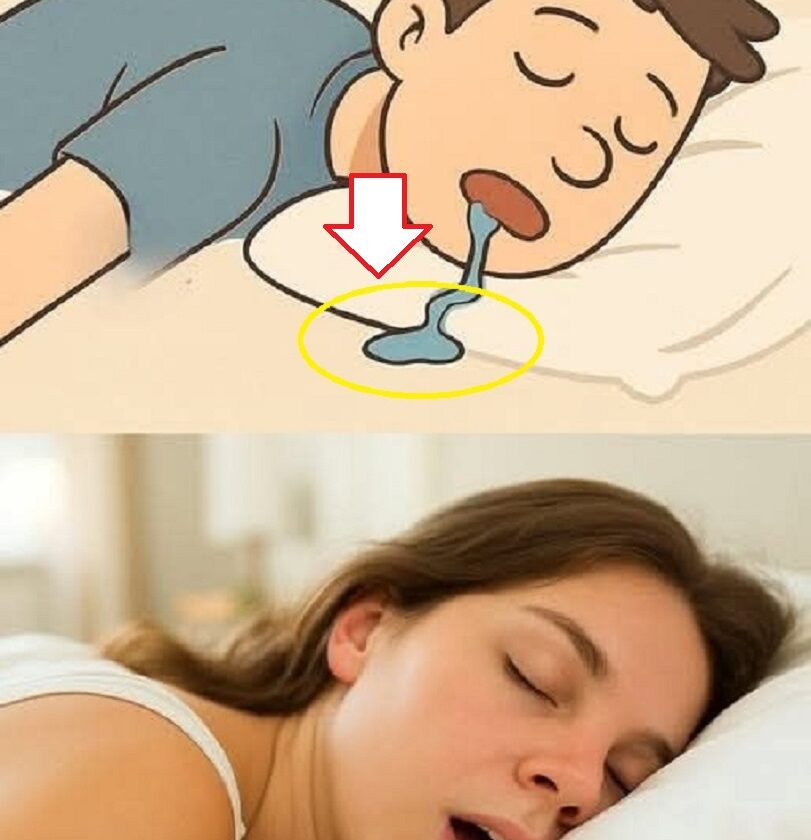
If your mouth opens slightly while you sleep—and especially if you sleep on your side or stomach—gravity can allow saliva to escape onto your pillow.
In other words:
Drooling is often just a natural side effect of deep relaxation.
Common Reasons People Drool at Night
1. Sleeping Position
Your sleeping position makes a huge difference.
Most likely to cause drooling:
- Side sleeping
- Stomach sleeping
These positions make it easier for saliva to flow out of the mouth.
Less likely:
- Sleeping on your back
Gravity helps keep saliva in the mouth and throat.
2. Nasal Congestion or Allergies
If your nose is blocked due to:
- Allergies
- A cold
- Sinus congestion
- A deviated septum
…you’re more likely to breathe through your mouth while sleeping.
Mouth breathing often increases nighttime drooling.
3. Deep Sleep
Some people naturally sleep very deeply and swallow less frequently during the night.
This allows saliva to collect and eventually escape from the mouth.
4. Acid Reflux (GERD)
Conditions like Gastroesophageal Reflux Disease can sometimes increase saliva production.
This is your body’s way of trying to protect the esophagus from stomach acid.
People with nighttime reflux may notice:
- Drooling
- Sour taste in the mouth
- Chronic throat clearing
- Heartburn
5. Sleep Apnea
Sleep Apnea is another possible contributor.
People with sleep apnea often:
- Breathe through their mouths
- Snore heavily
- Experience interrupted breathing during sleep
This combination can increase nighttime drooling.
Signs of sleep apnea may include:
- Loud snoring
- Waking up tired
- Morning headaches
- Daytime fatigue
When Drooling Might Signal Something More Serious
Most nighttime drooling is harmless.
However, sudden, severe, or worsening drooling—especially when combined with other neurological symptoms—should not be ignored.
In rare cases, excessive drooling may be associated with conditions affecting:
- Nerve function
- Muscle control
- Swallowing ability
Examples can include:
- Parkinson’s Disease
- Stroke-related complications
- Swallowing disorders
See a Doctor If You Notice:
- Sudden excessive drooling
- Difficulty swallowing
- Frequent choking
- Speech changes
- Trouble chewing food
- Facial weakness
- Persistent coughing while eating or drinking
These symptoms deserve medical evaluation, especially if they appear suddenly.
Simple Ways to Reduce Drooling While Sleeping
If nighttime drooling is bothering you, a few small changes may help.
Try Sleeping on Your Back
This position naturally reduces saliva leakage.
Elevate Your Head Slightly
Using a slightly higher pillow may improve airflow and help keep your mouth closed.
Keep Your Nose Clear
Consider:
- Saline spray
- Steam inhalation
- Treating allergies properly
Better nasal breathing often reduces drooling.
Avoid Heavy Meals Before Bed
Large meals, spicy foods, and acidic foods may worsen reflux and saliva production.
Stay Hydrated
Ironically, mild dehydration can sometimes thicken saliva and make drooling feel worse.
Is Drooling During Sleep Normal?
In most cases: yes.
Occasional drooling while sleeping is usually:
- Harmless
- Common
- Related to sleep position or congestion
- Nothing to panic about
The important thing is paying attention to changes.
If drooling suddenly becomes severe, frequent, or appears alongside swallowing or neurological problems, it’s smart to seek medical advice.
Final Thoughts
Your body does many strange things while you sleep—and drooling is often one of the most harmless.
Most of the time, it simply means your muscles relaxed deeply and gravity did the rest.
But your body also has a way of signaling when something needs attention.
That’s why persistent or unusual symptoms should never be ignored.
A wet pillow is usually no big deal.
A sudden change in swallowing, speech, or breathing deserves a closer look.