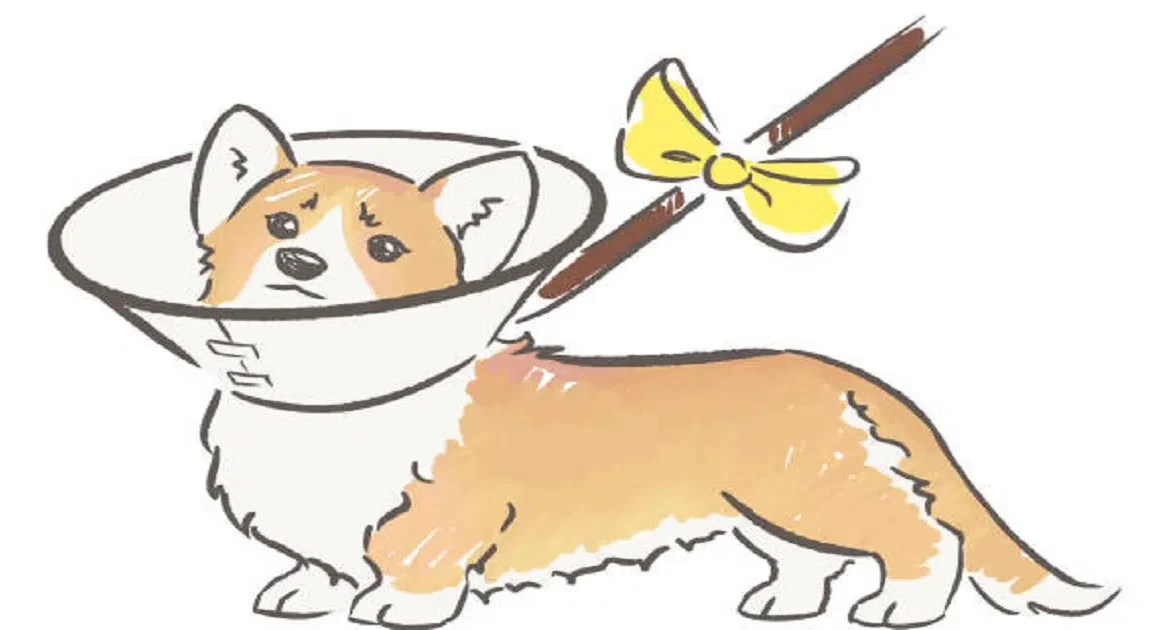
Why Some Dogs Wear a Yellow Ribbon: The Meaning Behind This Important Signal
You’re out for a relaxing walk, enjoying the fresh air, when you notice a dog wearing a bright yellow ribbon tied to its collar or harness. It might look like a decorative accessory at first glance, but that simple ribbon carries an important message.
It isn’t meant to make the dog look cute or festive. Instead, it’s part of a growing awareness campaign designed to help both dogs and people stay safe.
If you’ve ever wondered what a yellow ribbon on a dog’s collar means, here’s everything you need to know—and why recognizing this small signal can make a big difference.
What Does a Yellow Ribbon on a Dog Mean?
A yellow ribbon, yellow leash, yellow bandana, or yellow harness is commonly associated with the Yellow Dog Project, an international awareness campaign that encourages people to give certain dogs extra space.
The message is simple:
“Please give me space.”
It doesn’t necessarily mean the dog is aggressive or dangerous. Instead, it indicates that the dog may need more distance from people, other dogs, or unexpected interactions.
Rather than forcing owners to repeatedly explain their dog’s situation, the yellow ribbon serves as a polite visual reminder that not every dog is comfortable with close encounters.
What Is the Yellow Dog Project?
The Yellow Dog Project began as a grassroots movement to educate the public about dogs that need extra personal space.
Its goal is to reduce stressful or potentially unsafe situations by encouraging people to ask permission before approaching unfamiliar dogs.
The campaign reminds us that every dog has a different personality, history, and comfort level.
Some love meeting everyone they see.
Others simply don’t.
And that’s perfectly okay.
Why Would a Dog Need Extra Space?
There are many reasons why a responsible owner may choose to use a yellow ribbon.
1. The Dog Is Nervous Around Strangers
Some dogs naturally feel anxious around unfamiliar people.
Instead of forcing uncomfortable interactions, owners use the ribbon to help reduce stress while building the dog’s confidence over time.
2. The Dog Is Reactive
A reactive dog may bark, lunge, or become overwhelmed when another dog or person gets too close.
Reactivity isn’t always aggression.
Often it’s based on fear, excitement, frustration, or anxiety.
Giving these dogs additional space helps everyone stay calm.
3. The Dog Is Recovering From Surgery or Illness
Dogs recovering from injuries, surgeries, or medical treatments may be uncomfortable being touched.
Even a gentle pat from a stranger could cause pain or interfere with healing.
4. The Dog Is in Training
Training requires concentration.
Service dogs in training, obedience students, or dogs learning better social skills need fewer distractions.
Approaching them without permission can interrupt weeks or months of progress.
5. The Dog Is Elderly
Senior dogs often experience arthritis, reduced vision, hearing loss, or general discomfort.
Unexpected contact may startle them or cause pain.
6. The Dog Is a Rescue
Many rescue dogs have experienced neglect, abuse, abandonment, or other traumatic situations.
Building trust takes time.
Owners use yellow ribbons to protect that progress.
Does a Yellow Ribbon Mean the Dog Is Aggressive?
No.
This is one of the biggest misconceptions.
A yellow ribbon does not automatically mean a dog is dangerous.
Instead, it simply means:
- The dog needs extra space.
- The owner is being responsible.
- Approaching isn’t recommended without permission.
Many yellow-ribbon dogs are incredibly friendly once they become comfortable.
The ribbon is about preventing unnecessary stress—not labeling the dog.
What Should You Do If You See a Dog Wearing a Yellow Ribbon?
Always Ask Before Approaching
Even without a ribbon, it’s good manners to ask the owner before petting any dog.
With a yellow ribbon, asking becomes even more important.
Respect whatever answer the owner gives.
Keep Your Distance
If the owner asks you not to approach, simply smile and continue walking.
Don’t take it personally.
The request is about the dog’s comfort—not about you.
Approach Slowly (Only If Invited)
If permission is given, avoid rushing toward the dog.
Move calmly and allow the dog to decide whether it wants to interact.
Watch the Dog’s Body Language
Signs that a dog is uncomfortable include:
- Tail tucked
- Ears pinned back
- Lip licking
- Yawning
- Avoiding eye contact
- Backing away
- Stiff posture
If you notice these signals, step back and give the dog more room.
Teach Children to Respect the Ribbon
Children naturally love dogs, but they also need to learn that not every dog wants attention.
A yellow ribbon provides an excellent opportunity to teach:
- Always ask first.
- Never run toward unfamiliar dogs.
- Respect boundaries.
- Kindness includes giving space.
These lessons help keep both children and dogs safe.
Why This Small Ribbon Matters
Dogs communicate differently than people.
They can’t explain when they’re anxious or overwhelmed.
The yellow ribbon acts as their voice.
It allows owners to communicate quickly without repeating the same explanation to every passerby.
This simple system helps prevent:
- Stressful encounters
- Dog bites
- Fear-based reactions
- Interrupted training
- Unnecessary anxiety
A small ribbon can prevent situations that neither the owner nor the dog wants.
Can You Use a Yellow Ribbon for Your Own Dog?
Absolutely.
If your dog:
- Gets nervous around strangers
- Is recovering from surgery
- Is in training
- Is elderly
- Is reactive
- Is adjusting after adoption
then a yellow ribbon may help communicate your dog’s needs.
You don’t need expensive equipment.
Many owners simply use:
- A yellow ribbon
- A yellow bandana
- A yellow leash
- A yellow harness
- A yellow collar
Combined with responsible handling, these visual signals make walks much less stressful.
Other Helpful Dog Safety Signals
Yellow isn’t the only visual cue owners use.
You may also notice:
- Blue tattoo lines on a dog’s belly, indicating the animal has often been spayed or neutered.
- “Do Not Pet” harnesses used by working or service dogs.
- Service dog vests showing that the dog is performing important tasks.
- Paw-print mailbox stickers that alert mail carriers to dogs living on the property.
These signals all serve one purpose: improving communication and safety.
Frequently Asked Questions
Is the Yellow Dog Project recognized everywhere?
While there is no universal legal standard, the Yellow Dog Project has become widely recognized by dog owners, trainers, veterinarians, and animal welfare organizations around the world.
Should I let my dog greet a yellow-ribbon dog?
Not unless the owner clearly says it’s okay.
Even friendly dogs should respect another dog’s need for space.
Can puppies wear yellow ribbons?
Yes. Puppies in training or those that become overwhelmed by strangers can also benefit from wearing a yellow ribbon.
Does every yellow ribbon mean the same thing?
The exact reason varies from dog to dog, but the overall message remains the same:
Please give this dog extra space.
Final Thoughts
At first glance, a yellow ribbon may seem like a simple decoration. In reality, it’s a thoughtful communication tool that helps protect dogs, owners, and the public.
Whether a dog is recovering from surgery, learning new behaviors, coping with anxiety, or simply prefers more personal space, the yellow ribbon offers a respectful way to ask others to slow down and keep a safe distance.
The next time you see a dog wearing one, remember what it represents. Pause before approaching, ask the owner if interaction is appropriate, and respect their answer.
That small act of understanding can make a world of difference—not only for the dog but also for the person who loves and cares for it every day.