
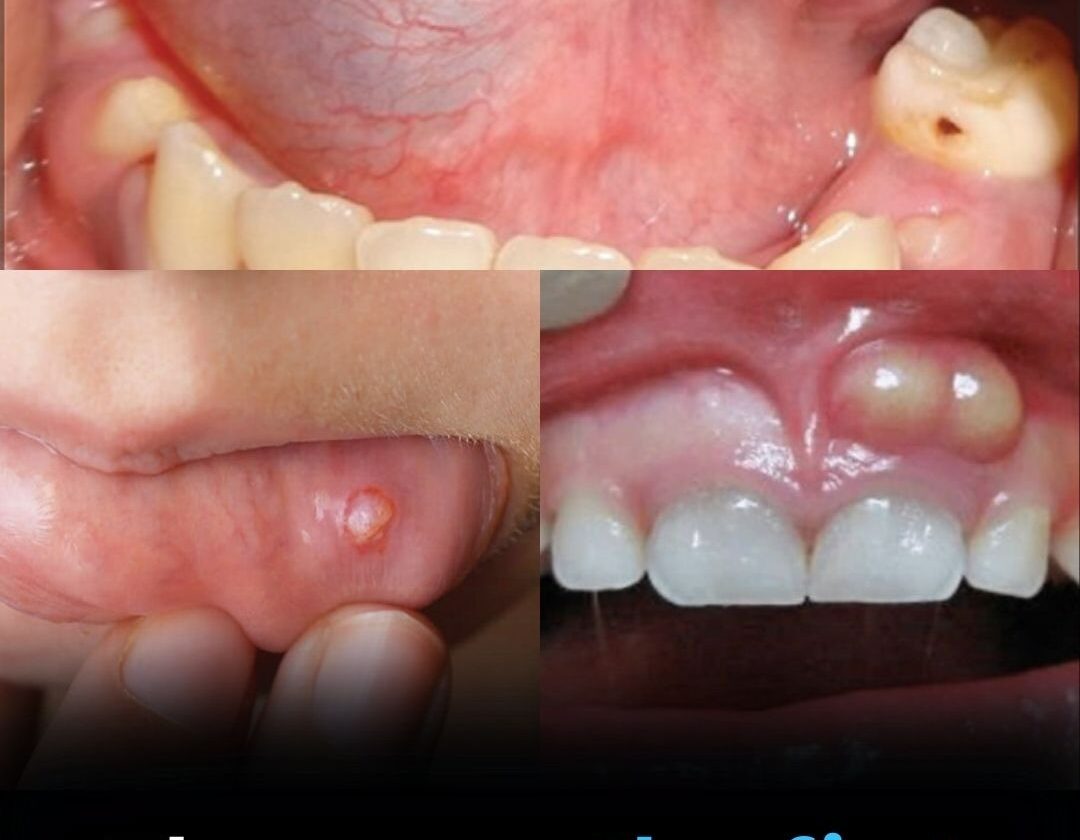
Your mouth does a lot for you—it helps you eat, speak, smile, and express yourself. But it can also be a silent messenger, sending early warning signs that something is wrong long before it becomes serious.
Oral cancer is one of those conditions where early detection changes everything. When caught early, the survival rate is high. When ignored, it can be devastating.
The challenge? Many early signs are easy to dismiss—a sore that doesn’t hurt, a white patch that seems harmless, a lump you assume will go away.
Here’s what you need to know about the hidden dangers in your mouth—and the signs that deserve your attention.
How Common Is Oral Cancer?
Oral cancer affects about 54,000 Americans each year, and sadly, many cases are diagnosed at late stages. It includes cancers of the:
Lips
Tongue
Gums
Floor of the mouth
Hard and soft palate
Throat (oropharynx)
The good news? When caught early, the 5-year survival rate is over 80%. When caught late, that number drops dramatically.
10 Early Signs of Oral Cancer You Should Never Ignore
1. A Sore That Won’t Heal
This is the most common early sign. A sore, blister, or ulcer in your mouth that doesn’t heal within two weeks deserves attention.
What to look for: A persistent sore on your lip, tongue, or anywhere in your mouth that bleeds easily and doesn’t improve.
2. White or Red Patches
Leukoplakia: White patches that can’t be scraped off. They’re often harmless, but some are precancerous.
Erythroplakia: Red patches that are flat or slightly raised. These are more concerning and require immediate evaluation.
Discover more
Ham
Health
Groceries
Mixed red and white patches are particularly suspicious.
3. A Lump or Thickening
Any new lump, bump, or thickening in your cheek, lip, tongue, or neck that persists should be checked. It might not hurt—that doesn’t mean it’s harmless.
4. Difficulty Swallowing or Chewing
If you feel like food is getting stuck, or if swallowing becomes painful or difficult, don’t assume it’s just a sore throat.
5. Persistent Sore Throat or Hoarseness
A sore throat that lingers for weeks, or a change in your voice that doesn’t improve, can be a sign of cancer in the throat or voice box.
6. Numbness in the Mouth or Lips
Unexplained numbness or loss of feeling in any part of your mouth, lips, or tongue can indicate nerve involvement.
7. Ear Pain on One Side
Persistent ear pain without hearing loss can sometimes be referred pain from a tumor in the mouth or throat.
8. A Change in How Your Teeth Fit Together
If your dentures suddenly don’t fit, or if you notice changes in your bite, it could indicate swelling or a mass in your jaw.
9. Loose Teeth with No Obvious Cause
Teeth that become loose without gum disease or injury can be a sign of underlying bone involvement.
10. Difficulty Moving Your Tongue or Jaw
If it becomes hard to move your tongue, open your mouth fully, or speak clearly, get it checked.
Risk Factors You Should Know
Major Risk Factors:
Tobacco use – Smoking, chewing tobacco, or using snuff. This is the #1 risk factor.
Heavy alcohol use – Especially when combined with tobacco, the risk multiplies.
HPV infection – Human papillomavirus (especially type 16) is linked to throat cancers.
Sun exposure – Increases risk of lip cancer.
Age – Most cases occur after 55.
Other Risk Factors:
Poor nutrition
Weakened immune system
Genetic syndromes
Betel nut or gutka use (common in some cultures)
What to Do If You Notice Something
Step 1: Don’t Panic, Do Observe
Most mouth sores and patches are harmless. But if any of these signs last more than two weeks, it’s time to act.
Step 2: See a Professional
Start with your dentist or primary care provider. They can examine the area and decide if a biopsy is needed.
Step 3: Be Specific
Tell them:
What you noticed
When it started
Whether it’s changed
Any other symptoms
Step 4: Follow Through
If they recommend a biopsy, do it. A biopsy is the only way to know for sure.
How Oral Cancer Is Diagnosed
Visual exam – Your doctor or dentist looks at the area
Brush biopsy – Cells are gently scraped and examined
Incisional biopsy – A small piece of tissue is removed for testing
Imaging – X-rays, CT scans, or MRIs to see if cancer has spread
How to Protect Yourself
1. Do Monthly Self-Exams
Once a month, in good light:
Look at your lips, gums, cheeks, tongue, roof and floor of your mouth
Feel for lumps or thickening
Note any sores that aren’t healing
2. See Your Dentist Regularly
Dentists are often the first line of defense. They’re trained to spot abnormalities you might miss.
3. Don’t Use Tobacco
If you smoke or chew, quitting is the single best thing you can do.
4. Limit Alcohol
Heavy drinking increases risk, especially when combined with tobacco.
5. Consider HPV Vaccination
The HPV vaccine protects against the strains linked to throat cancer. It’s not just for kids—adults up to 45 can benefit.
6. Protect Your Lips
Use lip balm with SPF and avoid excessive sun exposure.
The Bottom Line
Oral cancer doesn’t always hurt. It doesn’t always look scary. Sometimes it’s just a white patch you barely notice, or a sore you assume will heal.
But your body is speaking. Are you listening?
Most of the time, these signs will be nothing—a canker sore, an irritated spot, a benign patch. But that “nothing” is worth the peace of mind.
If something in your mouth lingers for more than two weeks, get it checked. Early detection saves lives. It’s that simple.
Your mouth matters. Take care of it.