Engaging Introduction
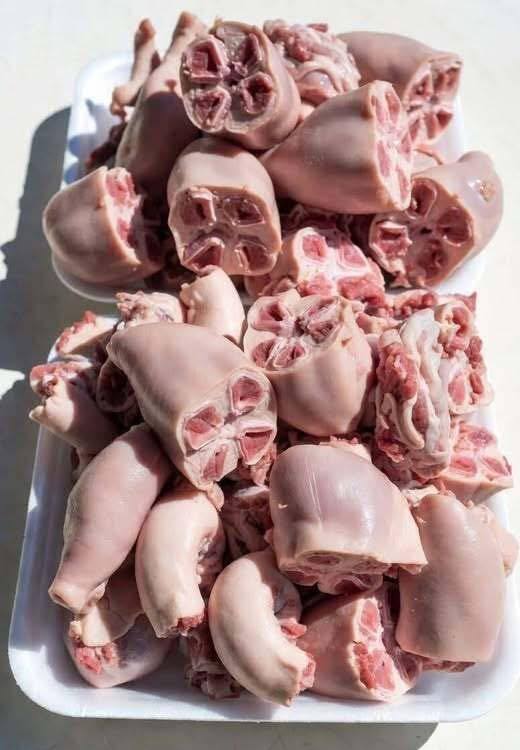
Scrolling through social media, it is easy to come across alarming claims about the food industry. One viral post warns that supermarkets are secretly mixing low-grade imported meat into premium packages. Another claims customers are being “tricked” into buying meat that is not what the label says it is.
For many shoppers already worried about rising grocery prices, food safety, and supply-chain transparency, these stories can feel deeply unsettling. After all, people want to trust that the meat they buy for their families is accurately labeled, safely handled, and worth the price they pay.
But how much of these viral claims is actually supported by evidence? And how can consumers separate real food safety concerns from sensational internet rumors designed to spark outrage and clicks?
This article takes a balanced, fact-based look at supermarket meat quality concerns, food labeling regulations, and what shoppers should realistically know before assuming widespread fraud.
Why This Topic Gets So Much Attention
- Rising grocery prices make consumers more sensitive to food quality
- Social media amplifies fear-based and sensational headlines quickly
- People care deeply about food safety and transparency
- Past food industry scandals make consumers more skeptical
- Meat labeling and sourcing can genuinely be complicated
Are Supermarkets Secretly Selling “Fake” Meat?
The viral claim suggests supermarkets are intentionally misleading customers by:
- Mixing lower-grade meat into premium packages
- Mislabeling imported products
- Hiding lower-quality meat behind branding or packaging
The problem is that these posts rarely provide:
- Verified investigations
- Named companies
- Regulatory findings
- Recall notices
- Confirmed inspection reports
Without evidence from official sources, these stories should be viewed cautiously rather than accepted as proven fact.
How the Real Meat Supply Chain Works
Modern food supply chains are extremely large and complex.
Most supermarkets do not directly raise or process the meat they sell. Instead, products typically move through multiple stages:
- Farms or ranches
- Meat processors
- Distributors
- Packaging facilities
- Retail grocery chains
Because of this complexity, occasional problems can happen in the food industry, including:
- Mislabeling
- Processing errors
- Contamination issues
- Supplier fraud
- Incorrect origin labeling
However, when verified violations occur, they are usually investigated by government agencies.
In the United States, oversight commonly involves:
- U.S. Department of Agriculture
- Food and Drug Administration
These agencies handle inspections, recalls, enforcement actions, and food safety investigations.
Have Meat Mislabeling Cases Happened Before?
Yes—but isolated cases are very different from claims of widespread secret deception.
Historically, some verified food industry scandals have involved:
- Incorrect country-of-origin labeling
- Species substitution
- False organic claims
- Fraudulent grading or certification
One famous example was the 2013 European horse meat scandal, where horse meat was discovered in products labeled as beef in several countries.
However, those cases became public because:
- Investigations occurred
- Evidence was documented
- Regulators intervened
- Companies were identified
That is very different from vague viral claims that provide no verifiable proof.
Why Meat Sometimes Looks or Tastes Different
Many consumers assume unusual texture, smell, or color automatically means fraud or fake meat.
But normal variations can occur because of:
- Storage conditions
- Packaging methods
- Freezing and thawing
- Fat content differences
- Animal diet
- Aging processes
- Processing techniques
For example:
- Vacuum-sealed meat can temporarily smell unusual after opening
- Color changes can occur from oxygen exposure
- Leaner meat may feel firmer or drier
- Imported meat may have different texture characteristics
These differences alone do not confirm mislabeling or substitution.
Is Imported Meat Necessarily Lower Quality?
Not automatically.
Many countries export high-quality meat products under strict safety standards.
However, consumer concerns often arise because:
- Labeling rules vary by country
- Some shoppers prefer domestic sourcing
- Transparency about origin matters to buyers
In the United States, meat labeling laws require certain products to identify origin or processing information, though regulations can be complicated depending on how products are processed or packaged.
Why Viral Food Scares Spread So Quickly
Fear-based food stories perform extremely well online.
Posts that suggest:
- Hidden danger
- Corporate deception
- “What they aren’t telling you” narratives
often receive massive engagement because they trigger strong emotional reactions.
Unfortunately, this can lead to:
- Panic without evidence
- Distrust in all food systems
- Confusion about legitimate safety risks
This does not mean all concerns are false—but it does mean consumers should look for verified information before assuming the worst.
How to Evaluate Food Safety Claims Online
Before sharing or believing alarming food-related stories, ask:
Does the article cite official sources?
Look for references to:
- Government agencies
- Inspection reports
- Recall announcements
- Verified investigations
Are specific companies named?
Vague accusations without details are harder to verify.
Is there evidence or just emotional language?
Sensational wording often aims to provoke fear rather than inform.
Are multiple credible sources reporting the same issue?
Legitimate food safety concerns are usually covered widely by reliable outlets.
Practical Tips for Buying Quality Meat
Consumers who want more confidence in their purchases can:
- Buy from trusted retailers
- Check packaging dates carefully
- Store meat properly
- Watch for recall notices
- Learn basic food safety guidelines
- Ask questions about sourcing when possible
Some shoppers also prefer:
- Local butchers
- Farm-direct meat programs
- Certified organic or grass-fed products
though these options are often more expensive.
Frequently Asked Questions
Are supermarkets legally allowed to mislabel meat?
No. Food labeling regulations prohibit fraudulent labeling, and violations can lead to recalls, fines, or legal action.
Does imported meat mean lower quality?
Not necessarily. Many imported products meet strict inspection and safety standards.
Why does meat sometimes smell strange?
Packaging, oxygen exposure, storage conditions, and aging methods can all affect smell temporarily.
How can I check for meat recalls?
Consumers can monitor official announcements from food safety agencies and grocery chains.
Are viral claims about “fake meat” usually true?
Some food fraud cases do occur, but many viral social media claims exaggerate or oversimplify situations without verified evidence.
You May Also Like
- What Meat Color Changes Really Mean
- How Grocery Store Food Labeling Works
- Common Food Safety Myths Explained
- Why Some Ground Beef Turns Gray
- Understanding Expiration Dates on Meat Products
- The Truth About Food Supply Chains and Grocery Pricing
Final Thoughts
Food transparency matters, and consumers have every right to ask questions about the products they buy.
But there is an important difference between verified food safety investigations and viral fear-based claims designed to spark outrage.
While food industry problems can happen—and occasionally do—broad accusations without evidence should be approached carefully. Most concerns about meat quality are investigated through regulatory systems, inspections, recalls, and documented enforcement actions rather than hidden conspiracies operating unnoticed.
In an age of viral headlines and social media panic, the most valuable tool consumers have is not fear.
It is informed skepticism backed by reliable evidence.