Which Side of the Fence Should Face Your Neighbor? (Homeowner Rules Explained)
Engaging Introduction
When planning a new fence, most homeowners focus on the obvious: privacy, safety, and clearly marking property lines. It’s a smart investment—one that can boost security, protect pets, and even increase property value. But there’s one detail many people overlook, and it can make a bigger difference than you think.
It’s not about height or material—it’s about direction.
The way your fence faces can impact your relationship with neighbors, your compliance with local regulations, and even your home’s curb appeal. And yes, there’s a widely accepted rule that many homeowners don’t discover until it’s too late.
Why You’ll Want to Get This Right
- ✔️ Avoid costly fines or rebuilding
- ✔️ Improve neighbor relationships
- ✔️ Boost curb appeal and home value
- ✔️ Stay compliant with local regulations
- ✔️ Create a clean, polished property look
The Golden Rule: Which Side Faces Out?
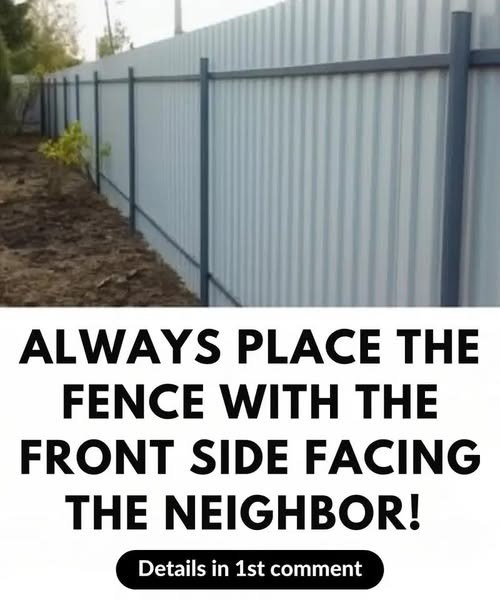
The finished (smooth, attractive) side of the fence should face outward toward your neighbor and the street.
The structural side—with visible posts and rails—should face inward toward your property.
This isn’t just a design choice—it’s a standard followed in many communities.
Why This Rule Matters
1. Promotes Neighborly Goodwill
A fence divides space—but it shouldn’t divide relationships.
Facing the finished side outward shows respect and consideration. It signals that you care about how your property affects others.
On the flip side, exposing the unfinished side can feel inconsiderate and may create unnecessary tension.
2. Helps You Stay Within Local Laws
Many cities and homeowner associations have rules requiring the finished side to face outward.
Ignoring this can lead to:
- Fines
- Complaints
- Orders to rebuild or modify the fence
Checking regulations beforehand can save you time, money, and stress.
3. Boosts Curb Appeal and Property Value
If your fence is visible from the street, it becomes part of your home’s first impression.
- Finished side outward = clean, attractive look
- Structural side outward = unfinished, less appealing
A well-oriented fence can enhance your home’s value and make it more appealing to buyers.
Is This Just About Looks?
Not at all.
This small decision plays a role in:
- Community harmony
- Property value
- Legal compliance
- Long-term maintenance satisfaction
It’s one of those rare cases where aesthetic choices and practical benefits align perfectly.
Tips for Best Results
- Check local building codes first
- Talk to your neighbor before building
- Keep fence lines accurate and documented
- Choose durable, weather-resistant materials
- Maintain your fence regularly (paint, stain, repair)
Variations & Smart Options
- Good neighbor fences:
Look identical on both sides—no “wrong” direction - Shadowbox fences:
Semi-private and visually balanced on both sides - Decorative panels:
Add style while keeping both sides attractive
These options may cost more upfront but can prevent future disputes.
FAQ Section
1. Is it required by law to face the finished side outward?
In many areas, yes. Always check your local regulations.
2. What happens if I install it the wrong way?
You may be required to fix or rebuild it—and possibly pay fines.
3. Can my neighbor complain about my fence direction?
Yes, especially if it violates local codes or affects property appearance.
4. What is a “good neighbor” fence?
A fence designed to look the same on both sides.
5. Does fence direction affect property value?
Yes—curb appeal plays a role in how your home is perceived.
You May Also Like
- Backyard Privacy Ideas on a Budget
- Easy Home Improvement Projects
- Outdoor Landscaping Tips
- How to Boost Home Value Quickly
- DIY Projects for Beginners
- Smart Home Upgrades That Pay Off
Final Thoughts
A fence might seem like a simple structure—but the way you build it says a lot.
Facing the finished side outward isn’t just about following a rule. It’s about respect, responsibility, and creating a space that feels good for everyone around you.
Because at the end of the day, a great home isn’t just about what’s inside your property line—it’s about how you live alongside others.