The Hidden Risks Behind “Healthy” Snacks: What the Mexico City Incident Really Revealed
What looks like a harmless snack can sometimes lead to an unexpected medical emergency.
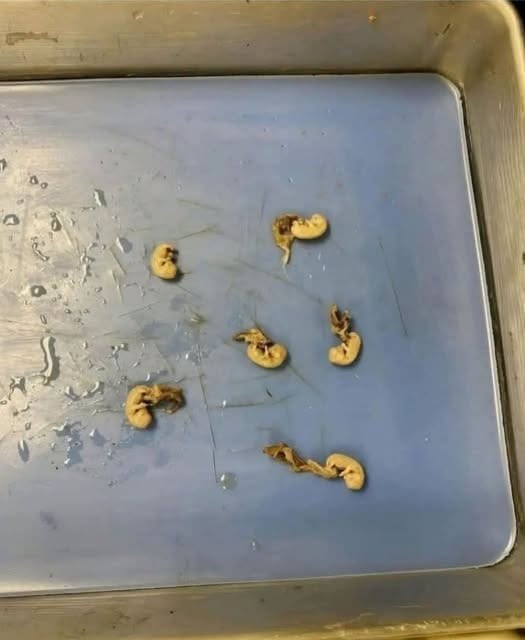
Recently, reports from Mexico City drew widespread attention after a young man was hospitalized with severe abdominal pain. As details spread online, speculation quickly followed. Social media filled with dramatic theories, shocking headlines, and alarming claims about mysterious seeds and dangerous foods.
But according to medical experts, the real lesson from incidents like this is far less sensational—and far more important.
The Danger Isn’t Always What Goes Viral
When unusual medical cases make headlines, public attention often focuses on the most dramatic details.
In reality, healthcare professionals frequently point to a more common issue: food purchased from unknown, unregulated, or unreliable sources.
Seeds, snack mixes, dried fruits, and other packaged treats may appear healthy and harmless, but problems can arise when products bypass proper safety controls or quality standards.
Potential concerns can include:
- Contamination from bacteria or mold
- Exposure to pesticides or chemical residues
- Undeclared allergens
- Excessive additives or preservatives
- Improper storage or packaging conditions
While severe reactions remain uncommon, these risks become more significant for children, older adults, pregnant women, and individuals living with chronic health conditions.
Why Food Safety Matters More Than Ever
Modern consumers have access to an enormous variety of foods from markets, online sellers, and imported suppliers.
Most products are perfectly safe.
However, products sold without clear labeling, proper packaging, or reliable sourcing may not undergo the same quality checks required for regulated food items.
The issue is rarely a single “dangerous ingredient.”
More often, it involves gaps in oversight, storage, transportation, or manufacturing practices.
Simple Habits That Reduce Risk
Protecting yourself does not require fear or avoiding unfamiliar foods.
Instead, experts recommend a few practical precautions:
- Purchase food from reputable retailers and trusted brands.
- Check labels carefully for ingredients and allergen information.
- Avoid products with damaged or unsealed packaging.
- Pay attention to unusual odors, discoloration, or texture changes.
- Be cautious with unpackaged foods or products sold without ingredient information.
- Be skeptical of products that are significantly cheaper than comparable alternatives.
These simple habits can dramatically reduce the likelihood of encountering unsafe or contaminated food products.
The Role of Social Media in Health Scares
Viral stories often spread faster than verified information.
Images, videos, and dramatic headlines can create the impression that a rare event represents a widespread danger. In many cases, important context is missing during the first wave of online discussion.
This can lead to unnecessary panic or misinformation.
Health professionals encourage people to rely on official medical guidance and trusted public health sources rather than rumors circulating online.
The Bigger Lesson
The Mexico City case serves as an important reminder that food safety is not just about avoiding a single ingredient or product.
It is about understanding where food comes from, how it was handled, and whether it meets basic safety standards.
Viral scares come and go.
The everyday risks associated with poorly regulated, improperly stored, or unlabeled food products deserve far more attention than sensational headlines ever will.
In the end, caution, awareness, and informed choices remain the best tools for protecting your health and the health of those around you.