Eggs are one of the most popular breakfast foods in the United States—and for good reason. They’re affordable, packed with protein, and incredibly quick to cook. Whether you’re trying to build a high-protein meal, follow a healthy eating plan, or simply prepare a quick breakfast before work, eggs are one of the easiest choices.
But a common question people ask is: Are boiled eggs healthier than fried eggs? If you’re focused on weight loss, meal prep, or balanced nutrition, the way you cook your eggs can make a difference.
In this guide, we’ll compare boiled eggs vs. fried eggs, including calories, nutrition, and health benefits. By the end, you’ll know which option is best for your healthy breakfast routine, quick dinner ideas, or high-protein meal prep plan.
Why You’ll Love This Easy Breakfast Option
- High-protein meal that keeps you full for hours
- Perfect for healthy breakfast or quick dinner ideas
- Great for meal prep and busy mornings
- Budget-friendly and easy to cook
- Packed with essential nutrients like vitamin B12, vitamin D, and healthy fats
Nutritional Comparison: Boiled vs. Fried Eggs
One large egg contains nearly the same nutrients no matter how you cook it. The main difference comes from added oil or butter when frying.
| Nutrient | Boiled Egg | Fried Egg (in 1 tsp oil/butter) |
|---|---|---|
| Calories | ~78 | ~110–120 |
| Protein | 6.3 g | 6.3 g |
| Fat | 5.3 g | 8–10 g |
| Saturated Fat | 1.6 g | 2–3 g |
| Cholesterol | 186 mg | 186 mg |
| Vitamin D | 44 IU | 44 IU |
| Vitamin B12 | 0.6 mcg | 0.6 mcg |
Bottom line:
The egg itself stays the same. The calorie difference comes from the extra cooking fat used for frying.
Health Benefits of Boiled Eggs
1. No Added Fat
Boiled eggs require no oil, butter, or cooking spray, making them a great choice for low-calorie healthy recipes and weight loss plans.
2. Perfect Portion Control
Eggs come in their own natural portion size. This makes them ideal for healthy meal prep and calorie tracking.
3. Nutrient Retention
Gentle boiling helps preserve heat-sensitive nutrients, especially B vitamins.
4. Portable Meal Prep Option
Boiled eggs are one of the best grab-and-go breakfast foods. You can cook a batch ahead of time and store them for several days.
5. Naturally Low in Calories
With about 78 calories per egg, boiled eggs fit perfectly into healthy diets, high-protein meal plans, and weight-loss programs.
Health Benefits of Fried Eggs
1. Higher Fat Can Increase Fullness
The added fat from cooking oil or butter may help you feel full longer, which can reduce snacking later in the day.
2. Richer Flavor
For many people, fried eggs are simply more delicious. The crispy edges and runny yolk create a satisfying breakfast.
3. Better Nutrient Absorption
Certain nutrients like lutein and zeaxanthin are fat-soluble, meaning they may be absorbed better when eggs are cooked with healthy fats.
4. More Versatile Meals
Fried eggs can be added to:
- Whole-grain toast
- Avocado breakfast bowls
- Vegetable skillets
- Healthy breakfast sandwiches
The Verdict: Which Egg Is Better?
For weight loss or calorie control:
Boiled eggs are usually the better choice since they contain no added fat and fewer calories.
For flavor and satiety:
Fried eggs can be a great option, especially when cooked with healthy oils like olive oil or avocado oil.
The compromise:
Poached eggs provide the runny yolk texture of fried eggs without added fat, making them a popular healthy alternative.
Is This Recipe Healthy?
Yes—eggs are considered one of the most nutrient-dense foods available. They provide high-quality protein, essential vitamins, and healthy fats that support overall wellness.
Eggs are especially beneficial for:
- Weight loss diets
- High-protein meal plans
- Healthy breakfast routines
- Muscle building and recovery
- Balanced meal prep
Research suggests that eating one egg per day is safe for most healthy people and may even support heart health when part of a balanced diet.
Pairing eggs with fiber-rich foods like vegetables, oats, or whole-grain toast makes them even healthier.
Calories & Nutrition
Here is the approximate nutrition for one large egg:
Boiled Egg
- Calories: ~78
- Protein: 6.3 g
- Carbohydrates: <1 g
- Fat: 5.3 g
Fried Egg
- Calories: ~110–120
- Protein: 6.3 g
- Carbohydrates: <1 g
- Fat: 8–10 g
Eggs are naturally rich in:
- Vitamin B12
- Vitamin D
- Selenium
- Choline (important for brain health)
- Antioxidants like lutein and zeaxanthin
These nutrients support brain function, metabolism, eye health, and muscle repair.
Tips for Best Results
Want to make the most delicious eggs every time? Try these simple tips.
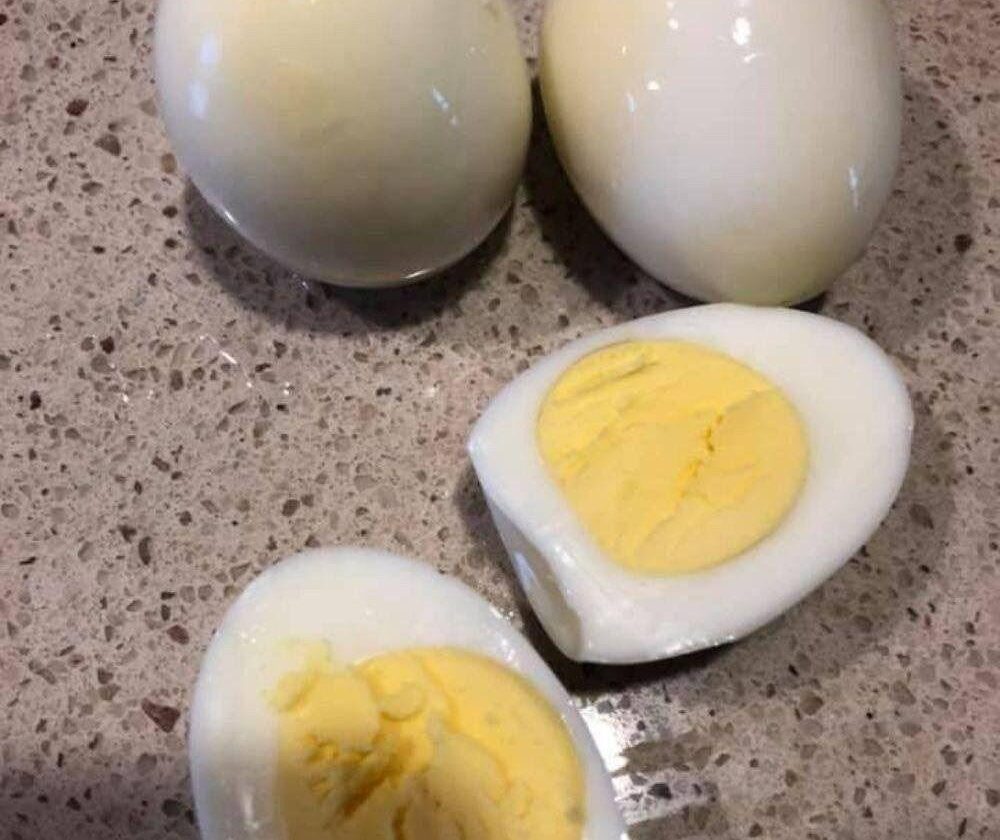
For perfect boiled eggs
- Start eggs in cold water before heating
- Simmer gently to avoid rubbery whites
- Cool immediately in ice water for easy peeling
- Store peeled eggs in the fridge for quick snacks
For healthier fried eggs
- Use a non-stick skillet
- Limit oil to about one teaspoon
- Choose olive oil or avocado oil
- Cook on medium heat to prevent burning
These small changes can turn eggs into a healthy, quick dinner or breakfast option.
Variations & Substitutions
Eggs are incredibly versatile. Here are a few popular ways to enjoy them.
High-Protein Breakfast Bowl
Add eggs to a bowl with:
- Avocado
- Roasted vegetables
- Quinoa or brown rice
Healthy Egg Toast
Top whole-grain toast with:
- Fried or boiled eggs
- Sliced tomato
- Avocado
Vegetable Egg Skillet
Cook eggs with:
- Spinach
- Mushrooms
- Bell peppers
- Onions
This turns simple eggs into a balanced healthy meal.
The Best Breakfast: What to Eat WITH Your Eggs
The healthiest breakfast includes protein, fiber, and healthy fats.
| Breakfast | Rating | Why |
|---|---|---|
| 2 boiled eggs + oatmeal with berries | ⭐⭐⭐⭐⭐ | Fiber, protein, antioxidants |
| 2 fried eggs + whole-grain toast + avocado | ⭐⭐⭐⭐⭐ | Healthy fats and fiber |
| 2 boiled eggs + fruit | ⭐⭐⭐⭐ | Simple and balanced |
| 2 fried eggs + bacon + white toast | ⭐⭐ | Higher saturated fat |
Adding whole grains, fruits, or vegetables makes your breakfast more balanced and satisfying.
FAQ About Eggs for Breakfast
Can I make eggs ahead for meal prep?
Yes. Boiled eggs are excellent for meal prep and can be stored in the refrigerator for up to one week.
Are eggs healthy for weight loss?
Yes. Eggs are high in protein and low in carbohydrates, which can help control appetite and support weight management.
What is the best way to store cooked eggs?
Store boiled eggs in the refrigerator in an airtight container. Fried eggs are best eaten fresh.
Can eggs be frozen?
Whole eggs can be frozen only if they are beaten first. Cooked eggs generally don’t freeze well because the texture changes.
Are eggs safe to eat every day?
For most healthy people, one egg per day is considered safe and part of a balanced diet.
You May Also Like
If you enjoy simple healthy breakfast ideas, you might also love:
- Easy High-Protein Breakfast Bowl
- Healthy Avocado Toast with Eggs
- Quick Spinach Egg Scramble
- Easy Meal Prep Egg Muffins
- High-Protein Cottage Cheese Breakfast Bowl
- Healthy Breakfast Oatmeal with Berries
Final Thoughts
Both boiled eggs and fried eggs can be part of a healthy diet. The best choice depends on your goals.
Choose boiled eggs if you want fewer calories and a convenient meal prep breakfast.
Choose fried eggs if you prefer richer flavor and a more satisfying meal.
Either way, eggs remain one of the best high-protein foods for breakfast, quick dinners, and healthy eating.
The most important thing?
Enjoy your eggs—they’re one of the simplest and most nutritious foods you can eat.