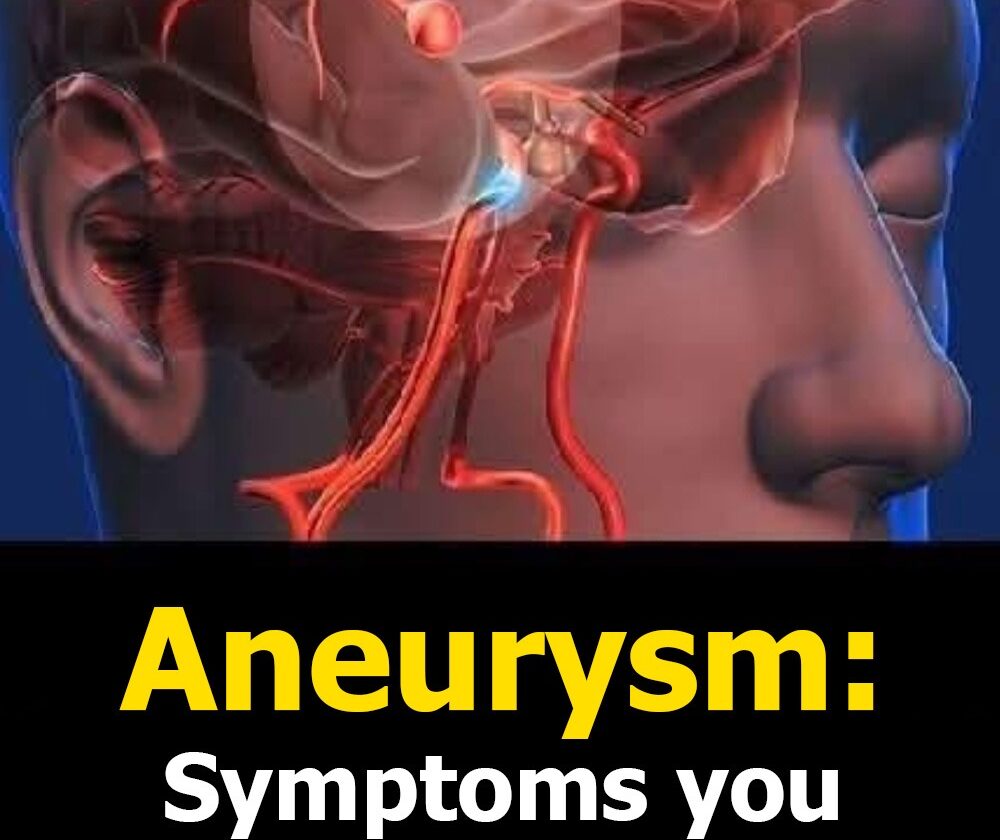
🧠 Why So Many People Get Aneurysms Wrong
You’ve probably heard the claims:
- “Only older people get aneurysms.”
- “You’ll feel it before it happens.”
- “There’s nothing you can do.”
These ideas spread easily—but they’re often misleading or incomplete.
When it comes to something as serious as a brain aneurysm, misunderstanding the facts can delay action or create unnecessary fear. Let’s replace confusion with clear, science-based truth.
🔬 What Is a Brain Aneurysm?
A brain aneurysm is a weak, bulging area in a blood vessel in the brain.
Think of it like a thin spot on a balloon:
- It may stay stable for years
- It may never cause symptoms
- But if it ruptures, it can lead to a dangerous type of stroke
The key point: most aneurysms don’t rupture—and many are manageable when detected early.
❌ Myth vs ✅ Fact: Setting the Record Straight
❌ Myth #1: “Aneurysms Only Affect Older Adults”
✅ Fact: They’re more common after 40, but can occur at any age.
Genetics, trauma, and certain medical conditions can increase risk—even in younger people.
❌ Myth #2: “You’ll Feel It Before It Ruptures”
✅ Fact: Most aneurysms are completely silent.
There’s usually no warning pain. When rupture happens, it’s sudden and severe.
❌ Myth #3: “If You Have One, It Will Rupture”
✅ Fact: Most aneurysms never rupture.
Risk depends on:
- Size
- Location
- Shape
- Lifestyle factors (like smoking or blood pressure)
Small aneurysms often carry very low annual risk.
❌ Myth #4: “Headaches Mean Aneurysm”
✅ Fact: Almost all headaches are unrelated.
However, a rupture causes a very specific symptom:
- Sudden, intense “worst headache of your life”
That’s a medical emergency.
❌ Myth #5: “Nothing Can Prevent It”
✅ Fact: You can reduce your risk.
Healthy lifestyle choices significantly support blood vessel health.
❌ Myth #6: “Aneurysms Are Always Fatal”
✅ Fact: Survival rates have improved significantly.
With modern treatments like:
- Surgical clipping
- Endovascular coiling
Many people recover and live normal lives.
❌ Myth #7: “Only High Blood Pressure Causes Them”
✅ Fact: It’s just one factor.
Other contributors include:
- Smoking
- Genetics
- Age and sex
- Inflammation and vessel structure
⚠️ When to Seek Immediate Help
Call emergency services right away if you experience:
- Sudden, severe headache (“thunderclap”)
- Nausea or vomiting
- Stiff neck
- Vision problems
- Confusion or loss of consciousness
These may indicate a ruptured aneurysm, which requires urgent care.
💡 What You Can Control: Protecting Your Brain Health
You don’t need to live in fear—but you can take smart steps:
✔️ Manage Blood Pressure
Keep it in a healthy range (around 120/80 mmHg)
✔️ Avoid Smoking
Smoking dramatically increases aneurysm risk
✔️ Stay Active
Regular movement supports circulation and vessel strength
✔️ Eat Smart
Focus on:
- Whole foods
- Fruits and vegetables
- Lower sodium intake
✔️ Know Your Family History
If multiple relatives had aneurysms, talk to a doctor about screening
❓ Frequently Asked Questions
Can stress cause an aneurysm?
Not directly—but it can raise blood pressure, which increases risk.
Are aneurysms genetic?
They can be. Family history matters.
Can you live normally with one?
Yes—many people do, especially with monitoring.
Is it the same as a stroke?
No—but a ruptured aneurysm can cause a hemorrhagic stroke.
🧾 The Bottom Line
Brain aneurysms are often misunderstood—but the truth is more balanced than the fear:
- Most aneurysms never rupture
- Many are manageable or treatable
- Lifestyle choices do make a difference
The most important takeaway?
👉 Awareness beats anxiety.
👉 Early action saves lives.
💙 Final Thought
Understanding your health isn’t about panic—it’s about power.
Listen to your body. Stay informed. And don’t ignore serious symptoms when they appear.
Because sometimes, the most important thing you can do…
is simply know what’s real—and act on it.