The Secret to Perfect Creamy Scrambled Eggs (Every Single Time)
Forget dry, rubbery scrambled eggs that need ketchup just to be edible. Truly creamy scrambled eggs are soft, silky, buttery, and rich—more like delicate custard than the firm breakfast eggs most people grew up eating.
And the best part? You don’t need cream, fancy equipment, or chef-level skills.
You just need low heat, patience, and one simple trick: take the eggs off the stove before they look done.
Once you try them this way, it’s hard to go back.
The First Time I Tried Real Creamy Scrambled Eggs
I still remember sitting in a tiny café in Paris, exhausted from jet lag and expecting an ordinary breakfast.
Then the eggs arrived.
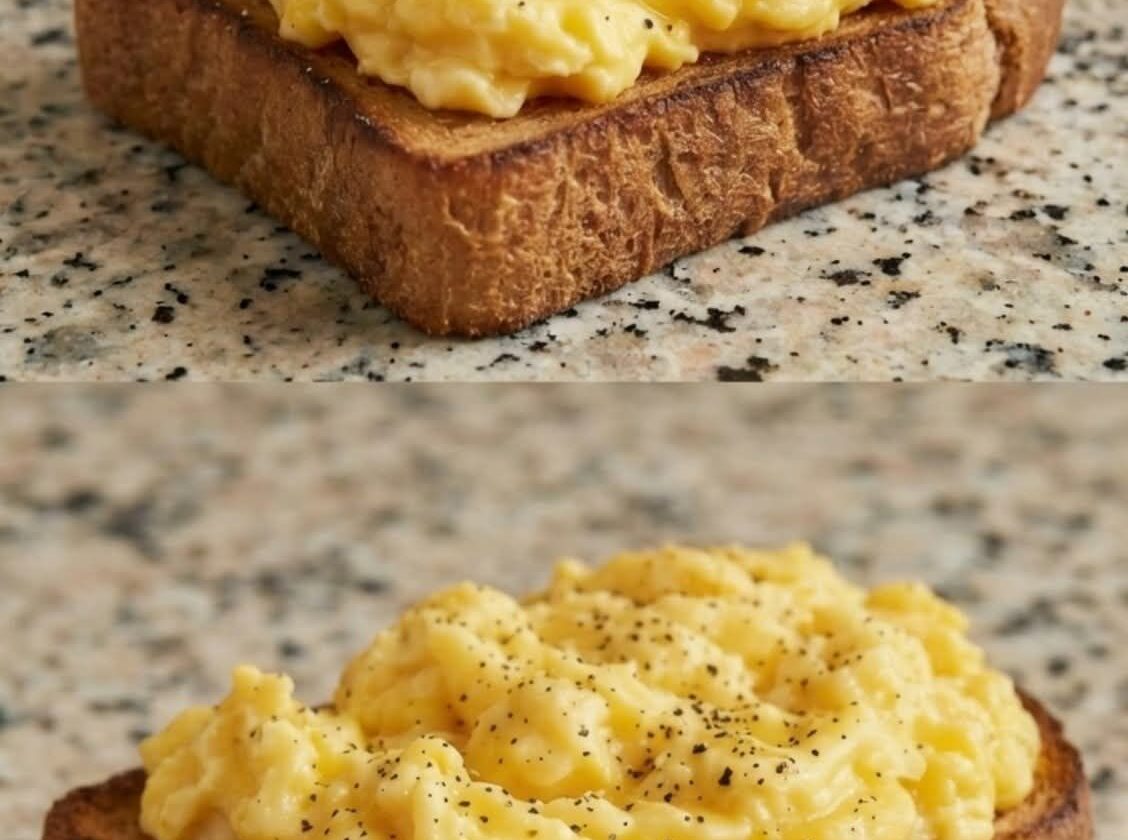
No towering garnish. No elaborate presentation. Just a pale-yellow mound of soft eggs on a warm plate.
They looked almost undercooked.
I took one bite and froze.
They were impossibly soft. Velvety. Rich. Delicate. The kind of texture that melts instantly on your tongue.
Not fluffy diner eggs. Not dry breakfast buffet eggs.
These tasted luxurious.
When I asked the chef for the secret, he simply shrugged.
“Low heat. Patience. Remove them early.”
That was it.
No milk.
No cream.
No magic ingredient.
Just technique.
And honestly? That tiny change transforms everything.
Why Creamy Scrambled Eggs Taste So Different
The secret comes down to how egg proteins cook.
When eggs hit high heat, the proteins tighten quickly and aggressively. That forces moisture out, creating firm, rubbery curds.
Low heat changes the entire process.
Instead of tightening rapidly, the proteins bond slowly and gently, trapping moisture inside the eggs. The result is soft, tender curds with a silky texture.
Butter also plays an important role:
- It coats the proteins
- Slows down cooking
- Adds richness
- Prevents the eggs from becoming tough
And perhaps the biggest secret of all:
Eggs continue cooking after leaving the pan.
That means if they look fully done while still on the stove, they’ll be overcooked by the time they reach the plate.
Perfect scrambled eggs should still look glossy and slightly loose when you remove them from the heat.
Ingredients
Simple ingredients matter here because there’s nowhere to hide.
You’ll Need:
- 4 large eggs
- 2 tablespoons unsalted butter, cold and cubed
- ¼ teaspoon kosher salt or flaky sea salt
- Freshly ground black pepper (optional)
- Chopped chives or parsley for garnish (optional)
Why Room Temperature Eggs Matter
Cold eggs don’t cook evenly.
When refrigerator-cold eggs hit a warm pan, they seize up and cook too fast on the outside before the inside has time to soften.
For the best texture:
- Remove eggs from the fridge 15–30 minutes before cooking
It makes a noticeable difference.
Step-by-Step: How to Make Creamy Scrambled Eggs
Step 1: Whisk the Eggs
Crack the eggs into a bowl and add the salt.
Whisk gently until:
- Yolks and whites are fully combined
- Color is uniform
- No streaks remain
You’re not trying to create foam—just smooth consistency.
About 30 seconds is perfect.
Step 2: Prepare the Butter
Cut the cold butter into small cubes.
You’ll use:
- Half at the beginning
- Half during cooking
The cold butter helps regulate heat and keeps the eggs creamy.
Step 3: Heat the Pan Slowly
Place a nonstick skillet over low heat.
Not medium-low.
Not medium.
Low.
Add half the butter and let it melt gently.
If the butter sizzles aggressively or browns, the pan is too hot.
Step 4: Add the Eggs
Pour the eggs into the pan.
Now comes the difficult part:
Do nothing for about 20–30 seconds.
Let the edges barely begin to set while the center remains liquid.
Step 5: Stir Gently and Constantly
Using a silicone or rubber spatula:
- Slowly push eggs from the edges toward the center
- Scrape along the bottom of the pan
- Tilt the pan so liquid egg flows outward
Think of it as folding and guiding the eggs—not aggressively scrambling them.
Gentle movement creates larger, softer curds.
Step 6: Add the Remaining Butter
Once the eggs begin forming soft curds, add the remaining butter cubes.
As they melt:
- The butter enriches the eggs
- The cold temperature slightly slows cooking
- The texture becomes extra silky
Step 7: Watch for the “Glossy” Stage
This is the moment that separates creamy eggs from overcooked eggs.
The eggs should:
- Look soft
- Still appear slightly wet
- Shine lightly
- Move gently when stirred
If they look fully set in the pan, you’ve gone too far.
Step 8: Remove from Heat Immediately
Take the pan off the stove while the eggs still seem slightly underdone.
Residual heat will finish cooking them perfectly.
This final carryover cooking is what creates that luxurious texture.
The Biggest Mistakes People Make
1. Cooking Over High Heat
Fast heat creates tough proteins and dry curds.
Low and slow wins every time.
2. Overcooking the Eggs
Most people wait too long.
Remember:
Soft in the pan = perfect on the plate.
3. Adding Milk
Milk actually dilutes flavor and adds excess moisture.
Creaminess comes from:
- Butter
- Gentle cooking
- Proper timing
Not dairy.
4. Stirring Too Aggressively
Violent stirring breaks curds into tiny dry bits.
Gentle folding keeps them soft and luxurious.
5. Walking Away
Creamy scrambled eggs need attention.
The entire process only takes a few minutes—but those minutes matter.
French-Style vs. American-Style Scrambled Eggs
French-Style
- Very low heat
- Constant stirring
- Smaller curds
- Creamy, custard-like texture
American-Style
- Slightly higher heat
- Less stirring
- Larger curds
- Fluffier texture
This recipe leans French-inspired while staying easy enough for home cooks.
Delicious Variations
Once you master the basic technique, try these upgrades:
Extra Rich
Stir in:
- 1 tablespoon crème fraîche
- Or sour cream
Add it after removing from heat.
Cheesy Eggs
Fold in:
- Gruyère
- Cheddar
- Parmesan
During the final minute of cooking.
Smoked Salmon Eggs
Add chopped smoked salmon after cooking.
Finish with:
- Chives
- Lemon juice
- Black pepper
Herbed Eggs
Fresh herbs elevate everything:
- Chives
- Tarragon
- Dill
- Parsley
Spicy Eggs
Add:
- Cayenne
- Chili flakes
- Hot sauce
For extra warmth.
What to Serve With Creamy Scrambled Eggs
These eggs pair beautifully with:
- Buttered toast
- Croissants
- Sourdough
- Avocado toast
- Smoked salmon
- Roasted mushrooms
- Tomatoes
- Simple salad greens
And honestly?
A hot cup of coffee and a quiet morning may be all you need.
Final Thoughts
The difference between average scrambled eggs and extraordinary scrambled eggs isn’t expensive ingredients.
It isn’t restaurant equipment.
It isn’t culinary school training.
It’s patience.
Low heat.
Gentle stirring.
Removing them early.
That’s the whole secret.
Most people rush scrambled eggs.
The best scrambled eggs refuse to be rushed.
And once you taste truly creamy eggs—soft, glossy, buttery, and delicate—you’ll understand why this method feels almost magical.
Now go crack a few eggs.
And be gentle with them. 🍳