
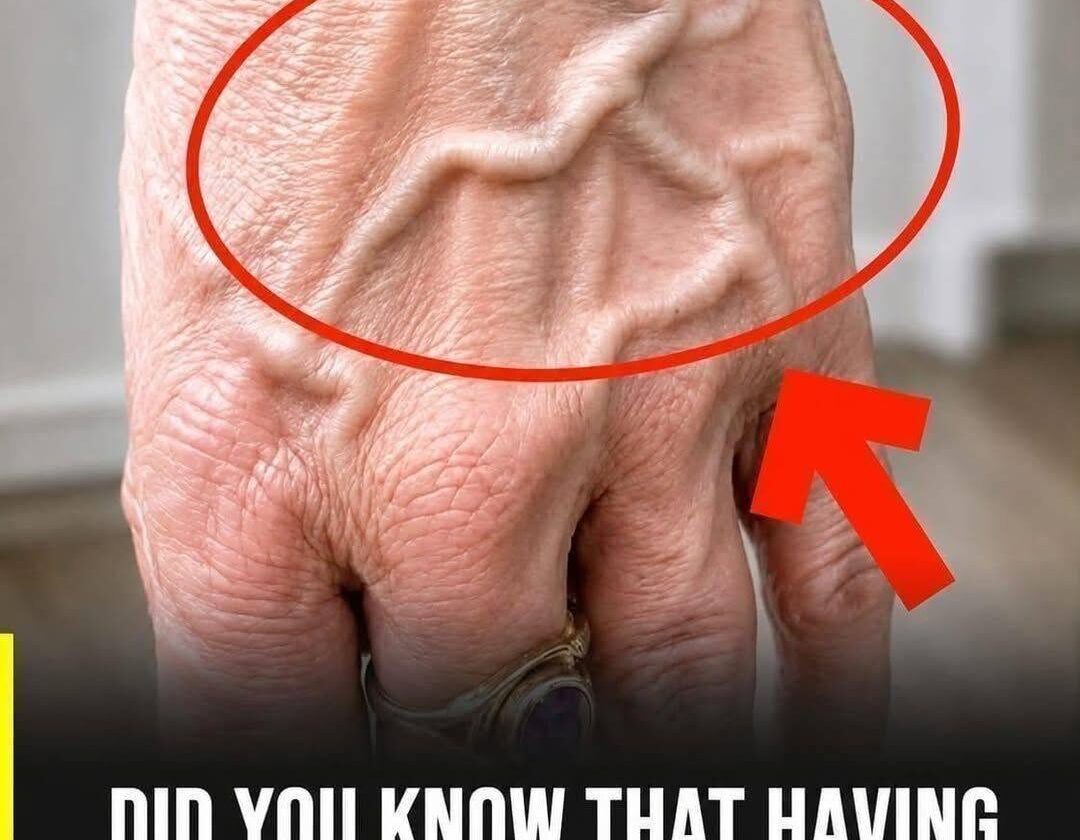
People who exercise frequently or have significant muscle development may have particularly noticeable veins on their arms and hands.
Once again, that isn’t automatically a warning sign.
Heat Can Change Their Appearance Too
Your blood vessels respond to temperature.
When you’re hot, blood vessels near the skin can widen as part of the body’s temperature-regulation system. This can make superficial veins appear more prominent.
You might therefore notice your veins more after being outdoors on a hot day, exercising, taking a warm shower or spending time in a warm room.
When your body cools down, they may become less noticeable again.
Lower Body Fat Can Make Veins Easier to See
The amount of tissue between a vein and the surface of the skin matters.
Someone with relatively little subcutaneous fat may have more visible veins simply because there’s less tissue covering them.
This is one reason prominent veins are common among lean people and athletes.
However, suddenly losing a substantial amount of weight without trying is different. Unexplained weight loss should be discussed with a healthcare professional because many conditions can cause it.
The visible veins themselves wouldn’t identify the cause.
What About Dehydration?
Changes in hydration can alter how your skin and superficial structures look, although prominent veins by themselves are not a reliable test for dehydration.
Better clues include thirst, dry mouth, darker or less frequent urine, dizziness and other symptoms depending on severity.
Rather than trying to diagnose dehydration by looking at your hand veins, consider the whole situation.
Do Visible Veins Mean You Have Poor Circulation?
Not necessarily.
This is an important misconception.
Being able to see a vein does not mean blood is failing to circulate properly. In many people, the veins are simply close enough to the surface to be visible.
Likewise, prominent veins don’t automatically indicate high blood pressure, a heart problem, diabetes, a vitamin deficiency or another disease.
A photograph of visible hand veins cannot diagnose any of those conditions.
Are Visible Hand Veins a Sign of Cancer?
No—visible veins on the hands are not, by themselves, a recognized sign that someone has cancer.
This is particularly important because online posts sometimes use vague statements such as “If your veins look like this, your body is warning you about…” and then connect an ordinary physical feature to a frightening illness.
There are medical conditions that can alter veins or circulation, but simply seeing the normal network of veins beneath your hand isn’t enough to diagnose one.
If someone has symptoms that concern them, the appropriate approach is medical evaluation rather than trying to interpret a viral photograph.
When Should Prominent Veins Be Checked?
The key question isn’t simply whether you can see your veins.
It’s whether something changed suddenly or is accompanied by other symptoms.
For example, seek medical advice if a newly prominent vein is associated with persistent pain, swelling, redness, warmth, skin discoloration or a firm/tender cord-like area.
A hand or arm that suddenly becomes significantly swollen—especially on only one side—also deserves medical attention.
Doctors may need to determine whether there’s inflammation, infection, an injury, a problem affecting venous blood flow or another explanation.
Visible veins that have looked essentially the same for years and aren’t causing symptoms are a very different situation.
Pay Attention to the Whole Arm, Not Just the Vein
Suppose you’ve always been able to see several veins on both hands.
They’re painless.
There’s no swelling.
Your skin looks normal.
And their appearance becomes more pronounced when you’re hot or exercising.
That’s generally much less concerning than a completely new change involving only one hand or arm.
Context matters enormously.
If one arm suddenly becomes swollen, painful, warm or discolored, don’t assume it’s simply because you’re getting older.
And if arm swelling occurs together with chest pain, significant shortness of breath, fainting or another severe sudden symptom, seek urgent medical attention.
What About Bulging or Twisted Veins?
A visible vein and an abnormal vein aren’t necessarily the same thing.
Some veins naturally become more prominent with age. However, veins that are unusually enlarged, painful or associated with swelling deserve individual assessment.
Varicose veins are far more common in the legs than the hands, but superficial veins elsewhere can also become enlarged.
A healthcare professional can examine the area and decide whether further testing is warranted.
Trying to diagnose the cause solely from an online photograph isn’t reliable.
Can You Make Hand Veins Less Visible?
If they’re normal veins and the concern is purely cosmetic, treatment usually isn’t medically necessary.
Their prominence may naturally fluctuate depending on temperature, activity and other factors.
There are cosmetic procedures designed to reduce the appearance of certain hand veins, but the hands contain important blood vessels, nerves and other structures. Any procedure should therefore be discussed with an appropriately qualified medical professional rather than attempted with home remedies.
Don’t inject, puncture, tightly compress or apply harsh substances to visible veins in an attempt to make them disappear.
And don’t intentionally dehydrate yourself to change their appearance.
What Your Hands Can—and Cannot—Tell You
Our hands change throughout life.
Skin becomes thinner.
Fat distribution changes.
Tendons and bones may become more noticeable.
Veins that were barely visible at 30 may be obvious decades later.
Those changes can look dramatic without necessarily representing disease.
At the same time, it isn’t useful to dismiss every new physical change simply as aging. A sudden change accompanied by pain, swelling, redness, warmth or other symptoms deserves attention.
That’s the distinction sensational headlines often leave out.
There isn’t a secret diagnosis hidden in the fact that you can see veins beneath your skin.