The Truth About Grocery Store Meat: What Those Labels Really Mean (And How to Shop Smarter)
Meta Title: Grocery Store Meat Labels Explained | Smart Meat Buying Guide
Meta Description: Learn what grocery store meat labels really mean, how to identify quality meat, understand “added solution” claims, and shop confidently with expert food safety tips.
Focus Keywords: grocery store meat, meat labels explained, USDA meat inspection, buying fresh meat, healthy grocery shopping, meat packaging, food safety
The Truth About Grocery Store Meat: Don’t Let Misleading Headlines Fool You
Every few weeks, alarming headlines begin circulating online:
- “The Shocking Truth About Grocery Store Meat!”
- “What Supermarkets Don’t Want You to Know!”
- “Stop Buying Meat Until You Read This!”
These dramatic stories are designed to grab attention, but they often leave shoppers feeling confused or worried about the food they bring home.
The reality is much less dramatic.
In the United States, commercially sold meat is inspected under strict food safety regulations before reaching supermarket shelves. That doesn’t mean every product is identical, however. Different cuts, packaging methods, and labeling practices can affect quality, flavor, sodium content, and price.
Understanding these differences allows you to shop with confidence instead of fear.
How Meat Ends Up in Your Grocery Store
Before fresh meat reaches your local supermarket, it goes through multiple stages of processing and inspection.
These typically include:
- Animal health inspections
- Processing under regulated conditions
- Food safety inspections
- Temperature-controlled transportation
- Refrigerated retail storage
Inspection systems are designed to help ensure meat sold commercially meets food safety standards before it reaches consumers.
The “Added Solution” Label Explained
One label that often surprises shoppers reads something like:
“Contains up to 15% retained water”
or
“Injected with a solution of water, salt, and sodium phosphate.”
This doesn’t necessarily indicate poor quality or unsafe meat.
Manufacturers sometimes add a solution to improve:
- Moisture
- Tenderness
- Flavor
- Shelf life
However, this also means you’re paying for added liquid instead of 100% meat.
It may also increase the product’s sodium content.
If you’re trying to reduce sodium intake, compare ingredient labels before purchasing.
Understanding Sell-By, Best-By, and Use-By Dates
Many shoppers mistakenly assume these dates all mean the same thing.
Here’s the difference:
Sell-By Date
This date helps stores manage inventory. It is primarily intended for retailers rather than consumers.
Best-By Date
This generally refers to peak quality, flavor, or texture—not necessarily food safety.
Use-By Date
This is the manufacturer’s recommendation for best quality and should be followed when applicable. For infant formula, the use-by date has specific safety significance.
When evaluating fresh meat, proper refrigeration, appearance, odor, and packaging condition are all important factors.
Does Meat Color Indicate Freshness?
Not always.
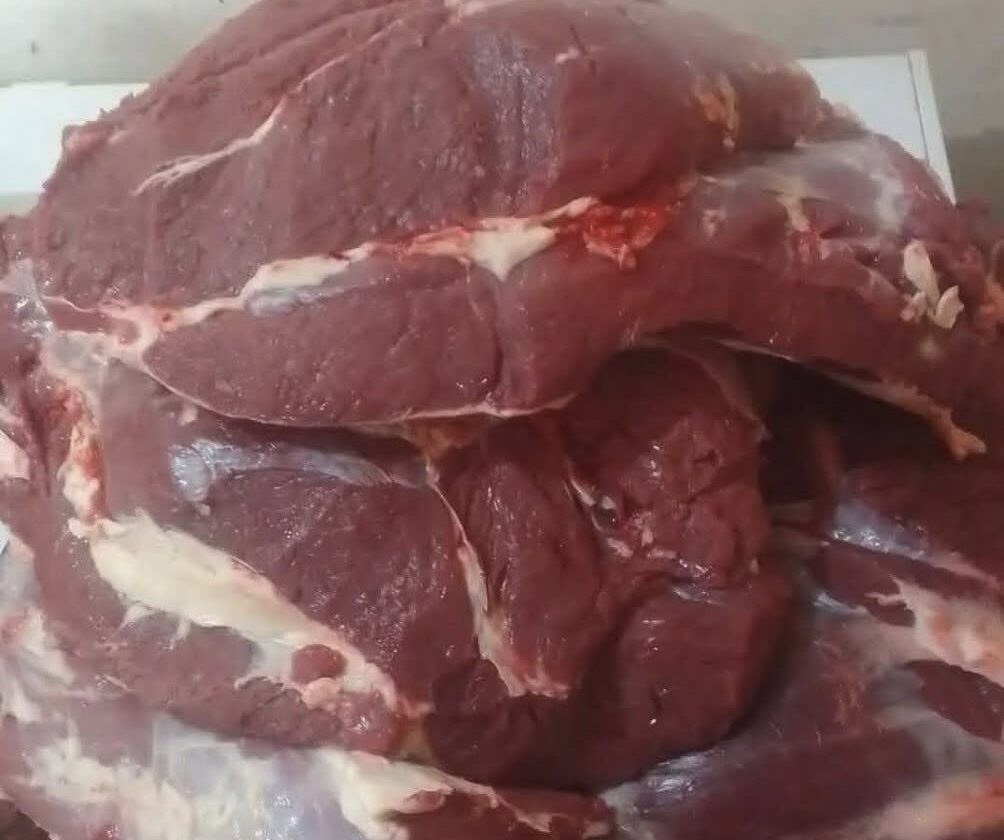
Many people believe bright red meat automatically means “fresh” while brown meat means “spoiled.”
In reality, meat color changes naturally due to a protein called myoglobin, which reacts with oxygen.
Fresh meat may appear:
- Bright red
- Dark red
- Purplish-red
- Brownish on the surface
Color alone isn’t a reliable indicator of spoilage.
Instead, look for warning signs such as:
- Strong sour odor
- Sticky or slimy texture
- Damaged packaging
- Visible mold
- Excessive discoloration combined with foul smell
Smart Tips for Buying Better Meat
Shopping wisely doesn’t require expert knowledge.
A few simple habits can help you choose quality products consistently.
Read the Ingredient Label
For plain cuts like chicken breast or steak, the ingredient list may simply contain the name of the meat.
If additional ingredients appear, understand what they add before purchasing.
Inspect the Packaging
Avoid packages with:
- Tears
- Leaks
- Excess liquid
- Broken seals
Buy From Refrigerated Displays
Choose products that are properly chilled and stored in refrigerated cases.
Freeze What You Won’t Use Soon
If you aren’t cooking meat within a couple of days, freezing it promptly can help maintain quality.
Safe Meat Handling at Home
Food safety continues after you leave the grocery store.
Follow these best practices:
- Refrigerate meat promptly.
- Keep raw meat separate from ready-to-eat foods.
- Wash hands after handling raw meat.
- Use separate cutting boards when possible.
- Cook meat to recommended safe internal temperatures.
- Refrigerate leftovers promptly.
These habits help reduce the risk of foodborne illness.
Frequently Asked Questions
Is grocery store meat safe?
Commercially sold meat is generally subject to food safety inspection and regulations before reaching consumers.
What does “contains up to 15% solution” mean?
It means the meat contains added liquid—typically water along with ingredients such as salt or phosphates—to improve moisture and tenderness.
Is brown meat always spoiled?
No. Meat can naturally darken or brown because of oxygen exposure. Evaluate odor, texture, packaging, and storage conditions along with color.
Should I avoid meat with added solutions?
That depends on your personal preferences and dietary needs. Some shoppers prefer products without added ingredients, particularly if limiting sodium intake.
Can I freeze meat before the sell-by date?
Yes. Freezing meat before the recommended date can help preserve quality for future use.
Final Thoughts
Shopping for meat doesn’t have to feel confusing or stressful. While sensational headlines often suggest hidden dangers, the truth is much more practical: understanding labels, checking packaging, and following safe food handling practices are the best ways to make informed choices.
Instead of relying on internet rumors, focus on reading ingredient labels, comparing products, and storing meat properly once you get home. These simple habits can help you shop with confidence, reduce food waste, and prepare meals your family can enjoy safely.
The next time you visit the meat aisle, remember that knowledge—not fear—is your most valuable shopping tool.