Who Should Avoid Ginger? 5 Health Conditions That Require Caution
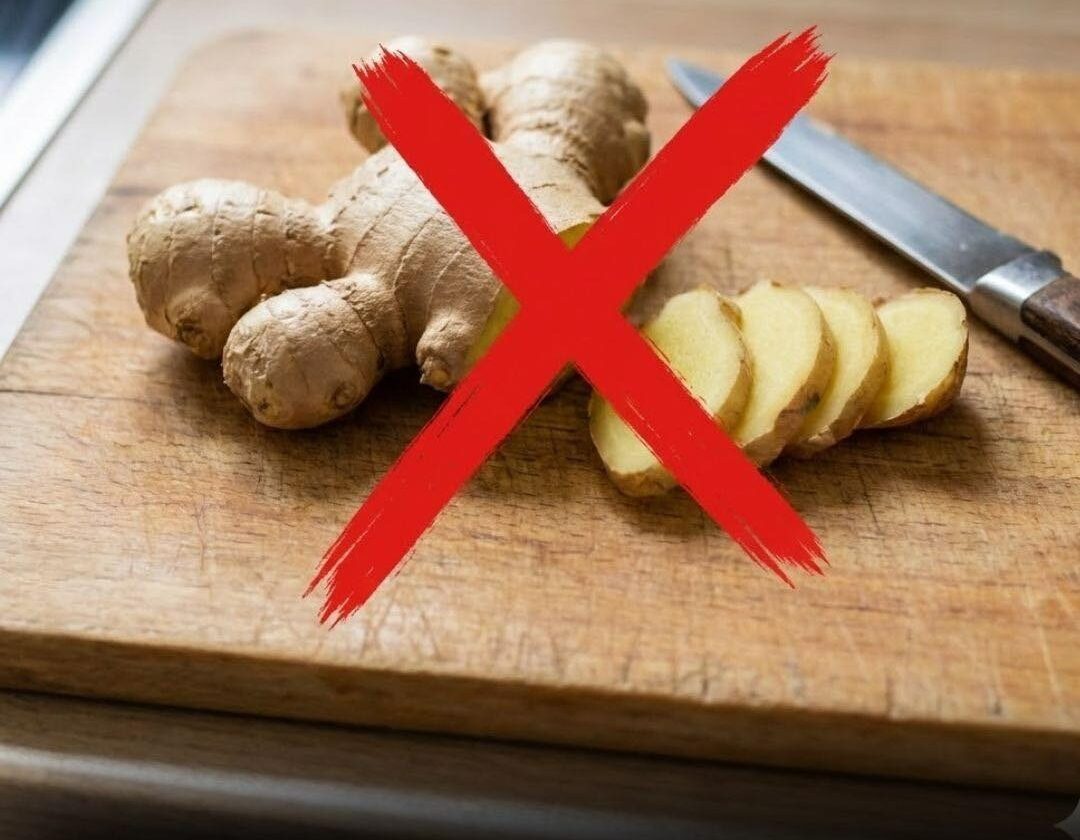
Ginger is widely known as a natural superfood, praised for its anti-inflammatory, digestive, and immune-boosting benefits. But while it’s safe for most people in everyday cooking, high doses or supplements aren’t always harmless.
The popular advice to “avoid ginger completely” is misleading. The real issue is how much you consume and your individual health condition.
If you’re using ginger medicinally (capsules, extracts, or large amounts), here are five situations where you should talk to your doctor first.
1. Blood Clotting Disorders or Upcoming Surgery
Why it matters:
Ginger has natural blood-thinning (antiplatelet) effects.
Potential risk:
If you have a bleeding disorder or take medications like:
- Warfarin
- Clopidogrel
- Aspirin (daily use)
…adding high doses of ginger may increase the risk of bleeding or bruising.
What to do:
- Avoid supplements before surgery
- Stick to small food amounts unless your doctor approves
2. Gallbladder Disease
Why it matters:
Ginger stimulates bile production.
Potential risk:
If you have gallstones or bile duct issues, this can trigger:
- Painful gallbladder attacks
- Worsening symptoms
What to do:
- If your gallbladder is healthy → usually safe
- If you have known issues → consult your doctor before using ginger therapeutically
3. Heart Conditions or Blood Pressure Issues
Why it matters:
High doses of ginger may affect heart rhythm and blood pressure.
Potential risk:
It may interact with medications like:
- Nifedipine
- Verapamil
This could lead to:
- Low blood pressure
- Irregular heartbeat
What to do:
- Culinary use is generally safe
- Avoid self-prescribing supplements
- Always inform your cardiologist
4. Digestive Conditions (GERD, Ulcers, IBD)
If you have conditions like:
- Gastroesophageal Reflux Disease
- Crohn’s disease
- Ulcerative colitis
Why it matters:
Ginger can irritate sensitive digestive linings.
Potential risk:
- Heartburn
- Stomach irritation
- Worsening flare-ups
What to do:
- Start with very small amounts
- Avoid during active flare-ups
- Pay attention to how your body reacts
5. Late Pregnancy (Third Trimester)
Why it matters:
Ginger is commonly used for morning sickness—but timing matters.
Potential risk:
High doses (over ~1 gram/day) may:
- Affect blood clotting
- Raise concerns during labor and delivery
What to do:
- Small amounts in food or tea → generally safe
- Avoid supplements unless approved by your doctor or midwife
The Bottom Line: Moderation Is Key
For most people, ginger is safe, natural, and beneficial when used in normal food amounts.
Problems usually arise with:
- High-dose supplements
- Pre-existing medical conditions
- Medication interactions
Smart Safety Tips
- Always tell your doctor about supplements
- Don’t assume “natural” means risk-free
- Start small and observe your body’s response
Final Thought
Ginger can be a powerful ally for your health—but like any strong natural compound, it should be used wisely.
The goal isn’t to avoid it—it’s to use it safely and intentionally.