Skin irritation in the groin area is extremely common and can affect people of all ages. Because this part of the body is naturally warm, moist, and subject to friction, it is particularly vulnerable to rashes, irritation, and minor infections.
The good news is that most cases are mild and respond well to simple home care and proper hygiene.
Why the Groin Area Is Prone to Irritation
Several factors make the groin more susceptible to skin problems, including:
- Heat and sweating
- Friction from clothing or movement
- Shaving or hair removal
- Tight-fitting garments
- Moisture trapped against the skin
Understanding the underlying cause is often the first step toward effective treatment.
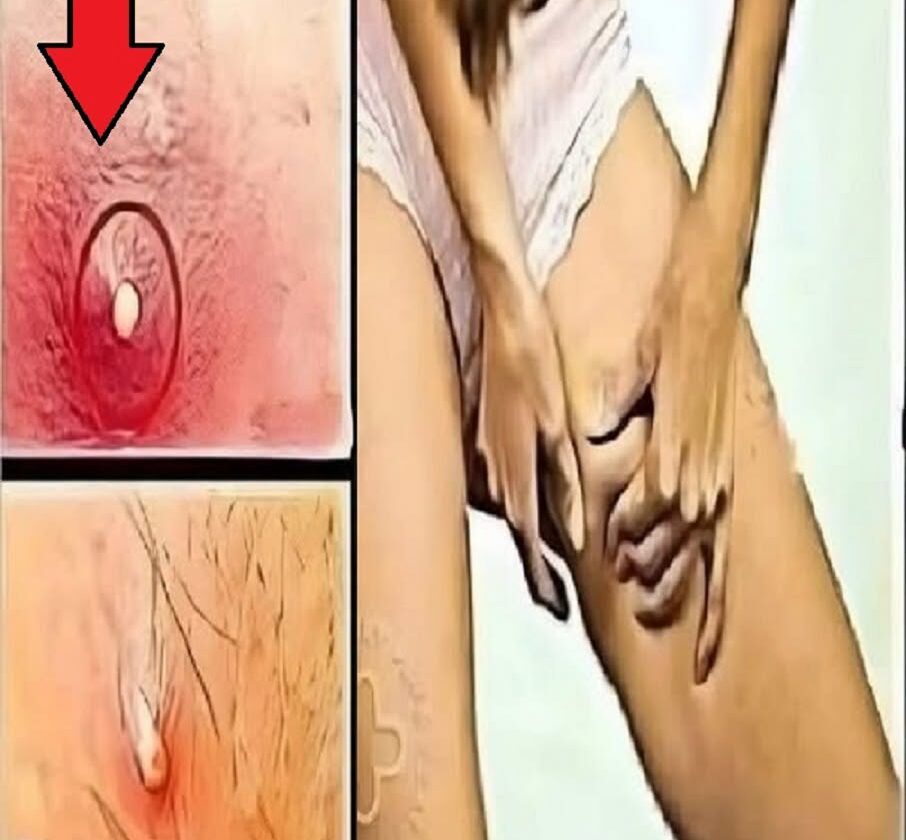
1. Ingrown Hairs
Ingrown hairs occur when a hair curls back or grows into the skin instead of growing outward.
Common symptoms:
- Small red bumps
- Itching or tenderness
- Occasionally pus-filled spots
Helpful care:
- Apply warm compresses.
- Avoid picking or squeezing the area.
- Pause shaving until healing occurs.
- Gentle exfoliation may help prevent future ingrown hairs.
2. Folliculitis
Folliculitis is inflammation of the hair follicles, often caused by irritation, friction, or bacterial overgrowth.
Common symptoms:
- Small red or white bumps
- Mild pain or tenderness
- Itching
Helpful care:
- Keep the area clean and dry.
- Wear breathable clothing.
- Avoid shaving if irritation is severe.
Persistent or worsening folliculitis may require medical evaluation.
3. Jock Itch (Fungal Infection)
Tinea Cruris is a common fungal infection that thrives in warm, moist environments.
Common symptoms:
- Red or brown rash
- Itching or burning
- Flaking or peeling skin
Helpful care:
- Use antifungal treatments as directed.
- Keep the skin dry.
- Change out of sweaty clothing promptly.
4. Contact Dermatitis
Contact Dermatitis occurs when the skin reacts to substances such as:
- Soap
- Laundry detergent
- Fragrances
- Fabric materials
- Personal care products
Common symptoms:
- Redness
- Itching
- Dry or irritated skin
Helpful care:
- Identify and avoid the trigger.
- Switch to fragrance-free products.
- Wear soft, breathable fabrics.
5. Intertrigo
Intertrigo develops when moisture and friction irritate areas where skin rubs together.
Common symptoms:
- Redness
- Burning sensation
- Soreness
- Moist or irritated skin
Helpful care:
- Keep skin folds dry.
- Reduce friction where possible.
- Wear loose clothing.
Prevention Tips
Many cases of groin irritation can be prevented by simple habits:
- Maintain regular hygiene.
- Dry the area thoroughly after bathing.
- Wear loose, breathable clothing.
- Change sweaty clothing promptly.
- Avoid sharing towels or personal items.
- Choose gentle, fragrance-free products.
When Should You See a Doctor?
Medical advice is recommended if:
- Symptoms last longer than two weeks.
- The rash spreads rapidly.
- There is severe pain or swelling.
- Pus or drainage develops.
- The irritation repeatedly returns despite treatment.
A healthcare professional can determine whether additional treatment or testing is needed.
The Bottom Line
Groin skin irritation is common and is usually caused by friction, moisture, shaving, or minor infections rather than anything serious.
Most cases improve with good hygiene, reducing irritation, and treating the underlying cause.
If symptoms persist, worsen, or frequently return, seeking medical advice can help ensure proper diagnosis and treatment.