
SEO Title:
Heavy Cream vs Whipping Cream: The Real Difference and Which One Is Best for Cooking & Baking
Heavy Cream and Whipping Cream Are Not Exactly the Same
When I first started cooking, I honestly thought heavy cream and whipping cream were identical. They looked nearly the same, sat side-by-side in the grocery store, and both promised creamy results. I figured I could grab either one without thinking twice.
Then I ruined a chocolate ganache.
That was the moment I learned that even a small difference in fat content can completely change the outcome of a recipe. One cream creates thick, stable whipped toppings and silky sauces, while the other produces lighter textures that may not hold up as long.
If you have ever stood in the dairy aisle confused about which carton to buy, you are definitely not alone. Understanding the difference between heavy cream and whipping cream can help you make better desserts, richer sauces, and more successful recipes every single time.
Whether you are making homemade whipped cream, creamy pasta sauce, soup, cheesecake, or coffee drinks, knowing when to use each type of cream makes a huge difference.
Why You’ll Love This Cream Comparison Guide
- Explains the difference in simple terms
- Helps prevent common baking mistakes
- Perfect for beginner cooks and bakers
- Covers substitutions, storage, and cooking tips
- Great for meal prep and dessert recipes
- Helps you choose the best cream for every recipe
What Is the Difference Between Heavy Cream and Whipping Cream?
The biggest difference comes down to milk fat percentage.
Heavy Cream
Heavy cream — sometimes labeled as heavy whipping cream — contains at least 36% milk fat.
Because it has a higher fat content, heavy cream is:
- Richer
- Thicker
- Creamier
- More stable when whipped
This extra fat allows it to hold stiff peaks longer and creates luxurious textures in sauces, soups, and desserts.
Whipping Cream
Whipping cream usually contains between 30% and 35% milk fat.
It is still creamy and delicious, but slightly lighter than heavy cream.
Whipping cream tends to create:
- Softer whipped textures
- Lighter consistency
- Less stable whipped cream
Even though the fat difference sounds small, those few extra percentage points matter more than most people realize.
Why Fat Content Matters in Cooking
Fat plays a major role in texture, stability, flavor, and consistency.
The higher fat content in heavy cream helps:
- Stabilize whipped cream
- Prevent curdling
- Create thicker sauces
- Improve richness
- Produce smoother desserts
Recipes that depend on structure often work much better with heavy cream.
Meanwhile, whipping cream works best in recipes where a lighter texture is preferred.
Is Heavy Cream Healthier Than Whipping Cream?
Nutritionally, the two are very similar.
However, heavy cream contains:
- More calories
- More fat
- Slightly richer texture
Whipping cream contains slightly fewer calories because of the lower fat content.
Neither cream is considered a “health food,” but both can absolutely fit into a balanced diet when used in moderation.
Many people use cream in:
- Low-carb recipes
- Keto meal plans
- Homemade cooking
- High-fat diets
The healthiest approach usually comes down to portion size and overall eating habits rather than avoiding cream entirely.
Best Uses for Heavy Cream
I like to think of heavy cream as the powerhouse of the dairy aisle.
It works best in recipes where richness and stability matter most.
Heavy Cream for Whipped Cream
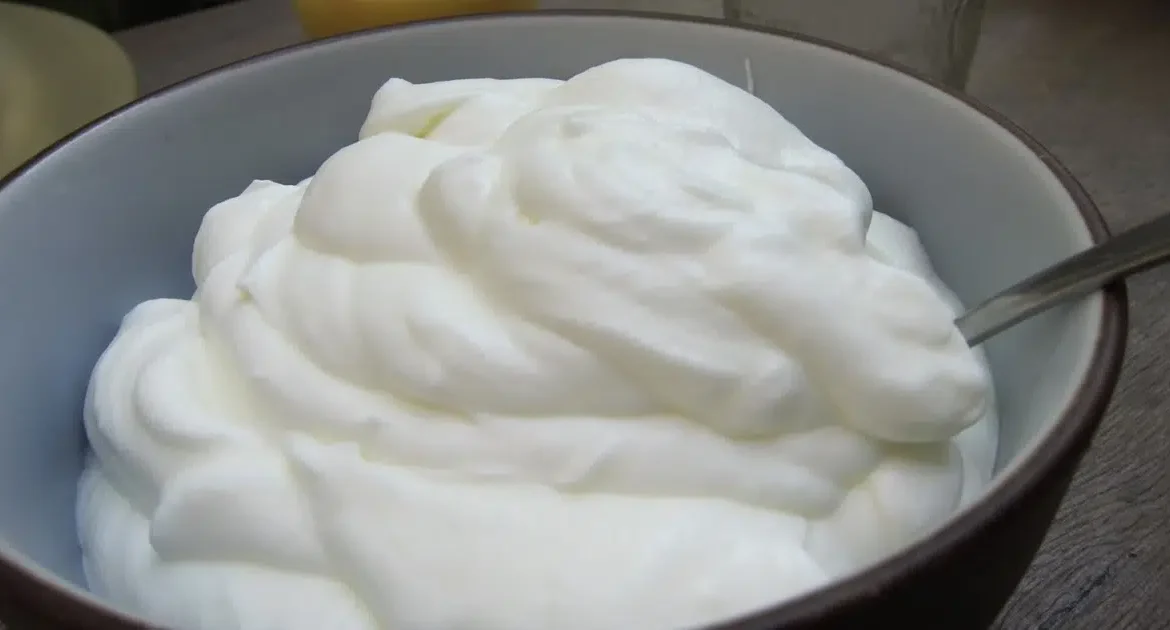
Heavy cream creates thick, fluffy whipped cream that holds its shape for hours.
This makes it perfect for:
- Cake decorating
- Pies
- Frostings
- Dessert toppings
- Homemade ice cream
If you need stiff peaks, heavy cream is usually the safest option.
Heavy Cream for Sauces and Soups
Heavy cream creates luxurious texture in:
- Alfredo sauce
- Creamy tomato soup
- Mac and cheese
- Bisques
- Cream sauces
Because it has more fat, it blends more smoothly and is less likely to separate under heat.
Heavy Cream for Baking
Heavy cream is ideal for recipes like:
- Chocolate ganache
- Custards
- Cheesecake
- Ice cream
- Cream fillings
I once substituted whipping cream in a ganache recipe thinking it would not matter.
Instead of thick, glossy ganache, I ended up with a thin chocolate glaze.
Lesson learned.
Best Uses for Whipping Cream
Whipping cream still works beautifully in many recipes, especially lighter desserts and everyday cooking.
Light Whipped Toppings
Whipping cream creates softer whipped toppings that are perfect for:
- Pancakes
- Hot cocoa
- Waffles
- Fruit desserts
- Coffee drinks
Because it is lighter, some people actually prefer its softer texture.
Desserts and Mousses
Whipping cream works well in:
- Mousses
- Trifles
- No-bake desserts
- Light fillings
These recipes often do not require the cream to hold its structure for extended periods.
Everyday Cooking
Whipping cream can also work for:
- Lighter pasta sauces
- Creamy scrambled eggs
- Potato dishes
- Coffee creamers
It adds creaminess without feeling quite as heavy.
Calories & Nutrition
Heavy Cream (1 Tablespoon Approx.)
- Calories: 50–55
- Fat: 5–6g
- Carbohydrates: Less than 1g
- Protein: Less than 1g
Whipping Cream (1 Tablespoon Approx.)
- Calories: 45–50
- Fat: 4–5g
- Carbohydrates: Less than 1g
- Protein: Less than 1g
The nutritional difference is relatively small, but heavy cream delivers a richer texture due to the higher fat content.
Can You Substitute One for the Other?
Usually, yes — but results may vary.
When Heavy Cream Works Better
Use heavy cream when recipes require:
- Stiff whipped peaks
- Thick sauces
- Stable desserts
- Rich textures
Heavy cream is generally more forgiving and versatile.
When Whipping Cream Works Fine
Whipping cream is usually fine for:
- Light sauces
- Coffee
- Soft whipped toppings
- Casual desserts
However, it may not hold up as well in recipes requiring structure.
Heavy Cream vs Whipping Cream for Coffee
Both creams are popular coffee additions.
Heavy Cream in Coffee
- Richer texture
- Creamier flavor
- Popular in keto diets
- Makes coffee feel more decadent
Whipping Cream in Coffee
- Slightly lighter
- Easier to mix
- Less dense mouthfeel
If you love extra creamy coffee drinks, heavy cream is often the favorite choice.
Tips for Best Results
Keep Cream Cold
Cold cream whips faster and creates better volume.
Chill Your Bowl
For whipped cream, cold mixing bowls help stabilize the cream.
Read Labels Carefully
Some brands add stabilizers or thickeners that affect texture.
Do Not Overwhip
Cream can quickly turn grainy and eventually become butter if overmixed.
Freeze Leftovers
Pour leftover cream into ice cube trays for easy future portions.
Storage and Shelf Life
Once opened, both heavy cream and whipping cream typically last about:
- 5–7 days refrigerated
Always store cream:
- In the coldest part of the fridge
- Sealed tightly
- Away from strong odors
Signs cream has spoiled include:
- Sour smell
- Clumping
- Separation
- Off taste
Variations & Alternatives
Looking for substitutes? Some alternatives include:
- Half-and-half
- Coconut cream
- Evaporated milk
- Greek yogurt
- Cashew cream
- Oat cream
Keep in mind that substitutions may affect texture and flavor.
Frequently Asked Questions
Is heavy cream the same as heavy whipping cream?
Yes. In most stores, these labels are used interchangeably.
Which cream is better for whipped cream?
Heavy cream is better because it creates more stable whipped peaks.
Can I use whipping cream instead of heavy cream?
Usually yes, but results may be lighter and less stable.
Which cream is better for pasta sauce?
Heavy cream creates richer, thicker sauces.
Can I freeze cream?
Yes. Freezing in small portions works best for future cooking use.
You May Also Like
- Best Baking Ingredients Every Beginner Needs
- Easy Homemade Alfredo Sauce Recipe
- Simple Dessert Recipes With Heavy Cream
- How to Make Perfect Whipped Cream
- Common Baking Mistakes and Fixes
- Best Dairy Substitutes for Cooking
Final Thoughts
The difference between heavy cream and whipping cream may seem small, but it can completely change the outcome of a recipe.
Heavy cream delivers richness, stability, and luxurious texture, while whipping cream offers a lighter, softer finish that works beautifully in many everyday dishes.
If you are ever unsure which one to choose, heavy cream is usually the safer option for cooking and baking success.
And after enough kitchen disasters, you learn one very important lesson:
It is almost always better to go a little richer than risk ruining dessert.