2. Engaging Introduction
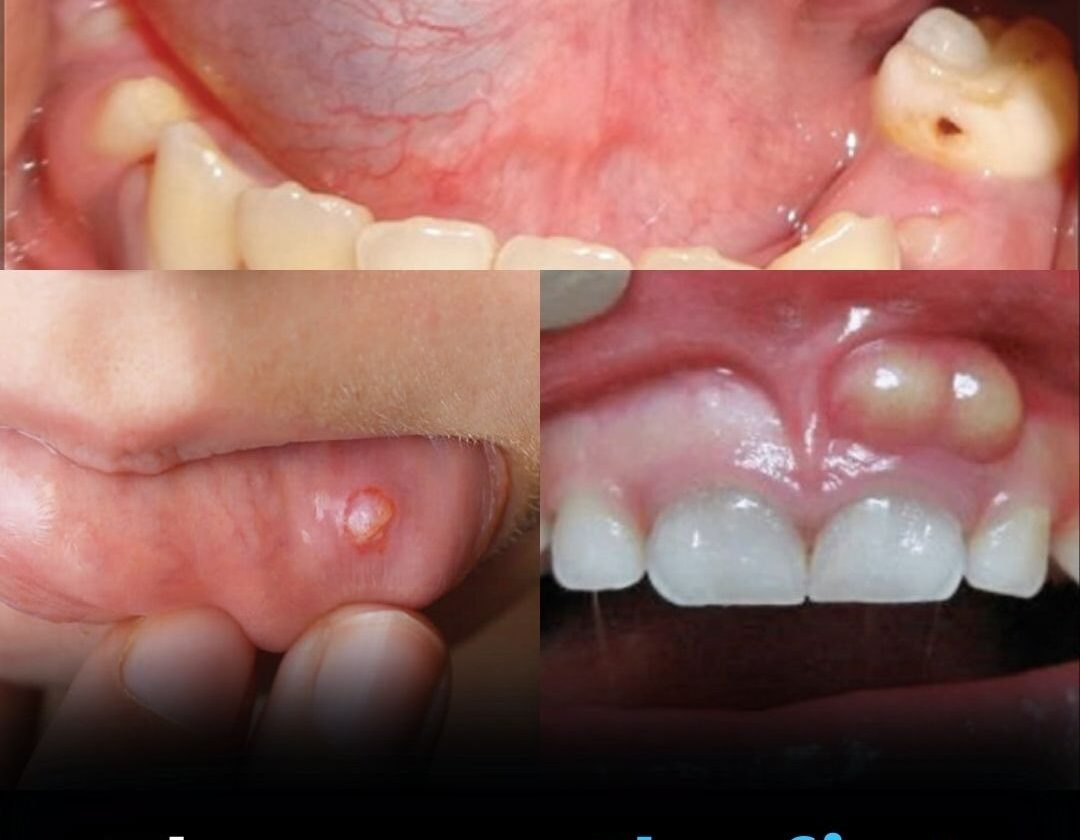
A routine dental visit can sometimes reveal things you’d never notice on your own. A small white patch. A subtle change in texture. No pain, no bleeding—just something quietly sitting there. That’s what makes Oral cancer so easy to overlook in its early stages.
Here’s the part most people don’t realize: early oral cancer often doesn’t hurt. And that’s exactly why it can go unnoticed for so long. But when caught early, survival rates are high—over 80%. The key difference often comes down to awareness and early action. This guide is here to help you understand what to look for, without fear—just clear, practical knowledge that could make a real difference.
3. Why You’ll Love This Guide
- ✅ Clear explanation of early warning signs
- ✅ Easy 2-minute self-exam routine
- ✅ Helps you know when to see a doctor
- ✅ Focus on prevention and awareness
- ✅ Simple, non-scary, practical advice
4. What Is Oral Cancer? (Simple Explanation)
Oral cancer is a type of cancer that develops in the tissues of your mouth or throat. It can appear in several areas, including:
- Lips
- Tongue (especially underneath)
- Gums
- Inside of cheeks
- Roof or floor of the mouth
- Tonsils and throat
Each year, thousands of people are diagnosed, and cases are increasing—especially due to infections like Human papillomavirus.
5. Early Signs of Oral Cancer (Don’t Ignore These)
Most of these symptoms are often harmless—but if they last more than 2 weeks, they need attention.
1. Persistent Sores That Won’t Heal
A sore that doesn’t improve after 2–3 weeks is one of the most common warning signs.
2. Red or White Patches
- White patches may indicate Leukoplakia
- Red patches may indicate Erythroplakia
These changes in color should never be ignored.
3. Lumps or Thickened Areas
Any unusual bump or rough spot inside your mouth deserves attention.
4. Numbness or Tingling
Unexplained numbness in your lips, tongue, or chin may signal nerve involvement.
5. Difficulty Swallowing or Speaking
Feeling like food is stuck or noticing speech changes can be early indicators.
6. Persistent Sore Throat
A long-lasting sore throat without cold symptoms could be a warning sign.
7. Loose Teeth or Bite Changes
Unexpected dental changes without injury should be checked.
8. One-Sided Ear Pain
Pain in one ear without infection can sometimes be linked to oral issues.
9. Voice Changes
Hoarseness or unusual voice changes lasting more than a few weeks.
10. Unexplained Weight Loss or Fatigue
These are usually later signs but still important to note.
6. The 2-Week Rule (Critical for Early Detection)
Here’s the most important takeaway:
👉 If any sore, lump, or patch lasts longer than 2 weeks—get it checked.
Most minor mouth issues heal quickly. If something doesn’t, it needs professional evaluation. Don’t wait and hope it disappears.
7. Is Oral Cancer Serious?
Yes—but it’s highly treatable when caught early.
- Early detection: High survival rate (80%+)
- Late detection: Significantly lower outcomes
This is why awareness and quick action matter so much.
8. Risk Factors to Know
- 🚬 Tobacco use (smoking or chewing)
- 🍷 Heavy alcohol consumption
- 🦠 Human papillomavirus
- ☀️ Excess sun exposure (lip cancer)
- 🦷 Poor oral health or chronic irritation
- 👤 Age (more common after 55, but younger cases are rising)
Even without these factors, oral cancer can still occur.
9. 2-Minute Self-Exam (Do This Monthly)
You don’t need special tools—just a mirror and good lighting.
- Check lips and gums for changes
- Look inside cheeks for patches or sores
- Examine your tongue (top, sides, underneath)
- Look at the floor and roof of your mouth
- Feel your neck for unusual lumps
👉 If something looks or feels different—monitor it. If it lasts 2 weeks, see a professional.
10. Tips for Prevention
- 🚫 Avoid tobacco products
- 🍷 Limit alcohol intake
- 💉 Consider HPV vaccination
- 🧴 Use SPF lip balm
- 🥗 Eat a balanced, nutrient-rich diet
- 🦷 Visit your dentist regularly
Small habits can significantly reduce your risk.
11. FAQ Section
Is oral cancer painful?
Usually not in early stages, which makes it easy to miss.
Can young people get oral cancer?
Yes—especially linked to HPV infections.
How fast does oral cancer grow?
It varies, but early detection is always key.
Can it be cured?
Yes, especially when caught early.
What’s the difference between a canker sore and cancer?
Canker sores heal within 1–2 weeks. Cancer-related sores do not.
12. You May Also Like
- Easy Daily Oral Care Routine
- Signs Your Body Is Trying to Warn You
- Healthy Habits for Disease Prevention
- Simple Self-Checks That Could Save Your Life
- How to Maintain Long-Term Health Naturally
13. Final Thoughts
You don’t need to live in fear—but you should stay aware. Your body often gives quiet signals before serious problems develop.
Taking just two minutes each month to check your mouth can make a life-changing difference. Most changes will be harmless—but the ones that aren’t are worth catching early.
Stay informed, stay observant, and take care of your health—because early action truly saves lives.