HPV Explained: What You Need to Know About This Common Virus
What Is HPV?
Human Papillomavirus (HPV) is one of the most common viral infections in the world. In fact, most people will be exposed to HPV at some point in their lives, often without ever realizing it.
Because HPV usually causes no symptoms, many infections go unnoticed and disappear naturally without treatment. However, certain types of HPV can persist and may require medical monitoring over time.
Understanding HPV
HPV is not a single virus but a group of more than 200 related viruses. These viruses spread primarily through close skin-to-skin contact and can be transmitted even when an infected person has no visible symptoms.
Most HPV infections are harmless and clear on their own as the body’s immune system eliminates the virus naturally.
Types of HPV
HPV types are generally divided into two categories:
Low-Risk HPV
Low-risk types may cause skin or genital warts but are unlikely to lead to serious health problems.
High-Risk HPV
Some high-risk types can cause changes in cells that may increase the risk of certain cancers if left undetected and untreated. Regular medical screenings help identify these changes early.
How HPV Spreads
HPV spreads through direct skin-to-skin contact, most commonly during intimate physical contact. Because symptoms are often absent, many people transmit or acquire HPV without knowing it.
Symptoms of HPV
Most people with HPV experience no symptoms at all.
When symptoms do occur, they may include:
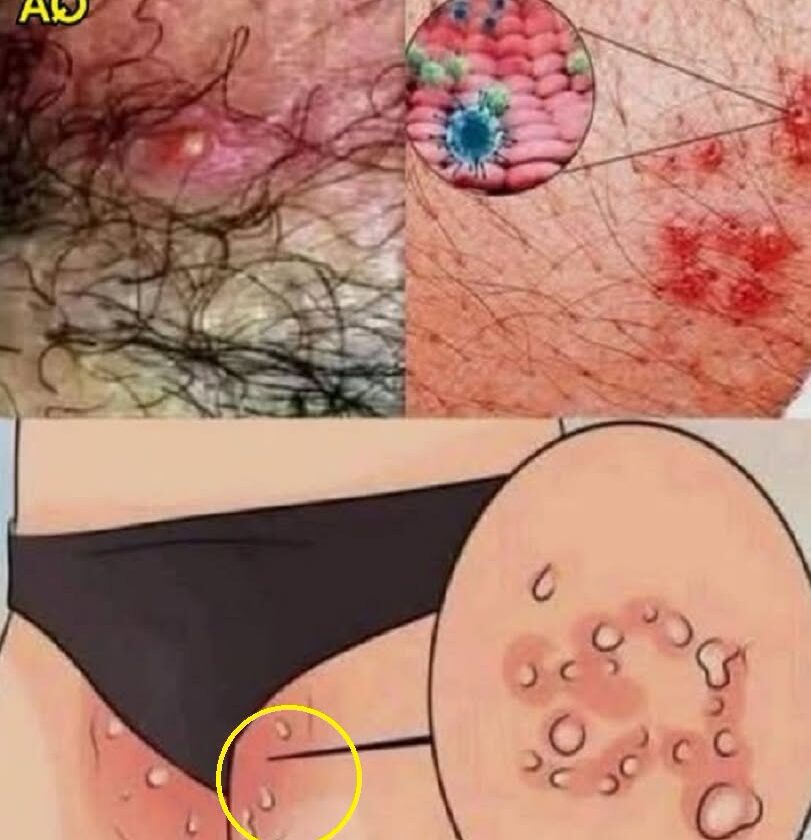
- Warts appearing on different areas of the body.
- Cell changes that are detected during routine medical screenings rather than through physical symptoms.
Prevention and Protection
Several steps can help reduce the risk of HPV-related complications:
- Receiving the HPV vaccine.
- Attending recommended health screenings.
- Practicing safer intimate behaviors.
- Staying informed about how HPV is transmitted.
Why Awareness Matters
Although HPV is extremely common, it is often misunderstood. Some people assume every HPV infection leads to serious illness, while others believe it is never a concern.
The reality lies somewhere in between.
Most infections resolve naturally, but awareness and preventive care play an important role in protecting long-term health.
The Bottom Line
HPV is a common virus that affects millions of people worldwide. In most cases, it causes no symptoms and disappears without treatment. However, vaccination, regular screenings, and awareness remain essential tools for preventing complications and maintaining good health.
Understanding HPV helps replace fear and misinformation with knowledge and prevention.