Why Public Toilet Seats Are U-Shaped: The Surprising Design Choice Explained
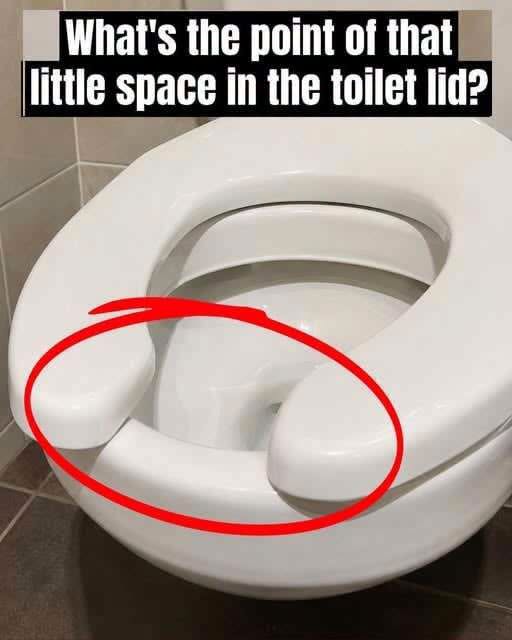
If you’ve ever used a public restroom, you’ve probably noticed that many toilet seats have a distinctive U-shaped opening at the front. Whether you’re at an airport, shopping mall, school, office building, or sports stadium, this unusual design is everywhere.
At first glance, it might seem like a manufacturing defect or simply a stylistic choice. In reality, the open-front toilet seat is the result of thoughtful engineering designed to improve hygiene, simplify maintenance, and reduce long-term costs.
Here’s why this simple design has become the standard in public restrooms around the world.
The Main Purpose: Better Hygiene
The biggest reason public toilets use U-shaped seats is hygiene.
Unlike traditional residential toilet seats, the open-front design reduces the amount of surface that comes into direct contact with users. This minimizes exposure to urine splashes, drips, and skin contact, helping keep public restrooms cleaner between uses.
In busy facilities that may serve hundreds—or even thousands—of visitors every day, even small improvements in cleanliness can make a significant difference.
The design also gives users a little more room at the front of the seat, which can help reduce accidental contact during use.
Easier and Faster to Clean
Public restrooms require frequent cleaning throughout the day.
The open-front design allows custodial staff to clean the toilet more efficiently because there are fewer surfaces where moisture, dirt, and bacteria can accumulate.
With no enclosed front section to wipe around, maintenance crews can sanitize toilets more quickly while still maintaining high cleanliness standards.
For airports, hospitals, schools, restaurants, and office buildings, this saves valuable time during routine maintenance.
Lower Manufacturing and Replacement Costs
Another practical benefit is cost savings.
Because U-shaped seats use less plastic or composite material than fully enclosed seats, manufacturers require fewer raw materials to produce each unit.
Although the savings for one toilet seat may seem modest, they become substantial when a business or public institution installs or replaces hundreds of seats across multiple buildings.
Over time, these lower production and replacement costs can reduce maintenance expenses without sacrificing durability or functionality.
Less Attractive to Thieves
Believe it or not, the design also helps discourage theft.
Most public restroom toilet seats are specifically designed for commercial fixtures and often don’t fit standard residential toilets.
Since the U-shaped style looks unusual in most homes and may be incompatible with household plumbing fixtures, it has little resale value and is less appealing to steal.
While theft prevention isn’t the primary reason for the design, it provides an added practical advantage for facility managers.
Common Places You’ll Find U-Shaped Toilet Seats
Open-front toilet seats are commonly installed in high-traffic public facilities, including:
- Airports
- Schools and universities
- Hospitals and medical centers
- Shopping malls
- Stadiums and arenas
- Government buildings
- Office complexes
- Restaurants
- Hotels
- Public transportation terminals
These environments benefit most from features that improve sanitation while reducing maintenance time and costs.
Why Most Homes Use Closed Toilet Seats
Residential bathrooms typically use fully enclosed toilet seats because households have far fewer users, making hygiene concerns easier to manage through regular cleaning.
Many homeowners also prefer the appearance and comfort of a closed-front seat.
Since family members generally share the same bathroom, the practical advantages of the commercial U-shaped design are less important than they are in public settings.
Frequently Asked Questions
Are U-shaped toilet seats more hygienic?
Yes. By reducing the amount of surface that comes into contact with users and limiting exposure to splashes, the open-front design can help improve hygiene in high-traffic public restrooms.
Why don’t homes use U-shaped toilet seats?
Most residential bathrooms prioritize comfort and appearance over the maintenance advantages that matter in public facilities.
Do U-shaped toilet seats save money?
Yes. They require less material to manufacture and can reduce replacement costs when installed in large numbers across commercial buildings.
Are they easier to clean?
Yes. The open-front design provides easier access during cleaning, allowing maintenance staff to sanitize toilets more quickly and efficiently.
Is the design intended to prevent theft?
While not its primary purpose, commercial U-shaped toilet seats are generally less attractive to thieves because they often don’t fit residential toilets and have limited resale value.
Final Thoughts
The next time you visit a public restroom, take a closer look at the U-shaped toilet seat. What may appear to be a small design quirk is actually a carefully considered solution to several everyday challenges.
By reducing contact with contaminated surfaces, simplifying cleaning, lowering manufacturing costs, and even discouraging theft, the open-front toilet seat has become a practical standard in public facilities around the world.
Sometimes the most effective innovations aren’t the most complicated—they’re the simple designs that quietly improve everyday life without most people ever noticing.