
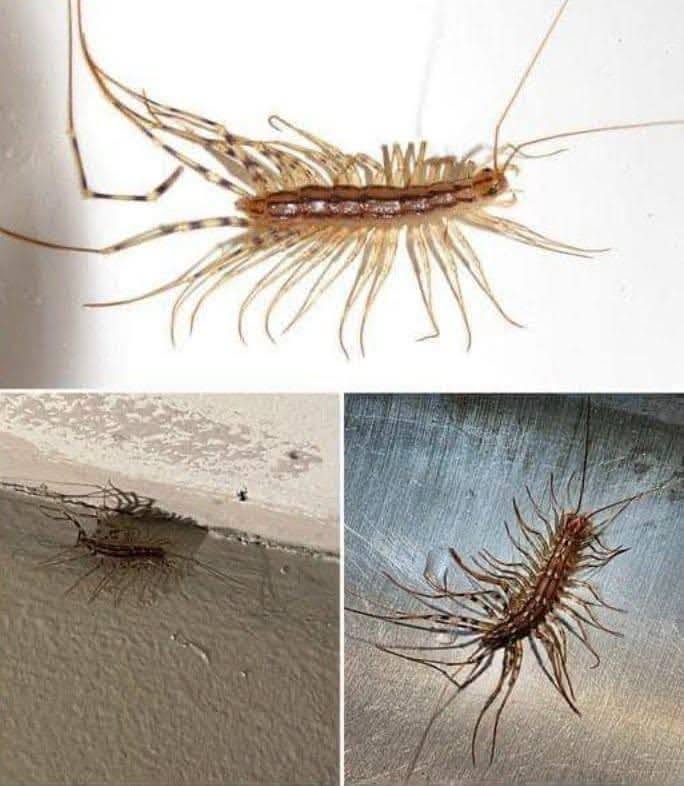
If You Find a House Centipede in Your Home, Here’s Why You Might Not Want to Kill It
Subtitle: Before reaching for the bug spray, discover why this fast-moving creature may actually be protecting your home from more troublesome pests.
Few household visitors cause as much alarm as the house centipede. With its dozens of long legs, lightning-fast speed, and unusual appearance, it’s no surprise many homeowners instinctively want to squash it the moment they see one racing across the floor.
But appearances can be deceiving.
Despite its intimidating look, the house centipede is actually one of the most beneficial creatures you can find inside your home. Instead of damaging your property or invading your food, it spends its nights hunting many of the pests that people pay exterminators to remove.
Understanding why these tiny predators are there—and what they’re doing—may completely change the way you react the next time you spot one.
What Is a House Centipede?


The house centipede (Scutigera coleoptrata) is a fast-moving arthropod commonly found in homes throughout North America, Europe, and many other parts of the world.
Unlike insects, centipedes have:
- One pair of legs on each body segment
- Long antennae that help detect prey
- Powerful jaws used to capture tiny insects
- Exceptional speed that helps them chase down pests
Although they may look frightening, house centipedes spend most of their lives avoiding humans.
They are nocturnal creatures, meaning they become active after dark when many household pests begin moving around.
Nature’s Own Pest Control
One of the biggest advantages of having a house centipede nearby is its incredible appetite.
Rather than feeding on your food, furniture, or clothing, it hunts other unwanted household pests.
Common prey includes:
- Cockroaches
- Silverfish
- Ants
- Bed bugs
- Termites
- Spiders
- Moths
- Small beetles
- Earwigs
- Crickets
- Other crawling insects
Because they actively hunt live prey, house centipedes help reduce insect populations naturally without requiring chemical pesticides.
For this reason, many pest-control professionals consider them beneficial predators rather than household pests.
Are House Centipedes Dangerous?
This is one of the most common questions homeowners ask.
Fortunately, the answer is generally no.
House centipedes are shy animals that prefer escaping rather than confronting people.
Can They Bite?
Yes—but it’s extremely rare.
A bite usually occurs only if the centipede is trapped against the skin or handled directly.
Most reported bites cause:
- Mild pain
- Temporary redness
- Minor swelling
Many people compare the sensation to a bee sting.
Individuals who experience severe swelling, allergic reactions, or persistent symptoms should seek medical advice.
Why Are They Inside Your Home?
Finding a house centipede doesn’t necessarily mean your home is dirty.
Instead, they’re usually attracted by two things.
1. Food
If centipedes are staying in your home, it’s often because they’re finding plenty of insects to eat.
In other words:
Seeing one house centipede may actually indicate another pest problem you haven’t noticed yet.
2. Moisture
House centipedes thrive in humid environments.
They’re commonly found in:
- Bathrooms
- Basements
- Laundry rooms
- Crawl spaces
- Garages
- Utility rooms
- Damp storage areas
Moisture helps them survive and often attracts the insects they hunt.
Should You Kill One?
Many experts recommend not killing house centipedes unless absolutely necessary.
Since they naturally reduce populations of other pests, eliminating them may actually remove one of your home’s most effective natural pest controllers.
If you don’t want one indoors, consider relocating it instead.
Simple Removal Method
- Place a glass or container over the centipede.
- Carefully slide stiff paper underneath.
- Carry it outside.
- Release it away from your home.
This protects both you and the centipede.
How to Prevent House Centipedes Naturally
If you regularly see house centipedes, focus on removing what attracts them rather than targeting the centipedes themselves.
Reduce Moisture
- Repair leaking pipes
- Fix dripping faucets
- Improve ventilation
- Run bathroom exhaust fans
- Use a dehumidifier in damp rooms
Seal Entry Points
Check your home for:
- Cracks in foundations
- Gaps beneath doors
- Window openings
- Utility pipe entrances
Sealing these areas makes it harder for both insects and centipedes to enter.
Eliminate Their Food Source
The fewer insects your home has, the less reason centipedes have to stay.
Good habits include:
- Vacuuming regularly
- Cleaning crumbs promptly
- Storing food in sealed containers
- Taking out trash frequently
- Managing cockroaches, ants, and silverfish quickly
Once their prey disappears, house centipedes usually leave on their own.
Common Myths About House Centipedes
Myth: They Damage Furniture
Fact: They don’t eat wood, fabric, paper, or furniture.
Myth: They Mean Your Home Is Dirty
Fact: Even spotless homes can have moisture and insects that attract centipedes.
Myth: They’re Highly Poisonous
Fact: House centipedes use venom only to capture tiny insects. They rarely bite humans and are not considered medically dangerous for most healthy adults.
Myth: They’re Aggressive
Fact: They almost always run away from people rather than toward them.
Surprising Benefits of House Centipedes
Although they rarely receive appreciation, house centipedes offer several advantages:
- Natural pest control
- Reduced need for chemical insecticides
- Help manage cockroach populations
- Feed on spiders and silverfish
- Quietly hunt while people sleep
- Cause virtually no damage inside the home
Many homeowners never realize these tiny predators are working behind the scenes to keep insect numbers under control.
Frequently Asked Questions
Are house centipedes good to have around?
Yes. They are beneficial predators that feed on many common household pests, including cockroaches, ants, silverfish, and spiders.
Do house centipedes infest homes?
They don’t create large infestations like cockroaches or termites. However, if your home has abundant insects and moisture, you may occasionally see several.
Can house centipedes climb walls?
Yes. Their specialized legs allow them to move quickly across walls, ceilings, and other surfaces.
What attracts house centipedes?
Moisture, darkness, and a plentiful supply of insects are the biggest attractions.
How long do house centipedes live?
Compared to many insects, they have relatively long lifespans and can live for several years under favorable conditions.
Final Thoughts
The next time you notice a house centipede darting across your floor, your first instinct may still be to jump. That’s perfectly understandable—its unusual appearance catches almost everyone off guard.
Yet beneath those many legs is a surprisingly helpful ally. Rather than invading your pantry or damaging your home, it’s quietly hunting the insects you probably don’t want living there.
If you only see one occasionally, it may simply be nature’s own pest-control system doing its job. However, if you begin seeing them frequently, it’s worth checking your home for excess moisture or hidden insect activity that could be attracting them.
Sometimes, the creatures that look the most intimidating turn out to be some of the most useful neighbors you never knew you had.