Engaging Introduction
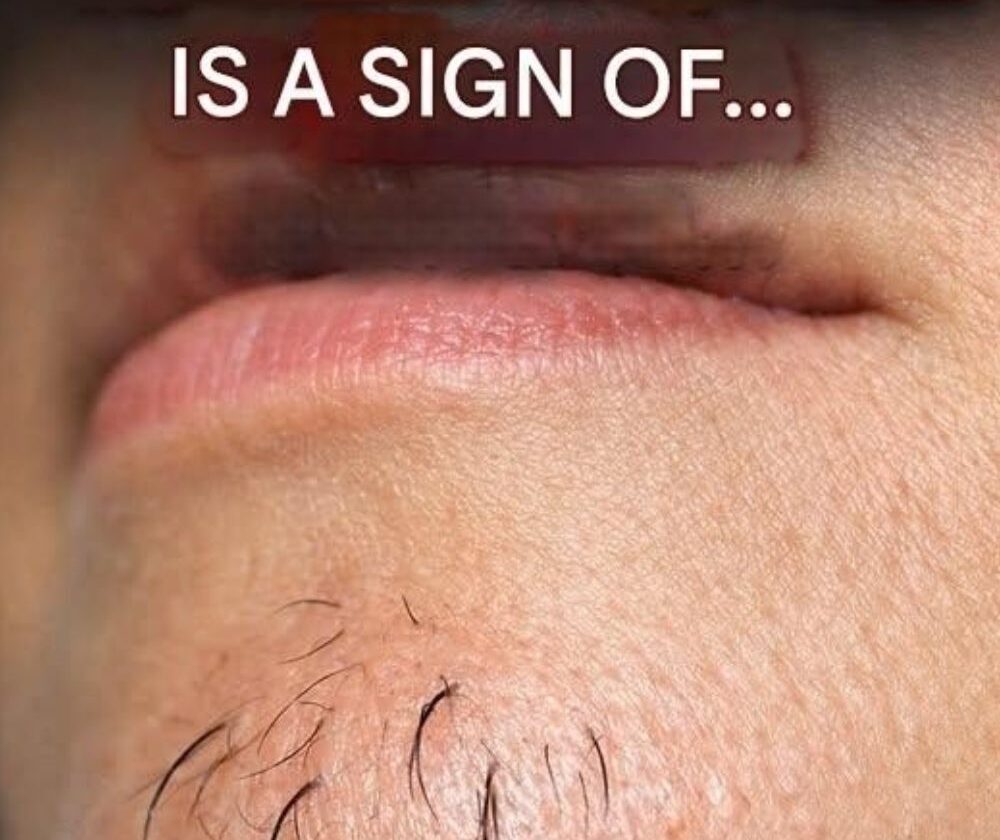
Finding chin whiskers can feel surprising—even frustrating—but here’s the truth: it’s far more common than most women think. Whether it’s a few fine hairs or more noticeable growth, facial hair is often a natural part of the body’s hormonal balance. Still, because of beauty standards and social expectations, it can sometimes feel like something you’re dealing with alone.
In reality, chin hair is often linked to hormones, genetics, and overall health, and understanding the root cause can make it much easier to manage. If you’re looking for answers—from why it happens to the best ways to remove or reduce it—this guide breaks it all down in a clear, practical way.
Why You’ll Love This Guide
- ✔️ Explains the real causes of chin hair in women
- ✔️ Covers hormones, PCOS, and genetics
- ✔️ Offers safe and effective hair removal options
- ✔️ Includes natural remedies and lifestyle tips
- ✔️ Helps you feel informed and confident
What Causes Chin Hair in Women?
Chin hair grows just like any other hair on your body, following a natural cycle:
- Growth phase (anagen)
- Transition phase (catagen)
- Resting phase (telogen)
The key driver behind facial hair growth is androgens—hormones like testosterone. While women naturally produce small amounts, higher levels or increased sensitivity can lead to more visible hair.
Hormonal Influences: A Major Factor
Hormonal shifts are one of the most common reasons for chin whiskers.
- Polycystic Ovary Syndrome can increase androgen levels, causing excess facial hair (hirsutism)
- Menopause can reduce estrogen, making hair more noticeable
- Hormonal medications may also influence hair growth
If hormones are out of balance, facial hair is often one of the first visible signs.
The Role of Genetics and Ethnicity
Sometimes, it’s simply in your DNA.
- Family history plays a big role
- Some ethnic backgrounds naturally have thicker or darker hair
- Hair follicles may be more sensitive to hormones
If relatives have experienced similar hair growth, chances are higher you might too.
Health Conditions Linked to Excess Facial Hair
While hormones and genetics are common causes, certain medical conditions may also contribute:
- Cushing’s syndrome (excess cortisol production)
- Hypothyroidism (slowed metabolism affecting hair growth)
- Adrenal gland disorders
If hair growth is sudden or severe, it’s worth getting checked by a healthcare provider.
How Chin Hair Can Affect Daily Life
For many women, chin whiskers are more than just a cosmetic issue. They can lead to:
- Self-consciousness
- Anxiety about appearance
- Frequent grooming routines
- Skin irritation
- Reduced confidence
These feelings are valid—but it’s also important to remember that this condition is common and manageable.
Emotional and Social Impact
Cultural beauty standards often emphasize smooth, hair-free skin, which can increase pressure and discomfort. This can lead to:
- Social hesitation
- Lower self-esteem
- Emotional stress
Thankfully, attitudes are changing. More conversations around body positivity and self-acceptance are helping redefine beauty standards.
Hair Removal Options
There’s no single “best” method—it depends on your skin type, hair thickness, and personal preference.
Short-Term Solutions
- Tweezing
- Waxing
- Shaving
- Depilatory creams
Long-Term Options
- Laser hair removal (reduces regrowth over time)
- Electrolysis (permanent solution)
- Prescription creams (slow hair growth)
Consulting a dermatologist can help you choose the safest and most effective option.
Natural Remedies & Lifestyle Tips
While not cures, these can support hormone balance:
- Maintain a healthy weight
- Eat a balanced, nutrient-rich diet
- Drink spearmint tea (may help reduce androgen effects)
- Manage stress through relaxation techniques
Small lifestyle changes can make a noticeable difference over time.
When to See a Doctor
You should seek medical advice if:
- Hair growth increases suddenly
- You have irregular periods
- Acne or weight gain appears
- Symptoms suggest hormonal imbalance
Early evaluation can help identify underlying conditions and guide proper treatment.
FAQ Section
Is chin hair normal in women?
Yes, it’s very common and often related to hormones or genetics.
Does chin hair mean I have PCOS?
Not necessarily, but it can be a symptom. A doctor can confirm with testing.
What is the best way to remove chin hair?
It depends—tweezing and shaving are quick fixes, while laser or electrolysis offer longer-term results.
Can diet help reduce facial hair?
A healthy diet may support hormone balance, but it won’t eliminate hair completely.
Is it okay to shave chin hair?
Yes. Shaving does not make hair grow back thicker—it’s a myth.
You May Also Like
- Hormone Balance Tips for Women
- Best Skincare Routine for Sensitive Skin
- Natural Ways to Improve Hair Growth
- Signs of Hormonal Imbalance
- Self-Care Tips for Confidence and Wellness
Final Thoughts
Chin whiskers are more common than most people realize—and they’re nothing to be ashamed of. Whether you choose to remove them or embrace them, the most important thing is making a decision that feels right for you.
With the right information and approach, you can manage facial hair confidently and comfortably—on your own terms.