
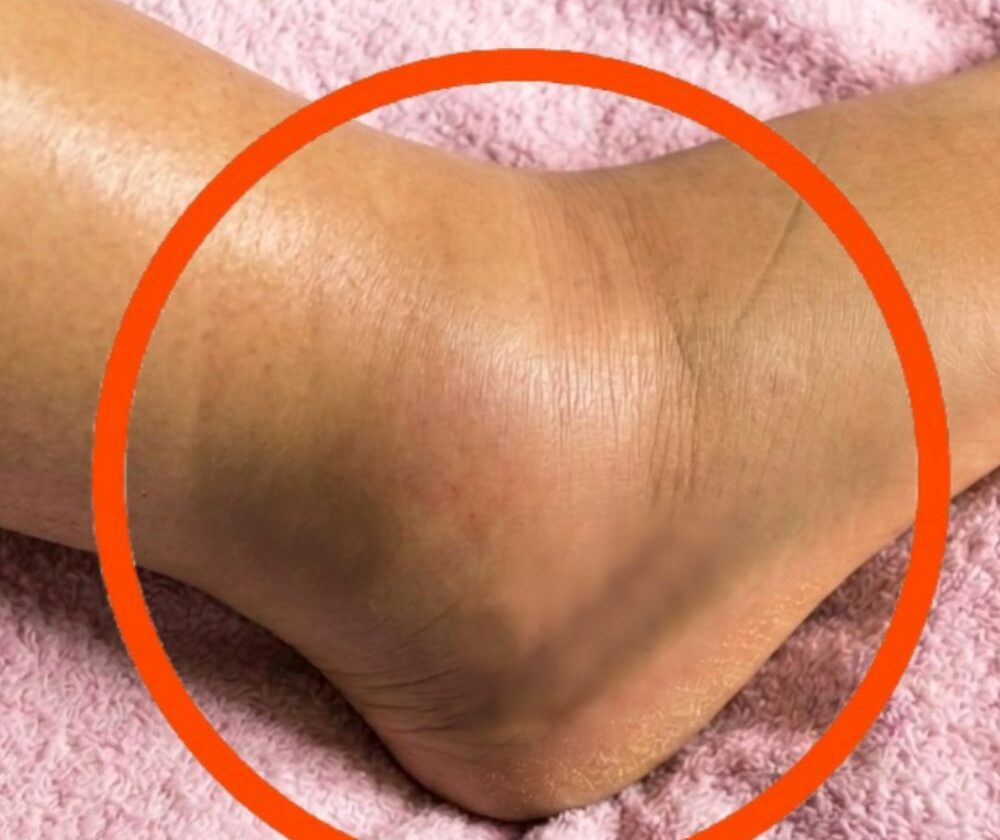
Swollen Ankles After Travel? Causes, Warning Signs & When to See a Doctor
Engaging Introduction
It started with something small—just a slightly puffy ankle after a long flight. No pain, no injury, nothing dramatic. Easy to ignore, right?
But sometimes, those subtle changes in your body are worth paying attention to. What seems like harmless swelling can occasionally signal something more serious. In today’s world—where long travel, sedentary jobs, and busy lifestyles are common—understanding symptoms like this is more important than ever for your health and wellness.
If you’ve ever noticed swelling in your legs or ankles and wondered whether it’s normal or something to worry about, this guide breaks it down clearly—what causes it, what’s harmless, and when it’s time to act.
Why You Should Pay Attention to Swollen Legs
- ✔️ Can be a normal response to travel or sitting too long
- ✔️ May signal underlying health conditions
- ✔️ Early detection can prevent serious complications
- ✔️ Helps you make better health and lifestyle decisions
- ✔️ Simple changes can often reduce symptoms quickly
What Is Edema?
Swelling in the legs or ankles is often caused by a condition called edema—a buildup of fluid in your body’s tissues.
Normally, your body maintains a balance of fluids through blood vessels and the lymphatic system. When that balance is disrupted, fluid collects—especially in the lower body due to gravity.
👉 Important: Edema itself isn’t a disease—it’s a symptom.
Common Causes of Swollen Legs
1. Long Periods of Sitting or Travel
This is the most common cause—especially after flights or desk work.
Signs:
- Swelling in both legs
- Improves with movement or elevation
2. High Salt Intake
Too much sodium causes your body to retain water.
Signs:
- Puffiness in hands and feet
- Temporary swelling
3. Medication Side Effects
Some medications can cause fluid retention.
Common types:
- Blood pressure medications
- Anti-inflammatory drugs
- Certain antidepressants
4. Venous Insufficiency
Weakened veins cause blood to pool in the legs.
Signs:
- Heavy, achy legs
- Swelling that worsens throughout the day
5. Pregnancy
Mild swelling is common, especially later in pregnancy.
⚠️ Sudden swelling in hands/face needs immediate attention.
6. Injury or Infection
Localized swelling due to inflammation.
Signs:
- Pain, redness, warmth
- Swelling in one specific area
🚨 Serious Causes You Should Never Ignore
1. Deep Vein Thrombosis (DVT)
A blood clot in the leg that can become life-threatening.
Red Flags:
- Swelling in one leg only
- Pain or tenderness
- Warmth or redness
- Recent travel or immobility
👉 Seek emergency care immediately
2. Heart Problems
Fluid buildup can occur if the heart isn’t pumping efficiently.
Signs:
- Swelling in both legs
- Shortness of breath
- Fatigue
3. Kidney Issues
Poor kidney function leads to fluid retention.
Signs:
- Swelling around eyes and legs
- Changes in urination
4. Liver Conditions
Low protein levels cause fluid leakage into tissues.
Signs:
- Abdominal swelling
- Yellowing of skin or eyes
Is This Related to Healthy Living?
Yes—your daily habits play a major role.
- Staying active improves circulation
- Balanced diet reduces fluid retention
- Hydration helps regulate body fluids
- Regular checkups catch issues early
Even small lifestyle changes can make a big difference in preventing swelling.
When to See a Doctor
Go to Emergency Care If:
- You have chest pain or trouble breathing
- You cough up blood
- One leg is swollen, red, and painful
Schedule a Doctor Visit If:
- Swelling lasts more than a few days
- It keeps coming back
- You have underlying health conditions
- The skin looks discolored or infected
Tips to Reduce Mild Swelling
- Elevate your legs above heart level
- Move regularly (especially during travel)
- Wear compression socks if recommended
- Reduce salt intake
- Stay hydrated
FAQ Section
1. Is swollen ankle after flying normal?
Yes, it’s common due to sitting for long periods—but it should improve within a day or two.
2. When is swelling dangerous?
If it’s one-sided, painful, or comes with breathing issues, seek medical help immediately.
3. How long should swelling last?
Mild swelling usually resolves within a few days. Persistent swelling needs evaluation.
4. Can dehydration cause swelling?
Yes—your body may retain fluid when dehydrated.
5. Should I worry if there’s no pain?
Not always, but persistent swelling without pain still needs attention.
You May Also Like
- Signs Your Body Needs More Hydration
- Easy Ways to Improve Circulation Naturally
- Healthy Travel Tips for Long Flights
- Simple Daily Habits for Better Heart Health
- Warning Signs You Should Never Ignore
Final Thoughts
Swollen legs and ankles are often harmless—but not always.
The key is awareness. Your body often gives subtle signals before bigger problems appear. Listening to those signals—and acting early—can make all the difference.
Don’t ignore persistent swelling. Don’t dismiss unusual symptoms. And most importantly, don’t hesitate to seek medical advice.
Because sometimes, what seems small… isn’t.