4. Alcohol: A Bigger Concern for Bone Health


Alcohol has a more established connection with poor bone health, particularly when consumed heavily.
Excessive alcohol consumption can interfere with calcium and vitamin D metabolism and may affect the cells responsible for building and maintaining bone tissue. Heavy drinking is also associated with a higher risk of falls, which can make fractures more likely.
For people concerned about osteoporosis or bone loss, reducing excessive alcohol consumption is an important part of a broader healthy lifestyle.
Consider Alcohol-Free Alternatives
You don’t have to make every social occasion feel restrictive. Sparkling water with citrus, alcohol-free cocktails, herbal tea, or flavored water can provide alternatives when you want something festive without alcohol.
If you drink alcohol, moderation is important.
5. Sugary or Highly Processed Fruit Drinks


Fruit juice has a healthier reputation than soda, but not every juice product is nutritionally equivalent.
Some bottled fruit drinks contain significant amounts of added sugar and may contain relatively little actual fruit. Drinking large amounts can increase your overall sugar intake without providing the benefits of eating whole fruit.
That doesn’t mean orange juice or another 100% fruit juice is inherently harmful to your bones. In fact, some juices are fortified with calcium and vitamin D.
The key is to check the nutrition label.
Whole Fruit Is Often the Better Choice
Whole oranges, berries, apples, and other fruits provide fiber that is largely lost during juicing.
For a nutrient-dense option, you can also make a smoothie using whole fruit, yogurt, milk, or a fortified plant-based beverage.
What Should You Drink for Better Bone Health?
There isn’t one magical beverage that can prevent bone loss.
Instead, focus on a pattern of healthy choices.
Water
Water should generally be your primary source of hydration. It contains no added sugar and helps maintain normal body functions.
Calcium-Fortified Beverages
Fortified soy milk and other calcium-fortified plant-based beverages can be useful options, particularly for people who don’t consume dairy.
Always check the nutrition label because nutrient levels vary between products.
Milk
Milk provides calcium and, depending on the product, vitamin D and protein.
Unsweetened Tea
Unsweetened tea can provide variety without adding large amounts of sugar.
Nutrient-Dense Smoothies
A homemade smoothie containing fruit plus yogurt, milk, or a fortified plant-based beverage can provide calcium, protein, and other nutrients.
Foods That Support Strong Bones
Your drinks are only one part of the equation.
A bone-friendly eating pattern can include a variety of calcium- and protein-rich foods.
Consider adding:
- Dairy products such as yogurt and milk
- Calcium-fortified plant-based beverages
- Tofu prepared with calcium
- Beans and legumes
- Leafy green vegetables
- Almonds and other nuts
- Canned fish with edible bones, such as sardines
- Eggs and other protein-rich foods
Vitamin D is also important because it helps the body absorb calcium.
Depending on where you live, sunlight exposure, diet, and supplements may all contribute to vitamin D status.
Exercise Matters for Bone Strength
Nutrition isn’t the only factor affecting bone health.
Weight-bearing and resistance exercise can help maintain bone strength and muscle function.
Activities may include:
- Walking
- Dancing
- Hiking
- Stair climbing
- Resistance training
- Bodyweight exercises
Balance and strength exercises can also be valuable because reducing the risk of falls is particularly important for older adults.
If you have osteoporosis, a history of fractures, or another medical condition affecting your bones, speak with a healthcare professional before beginning a new exercise program.
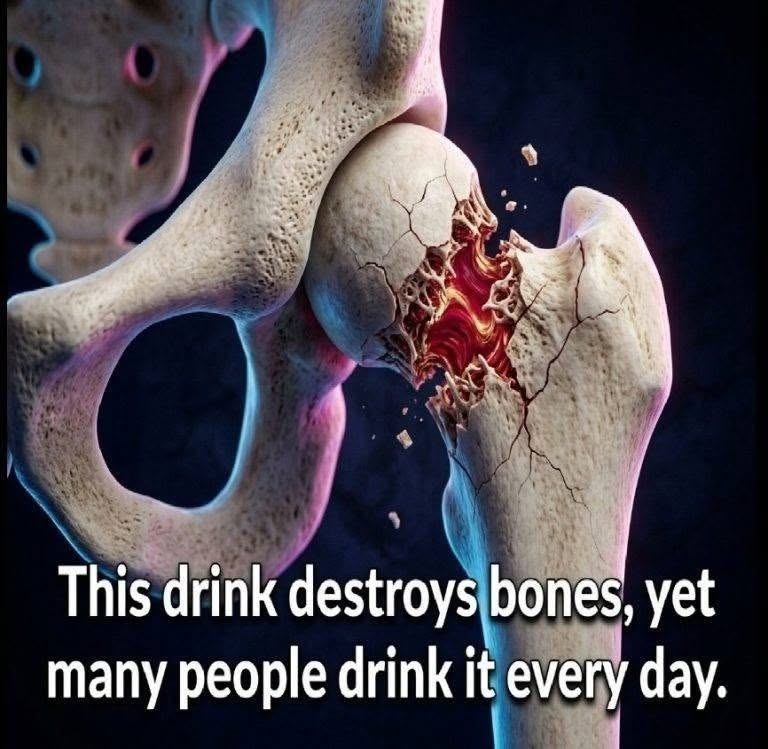
Are Sugary Drinks Really “Destroying” Your Bones?
This is where sensational headlines can become misleading.
Your skeleton doesn’t suddenly lose its minerals because you drink one soda, cup of coffee, or glass of juice.
Bone health develops over years and is influenced by numerous factors, including:
- Age
- Genetics
- Hormones
- Physical activity
- Calcium intake
- Vitamin D status
- Protein intake
- Smoking
- Alcohol consumption
- Certain medications
- Overall health
That’s why it’s more useful to think about long-term habits rather than labeling a single beverage as a “bone-destroying” drink.
Simple Daily Habits for Healthier Bones
You don’t need a complicated routine.
A few practical habits can make your overall diet more supportive of bone health:
Drink mostly water. Keep a reusable water bottle nearby so hydration becomes automatic.
Prioritize calcium-rich foods. Include a source of calcium at meals when possible.
Get enough protein. Protein contributes to the structure and maintenance of bones and muscles.
Limit excessive alcohol. Heavy drinking can negatively affect bone health and increase fall risk.
Watch added sugars. Soft drinks and sweetened beverages can add significant calories without providing many essential nutrients.
Stay active. Walking and resistance exercises are excellent additions to a healthy lifestyle.
Don’t smoke. Smoking is an established risk factor for poor bone health.
Frequently Asked Questions
Can drinking soda cause osteoporosis?
Drinking soda alone does not automatically cause osteoporosis. However, frequent consumption—especially when it replaces nutritious foods and beverages—may contribute to a dietary pattern that is less supportive of bone health.
Is coffee bad for your bones?
Moderate coffee consumption can generally fit into a healthy diet. Caffeine can slightly increase calcium loss, so people who consume large amounts of caffeine should make sure they get adequate calcium.
Is alcohol bad for bone density?
Heavy alcohol consumption can negatively affect bone health and increase fracture risk. Limiting alcohol is an important part of maintaining healthy bones.
What is the best drink for bone health?
There is no single best drink. Water is an excellent everyday choice, while milk and calcium- or vitamin-D-fortified beverages can help provide nutrients important for bone health.
Can I drink fruit juice if I’m worried about my bones?
Yes, in moderation. Look for 100% fruit juice or products fortified with calcium and vitamin D, and remember that whole fruit generally provides more fiber and is often the better everyday choice.
The Bottom Line
Strong bones aren’t built by avoiding one particular drink. They’re supported by years of consistent habits.
If you regularly consume large amounts of sugary soft drinks, energy drinks, alcohol, or heavily sweetened beverages, replacing some of them with water and nutrient-rich alternatives can be a worthwhile step.
At the same time, don’t overlook the bigger picture: adequate calcium and vitamin D, enough protein, regular weight-bearing exercise, healthy body weight, and avoiding smoking all play important roles in maintaining bone health.
Your bones quietly support you every day. Taking care of them doesn’t require extreme rules—it starts with simple, sustainable choices that you can maintain for years.