5 Drinks That May Quietly Weaken Your Bones Over Time
Strong bones are easy to take for granted — until they start becoming fragile. From supporting movement to protecting vital organs, your bones work constantly behind the scenes. But bone health isn’t only about aging. Daily habits, especially what you drink, can slowly influence bone density for better or worse.
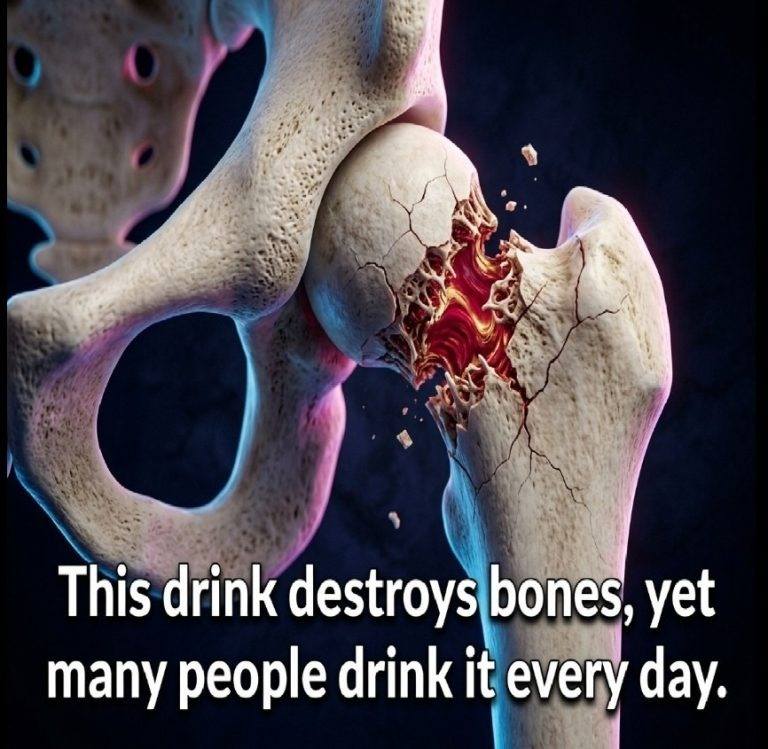
Many people focus on calcium supplements or exercise while overlooking something equally important: the beverages they consume every day. Certain drinks can interfere with calcium absorption, contribute to mineral loss, or affect vitamin D balance over time. The changes often happen gradually and silently, without obvious symptoms in the beginning.
The good news is that awareness makes a difference. Understanding which drinks may negatively affect bone health can help support stronger bones, better mobility, and healthier aging in the long run.
Why Bone Health Matters More Than You Think
Bones are living tissue. They constantly rebuild and repair themselves through a process called remodeling. To stay strong, the body needs:
- Calcium
- Vitamin D
- Magnesium
- Phosphorus
- Protein
- Regular movement and weight-bearing exercise
When this balance is disrupted repeatedly — through poor nutrition, inactivity, smoking, or excessive intake of certain beverages — bone density may slowly decline. Over time, this can increase the risk of:
- Osteoporosis
- Fractures
- Joint discomfort
- Reduced mobility
- Posture changes
While no single food or drink instantly damages bones, long-term habits matter.
1. Carbonated Soft Drinks
The Calcium Balance Problem
Soft drinks are among the most commonly discussed beverages when it comes to bone health concerns.
Many colas contain phosphoric acid, which may interfere with the body’s calcium balance when consumed in excess. Some researchers believe that consistently high phosphorus intake combined with low calcium intake may contribute to gradual bone mineral loss.
Another concern is displacement. People who drink large amounts of soda may consume fewer calcium-rich beverages like milk or fortified alternatives.
Why Excess Soda May Be Problematic
- High added sugar intake
- Phosphoric acid content
- Possible reduction in calcium-rich foods
- Increased inflammation associated with sugary diets
Diet sodas are not necessarily harmless substitutes either. While they contain less sugar, some still include acids and additives that may not support long-term bone health when heavily consumed.
Healthier Alternatives
Try replacing some soda intake with:
- Sparkling water
- Mineral water
- Unsweetened iced tea
- Fruit-infused water
2. Excessive Alcohol
Moderate alcohol consumption may fit into a balanced lifestyle for some adults, but heavy drinking has been linked to weaker bones and increased fracture risk.
Alcohol can interfere with:
- Vitamin D activation
- Calcium absorption
- Hormonal balance involved in bone rebuilding
Long-term excessive alcohol use may also increase inflammation and impair the body’s ability to form new bone tissue efficiently.
Signs Heavy Alcohol Use May Affect Bone Health
- Frequent falls
- Muscle weakness
- Poor nutrition
- Slow healing after injury
Limiting alcohol and prioritizing nutrient-rich foods can help support stronger bones over time.
3. Highly Sugary Coffee Drinks
Coffee itself in moderate amounts is not necessarily harmful for bones. In fact, research on caffeine and bone health is mixed.
The bigger concern often comes from oversized, sugar-heavy coffee beverages loaded with:
- Syrups
- Sweetened creamers
- Whipped toppings
- Added sugars
Very high caffeine intake may slightly increase calcium loss through urine, especially if calcium intake is already low.
Better Choices
- Drink coffee in moderation
- Pair caffeine with calcium-rich foods
- Reduce added sugars and syrups
- Stay hydrated throughout the day
For most healthy adults, moderate coffee intake combined with adequate calcium is unlikely to severely affect bone density.
4. Energy Drinks
Energy drinks combine multiple concerns into one beverage:
- High caffeine
- Excess sugar
- Artificial additives
- Acidic ingredients
Large amounts of caffeine may interfere with calcium balance in sensitive individuals, while the sugar content may contribute to inflammation and poor overall nutrition habits.
Younger adults and teenagers who rely heavily on energy drinks may be especially vulnerable if their diets lack essential nutrients needed during peak bone-building years.
Potential Risks of Frequent Energy Drink Consumption
- Sleep disruption
- Poor nutrient absorption
- Increased dehydration risk
- Elevated stress hormone levels
Replacing energy drinks with proper hydration, balanced meals, and healthy sleep habits offers much better long-term support for overall wellness.
5. Excessively Sweetened Fruit Drinks
Many bottled fruit punches, juice cocktails, and sweetened beverages appear healthy at first glance but may contain large amounts of added sugar with very little real nutrition.
Diets consistently high in sugar have been associated with:
- Increased inflammation
- Poor dietary quality
- Mineral imbalance
- Reduced intake of nutrient-rich foods
While natural fruit juice in moderation can provide vitamins, heavily processed sugary drinks should not replace water or balanced meals.
Smarter Options
Choose:
- Whole fruit instead of sugary juice blends
- Diluted juice
- Unsweetened beverages
- Water with citrus or berries
Is Bone Loss Reversible?
Bone health can often improve with healthy lifestyle changes, especially when addressed early.
Important habits include:
- Weight-bearing exercise
- Strength training
- Calcium-rich foods
- Vitamin D support
- Adequate protein
- Limiting smoking and excessive alcohol
Bone density naturally changes with age, but consistent healthy choices can help slow decline and support stronger aging.
Best Drinks for Bone Health
If you want to support healthier bones, focus more often on beverages like:
Milk or Fortified Plant Milks
Provide calcium and vitamin D.
Water
Supports every system in the body without added sugars or acids.
Smoothies with Yogurt and Greens
Can provide calcium, magnesium, and protein.
Mineral Water
Some varieties naturally contain calcium and magnesium.
Unsweetened Herbal Tea
Hydrating and lower in additives.
Lifestyle Habits That Support Strong Bones
Drinks are only one piece of the puzzle. Bone health also depends on:
- Regular movement
- Resistance exercise
- Balanced nutrition
- Healthy body weight
- Quality sleep
- Sunlight exposure for vitamin D
Even small daily habits can make a meaningful difference over time.
FAQ
Do soft drinks directly cause osteoporosis?
Not directly, but excessive soda consumption combined with poor nutrition may contribute to weaker bones over time.
Is coffee bad for bone health?
Moderate coffee intake is usually fine for most adults when calcium intake is adequate.
What nutrient matters most for bones?
Calcium and vitamin D are especially important, but magnesium, protein, and exercise also play major roles.
Can older adults improve bone strength?
Yes. Nutrition, exercise, and medical guidance can help maintain and sometimes improve bone health.
What is the healthiest drink for bones?
Water, milk, fortified plant beverages, and nutrient-rich smoothies are excellent choices.
Final Thoughts
Bone health is built quietly through everyday choices. The beverages we consume regularly may seem harmless in the moment, but long-term habits can gradually shape strength, mobility, and overall wellness.
That doesn’t mean you must completely avoid every soda or sweet drink forever. The goal is balance, awareness, and consistency.
Small changes — drinking more water, reducing sugary beverages, improving calcium intake, and staying active — can help support stronger bones for years to come.
Healthy aging often starts with simple daily decisions, one sip at a time.