Many people have experienced this moment.
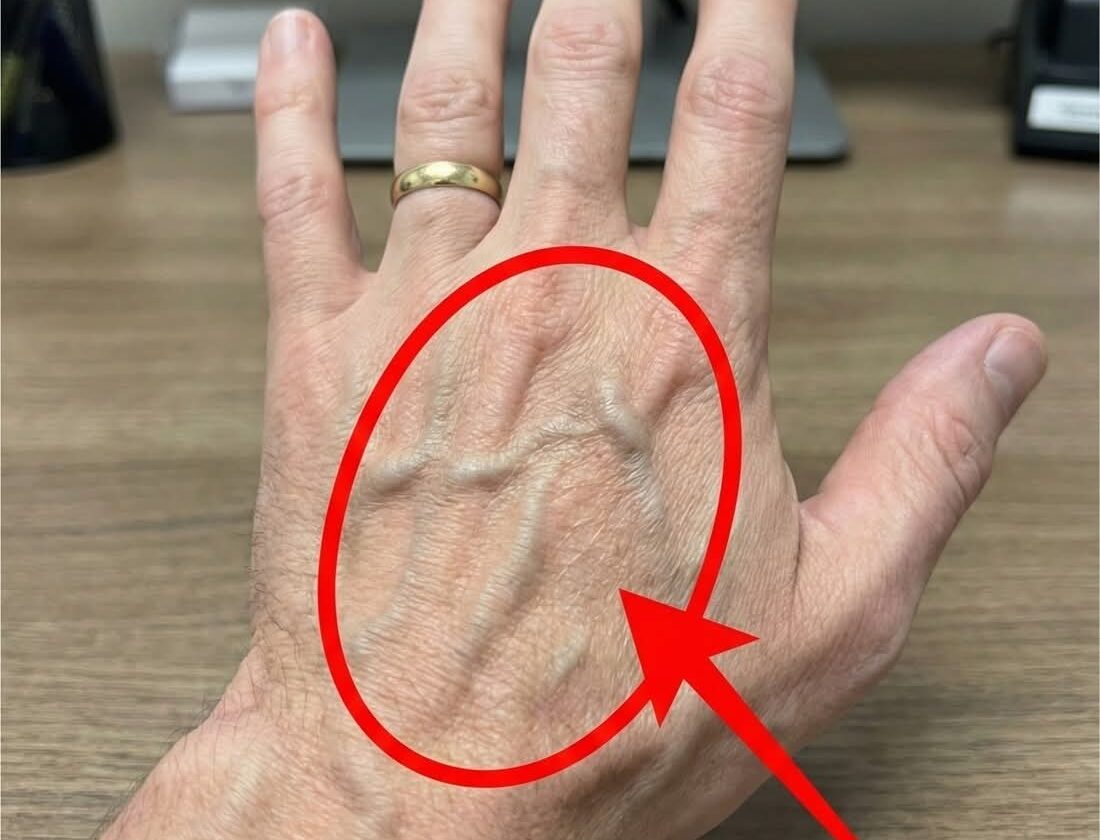
You look down at your hands, arms, or legs… and suddenly notice blue or green veins standing out more than usual.
For some, it’s alarming. Questions start racing through the mind:
Is this a circulation problem?
Is something wrong with my heart?
Should I be worried?
The truth might surprise you.
In most cases, visible veins are completely normal and often reveal more about your body composition, lifestyle, and genetics than about any serious health problem.
Understanding why veins become visible can help you separate harmless changes from signs that truly deserve medical attention.
Why Veins Become More Visible
Veins are responsible for carrying blood back to the heart after oxygen has been delivered throughout the body.
Unlike arteries, veins sit closer to the surface of the skin. Because of this, certain factors can make them appear more noticeable.
Here are the most common reasons:
1. Low Body Fat
People with lower body fat percentages naturally have more visible veins.
With less fat between the skin and blood vessels, veins appear closer to the surface. This is why athletes and physically lean individuals often have more noticeable veins.
2. Exercise and Athletic Conditioning
If you’ve ever noticed your veins popping after a workout, you’re not imagining things.
During exercise:
- Blood flow increases
- Muscles expand
- Veins move closer to the skin
This creates the familiar “vascular” look that many athletes have.
In fact, for many people, visible veins are actually a sign of strong circulation and good fitness.
3. Aging
As we age, our skin naturally becomes thinner and less elastic.
This makes the veins underneath easier to see, especially on the hands, arms, and legs.
While it may seem surprising, this is a completely normal part of the aging process.
4. Genetics
Some people simply inherit more visible veins.
If you have:
- fair skin
- thin skin
- a family history of prominent veins
you’re more likely to notice them.
For many people, this is just a natural body trait—not a health concern.
Everyday Things That Make Veins Pop Out
Sometimes veins appear suddenly more noticeable due to temporary changes in your body or environment.
These include:
Heat
Warm weather, hot baths, or saunas cause blood vessels to expand (vasodilation) so the body can release heat.
This can temporarily make veins look larger and darker.
Physical Activity
Exercise increases circulation and muscle size, which can push veins closer to the surface of the skin.
That’s why many people see veins right after a workout but not later.
Dehydration
When the body is slightly dehydrated, blood volume may decrease slightly, sometimes making veins more pronounced.
Drinking water usually helps normalize things quickly.
The Biggest Myth About Visible Veins
One of the most common misconceptions is:
“Visible veins mean poor circulation.”
In reality, the opposite is often true.
Healthy circulation can actually make veins more visible, especially in people who are lean or physically active.
What Poor Circulation Really Looks Like
If circulation problems are present, they usually cause different symptoms, including:
- Constantly cold hands or feet
- Skin turning bluish or pale
- Numbness or tingling
- Slow-healing cuts or wounds
- Persistent fatigue in the legs
These symptoms—not visible veins—are the ones doctors pay closer attention to.
When Visible Veins Might Signal a Problem
Although most visible veins are harmless, there are situations where medical evaluation may be important.
Varicose Veins
These appear as large, swollen, twisted veins, often in the legs.
They can sometimes cause:
- aching
- heaviness
- swelling
- itching
Varicose veins occur when valves inside the veins weaken, allowing blood to pool.
Chronic Venous Insufficiency
This condition occurs when veins struggle to send blood back to the heart effectively.
Symptoms may include:
- swelling in the legs
- skin discoloration
- thickened skin
- slow-healing sores
Warning Signs That Need Medical Attention
You should consult a healthcare professional if you notice:
- sudden swelling in one leg
- warmth or pain along a vein
- a vein that becomes hard and tender
- unexplained sores near the ankles
- severe swelling or skin changes
These symptoms may signal conditions like deep vein thrombosis (DVT) and should never be ignored.
Simple Ways to Support Healthy Veins
Keeping your circulatory system healthy doesn’t require complicated treatments.
Simple habits can make a big difference:
✔ Walk, swim, or cycle regularly
✔ Maintain a healthy weight
✔ Stay well hydrated
✔ Avoid sitting or standing for long periods
✔ Elevate your legs when resting
✔ Consider compression stockings if swelling occurs
Some herbal remedies like horse chestnut or grape seed extract are sometimes promoted for vein health, but they should only be used after speaking with a healthcare professional.
The Bottom Line
Seeing visible veins can feel unsettling at first—but most of the time, they are a completely normal part of how your body works.
They often reflect:
- genetics
- fitness level
- body fat percentage
- aging
- environmental factors like heat
Unless they come with pain, swelling, or skin changes, visible veins are usually nothing to worry about.
Sometimes those blue lines are simply a reminder that your circulatory system is doing exactly what it’s supposed to do—keeping your body moving and healthy every day.
✅ Suggested Viral Facebook Caption
You notice your veins suddenly becoming more visible… should you worry? Doctors say the truth is far less scary than most people think.