
Dark Patches on the Neck: Could It Be Acanthosis Nigricans? Signs, Causes, and When to See a Doctor
Subtitle: A Dark Neck Isn’t Always Dirt—Here’s What Your Skin Could Be Trying to Tell You
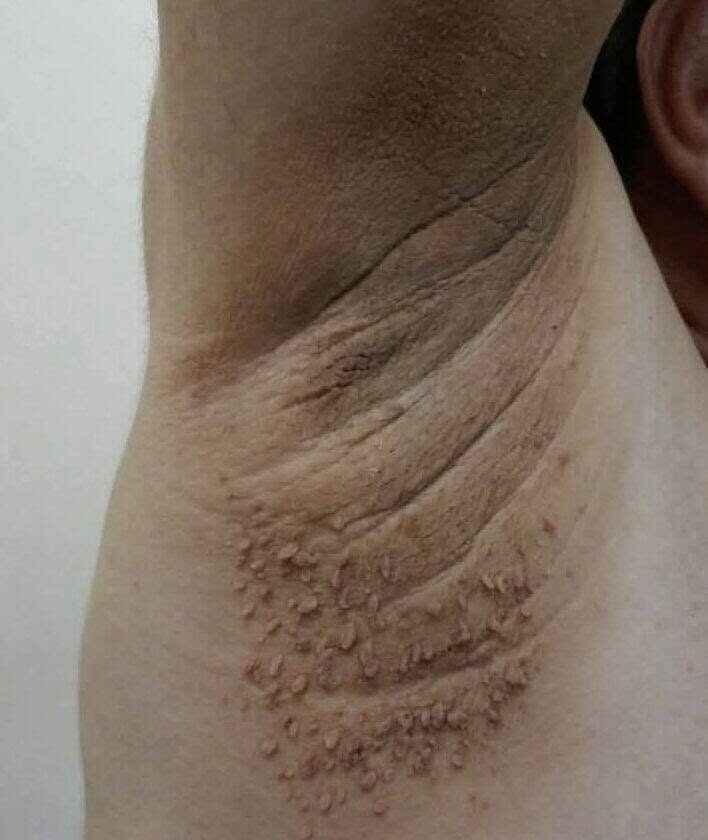
Have you ever noticed dark, velvety patches on the back of your neck or under your arms that don’t disappear, no matter how much you scrub? While many people assume it’s simply dirt or poor hygiene, persistent dark patches can sometimes be a sign of an underlying health condition.
One condition that often causes these skin changes is acanthosis nigricans, a common skin disorder that is frequently associated with insulin resistance, prediabetes, type 2 diabetes, and obesity. However, it’s important to remember that not every dark patch on the skin is acanthosis nigricans, and only a qualified healthcare professional can make an accurate diagnosis.
Understanding the possible causes can help you know when it’s time to seek medical advice and take steps toward better health.
What Is Acanthosis Nigricans?
Acanthosis nigricans is a skin condition that causes dark, thickened, velvety patches to develop in areas where skin folds together.
The most common locations include:
- Back of the neck
- Armpits
- Groin
- Elbows
- Knees
- Knuckles
The affected skin often feels slightly thicker than the surrounding area and has a smooth, velvety texture.
Unlike ordinary dirt or dead skin buildup, these patches cannot be washed away with soap or vigorous scrubbing.
What Causes Acanthosis Nigricans?
Acanthosis nigricans itself is not a disease, but rather a sign that another condition may be affecting the body.
Common causes include:
1. Insulin Resistance
The most frequent cause is insulin resistance, where the body’s cells don’t respond effectively to insulin.
This can occur in:
- Prediabetes
- Type 2 diabetes
- Metabolic syndrome
Higher insulin levels may stimulate skin cells to grow more rapidly, resulting in the characteristic dark patches.
2. Obesity
People who are overweight or obese are more likely to develop insulin resistance, making acanthosis nigricans more common in this group.
Weight management may help improve both insulin sensitivity and the appearance of the skin.
3. Hormonal Disorders
Certain hormonal conditions may also contribute, including:
- Polycystic ovary syndrome (PCOS)
- Cushing syndrome
- Thyroid disorders
4. Certain Medications
Less commonly, some medications can contribute to acanthosis nigricans, including certain hormone therapies and corticosteroids.
5. Rare Medical Conditions
In rare cases, acanthosis nigricans can be associated with certain internal diseases, including some cancers, particularly when it develops suddenly, spreads rapidly, or occurs in individuals without obesity or insulin resistance.
Symptoms to Watch For
Common features include:
- Dark brown or black patches
- Thickened skin
- Velvety texture
- Gradual appearance
- Usually painless
- Usually not itchy
If the affected area becomes painful, itchy, bleeds, or changes rapidly, medical evaluation is recommended because another skin condition may be responsible.
Dark Neck Doesn’t Always Mean Diabetes
Although acanthosis nigricans is strongly associated with insulin resistance, not every dark neck is caused by diabetes.
Other possible causes include:
Terra Firma-Forme Dermatosis (TFFD)
This harmless skin condition creates brown or black patches that resemble dirt.
Unlike acanthosis nigricans, TFFD often improves when gently cleaned with 70% isopropyl alcohol under the guidance of a healthcare professional.
Eczema
Eczema may cause darkened skin after inflammation, especially if accompanied by itching, redness, or repeated scratching.
Friction
Repeated rubbing from clothing, jewelry, or skin folds may also lead to skin darkening over time.
A healthcare provider can determine the correct cause through an examination.
Could It Be an Early Sign of Diabetes?
For some people, especially those with obesity or a family history of diabetes, acanthosis nigricans can be one of the earliest visible signs of insulin resistance.
However, it does not diagnose diabetes by itself.
Your doctor may recommend blood tests such as:
- Fasting blood glucose
- HbA1c
- Oral glucose tolerance test (when appropriate)
These tests provide a much more accurate picture of blood sugar control.
Advertisement Opportunity
What Should You Do If You Notice These Patches?
If you notice persistent dark patches that don’t wash away:
- Schedule an appointment with your healthcare provider.
- Discuss your personal and family history of diabetes.
- Ask whether blood sugar testing is appropriate.
- Maintain a healthy diet and regular physical activity.
- Avoid harsh scrubbing, which can irritate the skin.
Early evaluation can help identify underlying conditions before more serious health problems develop.
Can Acanthosis Nigricans Be Treated?
Treatment focuses on addressing the underlying cause.
Depending on the diagnosis, improvement may occur through:
- Better blood sugar control
- Weight management
- Treatment of hormonal disorders
- Adjusting medications if appropriate
Some dermatologic treatments may also help improve the appearance of the skin, but treating the underlying condition is usually the most important step.
Estimated Health Benefits of Early Detection
Recognizing acanthosis nigricans early may help identify conditions such as:
- Prediabetes
- Type 2 diabetes
- Insulin resistance
- Metabolic syndrome
Early diagnosis allows healthcare providers to recommend lifestyle changes or treatment that may reduce the risk of future complications.
Frequently Asked Questions
Is acanthosis nigricans contagious?
No. It cannot spread from one person to another.
Can I scrub the dark patches away?
No. Unlike dirt, acanthosis nigricans does not disappear with washing or scrubbing.
Does everyone with a dark neck have diabetes?
No. Several skin conditions can cause dark patches, so a medical evaluation is needed to determine the cause.
Can children develop acanthosis nigricans?
Yes. Children, especially those who are overweight or have insulin resistance, can develop the condition. A healthcare provider should evaluate persistent skin changes.
Should I check my blood sugar?
If you notice new, persistent dark patches—particularly if you have risk factors for diabetes—it is reasonable to discuss blood sugar testing with your healthcare provider.
You May Also Like
- Early Warning Signs of Type 2 Diabetes
- Prediabetes Symptoms You Should Never Ignore
- Healthy Habits That Help Control Blood Sugar
- Foods That Support Healthy Blood Glucose Levels
- Understanding Insulin Resistance
- Common Skin Changes That May Signal Health Conditions
Final Thoughts
Dark patches on the neck or under the arms are not always caused by poor hygiene. In some cases, they may be a sign of acanthosis nigricans, a skin condition often linked to insulin resistance and type 2 diabetes. However, several other harmless skin conditions can look very similar.
The best approach is not to panic or self-diagnose. If you notice persistent skin changes that don’t improve, consult a healthcare professional for an accurate diagnosis. Early evaluation can help identify underlying health conditions and provide the opportunity for timely treatment, improving both your skin health and your overall well-being.