
SEO Title:
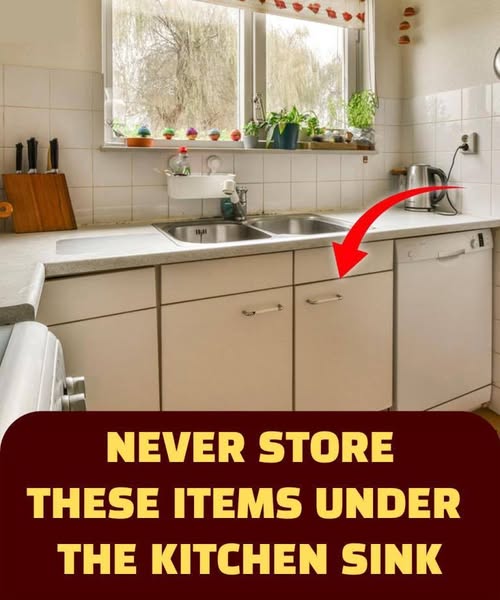
7 Things You Should Never Store Under Your Kitchen Sink (Most People Do)
Engaging Introduction
Take a look under your kitchen sink right now. Chances are, it’s packed with cleaning sprays, extra paper towels, grocery bags, random tools, and maybe even a few mystery items you forgot were there. It feels like the perfect storage space — hidden, convenient, and close to where you clean every day.
But here’s the problem: the cabinet under your kitchen sink is also one of the dampest, most accident-prone areas in your home. Between leaking pipes, trapped humidity, temperature changes, and limited ventilation, that small space can quietly become a serious household safety risk.
Many people don’t realize that storing the wrong items under the sink can lead to mold, chemical hazards, ruined supplies, pest problems, and even fire risks. The good news? A few simple changes can make your kitchen safer, cleaner, and much easier to organize.
Why Under-Sink Storage Can Be Risky
- Moisture builds up easily around plumbing
- Leaks often go unnoticed for weeks
- Humidity damages paper, food, and electronics
- Chemical products may release fumes
- Clutter increases fire and injury risks
1. Strong Chemicals and Cleaning Products
It may seem logical to keep cleaning products near the sink, but some chemicals become risky in enclosed, humid spaces.
Products like:
- Drain cleaners
- Oven cleaners
- Bleach
- Ammonia-based cleaners
can release fumes over time, especially when exposed to heat or moisture.
Even more dangerous, leaking containers can accidentally mix together. Combining bleach and ammonia, for example, creates toxic chloramine gas that can seriously irritate the lungs and breathing passages.
Safer Storage Tip
Store strong household chemicals:
- In a cool, dry area
- On a high shelf
- Away from children and pets
- In a well-ventilated utility closet
2. Powdered Products
Powdered products absorb moisture surprisingly fast under the sink.
This includes:
- Baking soda
- Powdered detergents
- Cleaning powders
- Drain treatment powders
Humidity from plumbing can:
- Turn powders into hard clumps
- Reduce effectiveness
- Cause chemical breakdown
- Create dusty residue
Even minor pipe condensation can slowly damage these products over time.
3. Batteries
Loose batteries should never be stored in damp kitchen cabinets.
Moisture exposure can cause batteries to:
- Corrode
- Leak chemicals
- Overheat
- Short-circuit
Lithium-ion battery products can pose especially serious fire risks if damaged or exposed to heat and moisture.
Better Storage Option
Keep batteries:
- In a cool, dry drawer
- Inside protective containers
- Away from metal objects
- Properly recycled when old or damaged
4. Paper Products and Cardboard
Paper towels, manuals, grocery bags, and cardboard boxes absorb moisture extremely easily.
Over time, damp paper products can lead to:
- Mold growth
- Musty smells
- Cabinet damage
- Pest infestations
Even without a visible leak, humidity alone can slowly ruin paper items stored under the sink.
5. Food and Pet Food
Many people store pet food, snacks, or baking ingredients under the sink because it seems convenient.
But under-sink cabinets are often:
- Warm
- Dark
- Humid
- Attractive to pests
Even sealed packaging can become compromised over time.
Items especially vulnerable include:
- Flour
- Rice
- Pet food
- Spices
- Grains
These should always be kept in dry pantry spaces with airtight storage.
6. Medicine and Vitamins
Bathrooms and under-sink cabinets are two of the worst places to store medications.
Humidity and temperature fluctuations can reduce the effectiveness of:
- Prescription medications
- Vitamins
- Supplements
- Over-the-counter medicine
There’s also a safety concern, since under-sink cabinets are often accessible to:
- Children
- Pets
- Guests
Safer Storage Recommendation
Keep medications:
- In a cool, dry cabinet
- Away from moisture
- Properly secured if children are present
7. Sharp Tools and Blades
Scissors, utility knives, scrapers, and other sharp objects can become dangerous in cluttered under-sink spaces.
People reaching blindly into cabinets can easily suffer:
- Cuts
- Scrapes
- Hand injuries
This becomes especially risky for:
- Children
- Older adults
- Guests unfamiliar with the cabinet contents
What Should You Store Under the Kitchen Sink?
The safest approach is to keep under-sink storage simple and organized.
Good Under-Sink Storage Ideas:
- Waterproof bins
- Extra sponges
- Dish soap
- Garbage bags
- Sealed cleaning cloths
- Small organized caddies
The goal is minimizing moisture-sensitive or hazardous items.
Smart Kitchen Organization Tips
Use Waterproof Containers
Plastic bins help protect items from leaks and condensation.
Keep Everything Visible
Avoid deep clutter where forgotten items can become hazards.
Separate Cleaning Products
Never allow chemicals to sit where leaks could mix substances together.
Install Small Organizers
Door racks, baskets, and pull-out shelves improve visibility and airflow.
Check for Leaks Regularly
Inspect pipes and cabinet corners every few weeks for:
- Moisture
- Mold
- Water stains
- Musty smells
Why Moisture Under the Sink Is So Common
Many homeowners underestimate how much moisture naturally forms under sinks.
Common causes include:
- Pipe condensation
- Tiny leaks
- Humid kitchen air
- Poor ventilation
- Dishwashing steam
Over time, even small amounts of hidden moisture can damage cabinets and stored items.
Signs Your Under-Sink Cabinet May Have a Problem
Watch for:
- Musty odors
- Soft cabinet flooring
- Water stains
- Mold spots
- Rust on metal items
- Warped wood
- Peeling shelf liner
Catching problems early can help prevent expensive repairs later.
FAQ Section
Why shouldn’t chemicals be stored under the sink?
Humidity and leaks can cause chemical containers to deteriorate or accidentally mix dangerous substances.
Is it safe to store paper towels under the sink?
Paper products easily absorb moisture and may develop mold or odors over time.
Can batteries become dangerous under the sink?
Yes. Damp conditions may cause batteries to corrode, leak, or overheat.
What’s the safest thing to store under the kitchen sink?
Waterproof, non-sensitive items like sealed garbage bags or dish soap are generally safest.
How can I reduce moisture under my sink?
Regularly check for leaks, improve ventilation, and use waterproof organizers or moisture absorbers.
You May Also Like
- Common Kitchen Cleaning Mistakes That Damage Your Home
- Household Items You Should Never Store in the Bathroom
- Easy Home Organization Tips for Small Kitchens
- Hidden Fire Hazards Most Families Overlook
- Smart Storage Ideas for Safer Homes
- Simple Ways to Prevent Mold and Moisture Damage
Final Thoughts
The cabinet under your kitchen sink may seem like harmless storage space, but it’s actually one of the most moisture-prone areas in the home.
A few thoughtful changes can help prevent:
- Mold
- Chemical hazards
- Fire risks
- Pest problems
- Damaged household supplies
Sometimes improving home safety doesn’t require expensive renovations or complicated systems.
Sometimes it simply starts with asking:
“Does this really belong under the sink?”