
🧠 Why Walnuts Are Good for Brain Health (Science-Backed Benefits + Easy Ways to Eat Them)
There’s a small moment of wonder when you crack open a walnut.
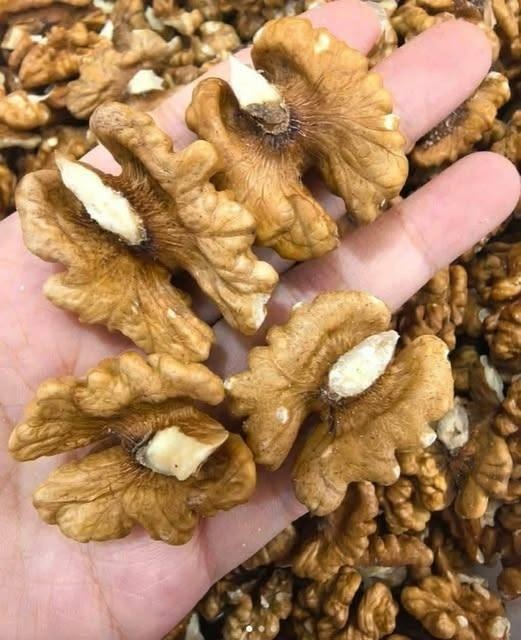
Its shape—wrinkled, divided into two halves—looks strikingly similar to the human brain.
For centuries, this resemblance fueled the ancient Doctrine of Signatures, the belief that foods resembling body parts could support them. While that idea began as poetic intuition, modern science has taken a closer look…
…and surprisingly, walnuts really do support brain health.
If you’re looking for a simple, affordable way to nourish your memory, mood, and long-term cognitive function, walnuts might be one of the easiest habits to start today.
🌰 Why Walnuts Are a Brain Superfood
Walnuts aren’t just nutritious—they’re uniquely designed (nutritionally speaking) to support the brain.
1. Rich in Plant-Based Omega-3s (ALA)
Walnuts are the only nut high in alpha-linolenic acid (ALA), a type of omega-3 fatty acid.
Why it matters:
- Supports brain cell structure
- Helps reduce inflammation
- May lower risk of cognitive decline
👉 Just 1 ounce (about 7 walnuts) delivers ~2.5g of ALA—close to your daily needs.
2. Loaded with Antioxidants
Walnuts rank among the highest antioxidant foods in the nut family.
Why it matters:
- Protects brain cells from oxidative stress
- May help slow brain aging
- Supports long-term neurological health
These compounds can even cross the blood-brain barrier, offering direct protection where it counts.
3. Supports the Gut–Brain Connection
Your gut and brain are constantly communicating.
Why it matters:
- Walnuts feed beneficial gut bacteria
- These bacteria produce compounds that influence mood and cognition
- May improve mental clarity and resilience to stress
4. May Improve Memory & Focus
The combination of omega-3s + antioxidants + anti-inflammatory compounds creates a powerful effect.
Research suggests:
- Better memory performance
- Faster processing speed
- Improved focus and decision-making
Some studies even link regular walnut intake with “brain aging” that’s up to 2 years slower.
🥄 How to Eat More Walnuts (Simple & Delicious Ideas)
No complicated recipes needed—just small daily additions.
🥣 Breakfast
- Add chopped walnuts to oatmeal or yogurt
- Blend into smoothies for creaminess
- Sprinkle over chia pudding
🥗 Lunch & Dinner
- Toss into salads for crunch
- Add to rice or grain bowls
- Use in pesto instead of pine nuts
🍎 Snacks
- Pair with apple slices
- Mix into trail mix with dark chocolate
- Eat a handful on the go
🍰 Treats
- Add to banana bread or muffins
- Sprinkle over baked fruit
- Use as a dessert topping
💡 Tips to Get the Most Benefits
- ✔ Choose raw or dry-roasted walnuts (avoid added oils)
- ✔ Store in the fridge or freezer to prevent rancidity
- ✔ Eat with the skin on (more antioxidants)
- ✔ Chew well for better absorption
- ✔ Pair with fruits (vitamin C boosts antioxidant effects)
⚖️ How Many Walnuts Should You Eat Per Day?
You don’t need much.
✅ Ideal amount:
- 1 ounce daily (≈ 7 whole walnuts)
✅ Beginner tip:
- Start with 2–3 walnuts/day and increase gradually
👉 Consistency matters more than quantity.
❓ FAQs About Walnuts and Brain Health
Can walnuts replace fish for omega-3s?
Not completely. Walnuts provide ALA, while fish provides EPA/DHA. Both are beneficial.
Are walnuts safe for everyone?
Avoid if you have a tree nut allergy.
Should I remove the walnut skin?
No—the skin contains powerful antioxidants.
Can walnuts interact with medications?
Yes, especially blood thinners. Consult your doctor if unsure.
What if I don’t like walnuts?
- Lightly toast them
- Blend into smoothies
- Try walnut oil in dressings
🌿 The Truth: Walnuts Help—But They’re Not Magic
Walnuts are powerful—but they’re not a cure-all.
They work best as part of a balanced lifestyle, including:
- Nutritious whole foods
- Regular movement
- Quality sleep
- Stress management
Think of walnuts as a small daily investment in your brain—not a quick fix.
❤️ Final Thought
Sometimes, the most powerful health habits are also the simplest.
A handful of walnuts won’t change everything overnight—but over time, it becomes part of a pattern that supports your mind, your body, and your future.
💬 Your Turn
- Do you eat walnuts regularly?
- What’s your favorite way to enjoy them?
- Have you noticed any changes in focus or energy?
Share your experience—and if this helped you, pass it along to someone who cares about brain health too.
🔎 SEO Meta (Optional for Publishing)
Meta Title:
Why Walnuts Are Good for Brain Health (Backed by Science)
Meta Description:
Discover how walnuts support memory, focus, and brain health. Learn the science-backed benefits and easy ways to add them to your daily diet.