Engaging Introduction
If you’ve ever searched your pantry for a quick flavor boost, chances are you’ve reached for paprika. This vibrant red spice is a staple in countless easy recipes, from roasted vegetables to hearty stews. But recently, viral claims have left many people wondering: Is paprika really made from bugs?
Let’s clear things up with facts—not fear. The truth is much simpler (and far less shocking). Paprika is a natural, plant-based spice that fits perfectly into a healthy diet, whether you’re cooking a quick dinner or planning your weekly meal prep. Here’s everything you need to know.
Why You’ll Love Paprika
- ✅ 100% natural and plant-based
- ✅ Adds rich color and flavor to any easy recipe
- ✅ Works in healthy meals and weight loss-friendly cooking
- ✅ Available in sweet, hot, and smoked varieties
- ✅ Affordable and easy to find in any grocery store
What Is Paprika Made Of?
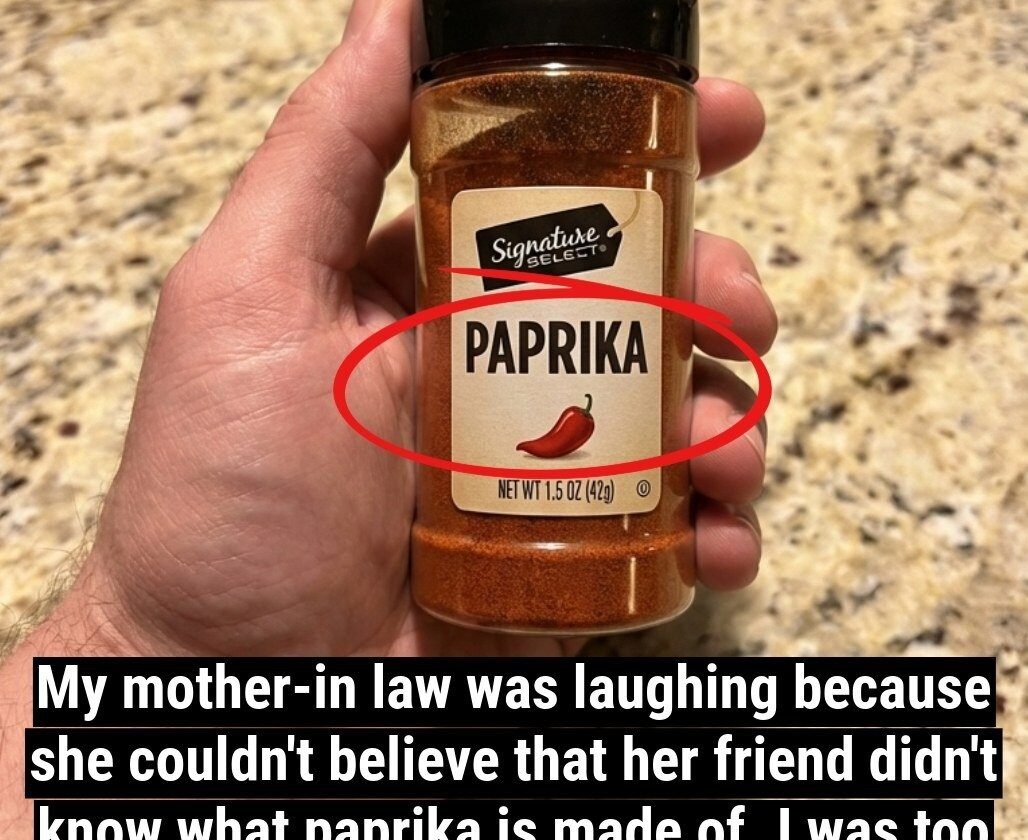
Paprika is made from dried and ground peppers—specifically varieties of the species Capsicum annuum.
These are the same family as:
- Bell peppers
- Chili peppers
- Cayenne peppers
The peppers are dried (sometimes smoked), then finely ground into the bright red powder you see in your spice jar.
👉 That’s it. No additives. No insects. Just peppers.
Types of Paprika
Not all paprika tastes the same. The flavor depends on the pepper variety and how it’s processed:
- Sweet paprika – Mild, slightly sweet, and most common in the U.S.
- Hot paprika – Made from spicier peppers
- Smoked paprika – Known as Pimentón, dried over wood smoke for a deep, smoky flavor
The “Paprika Is Made From Bugs” Myth
This rumor comes from confusion with a completely different ingredient: Carmine (also called cochineal).
Here’s the difference:
| Paprika | Carmine |
|---|---|
| Made from peppers | Made from insects |
| Used as a spice | Used as a food coloring |
| Labeled “paprika” | Labeled “carmine” or “cochineal” |
Carmine is sometimes used in processed foods like candy or yogurt—but it is NOT paprika.
Is Paprika Healthy?
Yes! Paprika can be part of a healthy recipe and balanced diet.
Health benefits include:
- Rich in antioxidants (like vitamin C)
- Contains carotenoids that support eye health
- May help boost metabolism (thanks to natural compounds like capsaicin)
- Low in calories but high in flavor
It’s a great way to add taste to meals without extra fat or sugar—perfect for weight loss cooking and clean eating.
Calories & Nutrition
Per 1 teaspoon (approximate):
- Calories: 6
- Carbohydrates: 1g
- Fat: 0.3g
- Protein: 0.3g
Paprika is very low in calories, making it ideal for adding flavor to high-protein meals without increasing calorie intake.
How to Choose High-Quality Paprika
To make sure you’re buying pure paprika:
- Check the label – it should say “paprika” or “ground red peppers”
- Avoid vague terms like “coloring” or “spice blend”
- Choose trusted sources like Hungarian or Spanish varieties
- Look for deep red color and fresh aroma
Tips for Best Results
- Store in a cool, dark place to preserve flavor
- Use within 6–12 months for best quality
- Add toward the end of cooking to avoid bitterness
- Pair with garlic, olive oil, and herbs for maximum flavor
- Try smoked paprika for a bold, BBQ-like taste
Variations & Substitutions
- No paprika? Use chili powder (stronger flavor)
- Milder option: Use sweet paprika instead of hot
- Smoky flavor: Substitute with smoked paprika
- Extra heat: Add cayenne pepper alongside paprika
FAQ
Is paprika made from bugs?
No. Paprika is made entirely from dried peppers. The bug-related rumor comes from confusion with carmine, a separate food dye.
Is paprika healthy?
Yes. It’s low in calories and rich in antioxidants, making it great for healthy cooking.
Can paprika help with weight loss?
It can support a weight loss diet by adding flavor without calories, helping you enjoy healthy meals more.
What’s the difference between paprika and chili powder?
Paprika is milder and sweeter, while chili powder is usually a blend of spices with more heat.
How should I store paprika?
Keep it in an airtight container in a cool, dark place. Use within a year for best flavor.
You May Also Like
- Easy Roasted Vegetables with Paprika
- Healthy Chicken Marinade with Spices
- Quick Dinner Ideas Using Pantry Spices
- High Protein Meal Prep Recipes
- Simple Homemade Spice Blends
Final Thoughts
Paprika is one of the simplest—and most powerful—ingredients in your kitchen. Despite the viral myths, it’s completely natural, plant-based, and safe to use in all your favorite dishes.
So go ahead and enjoy it in your easy recipes, sprinkle it over eggs, or add it to your next quick dinner. Sometimes the truth really is simple—and in this case, delicious. 🌶️