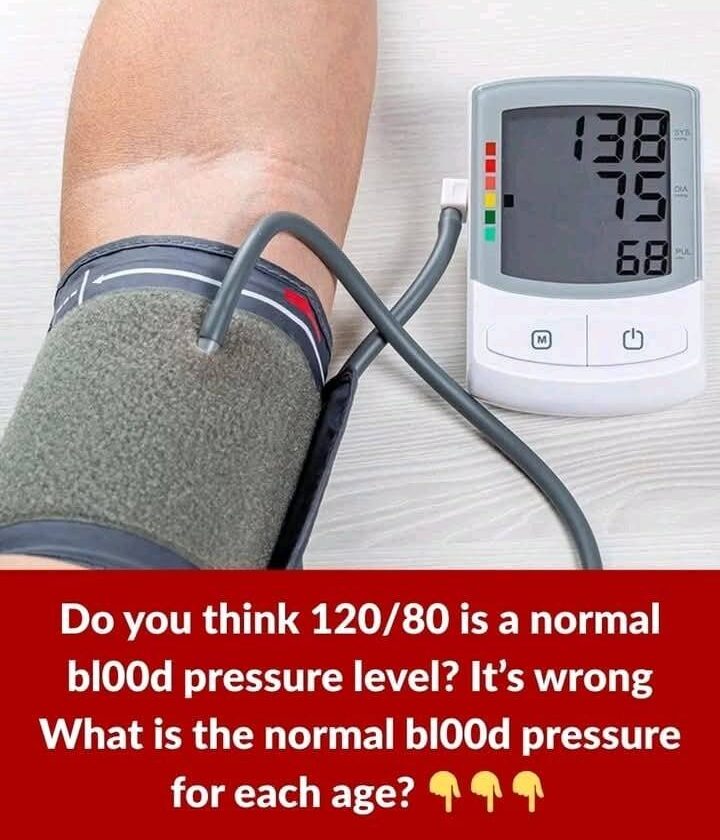
Blood Pressure by Age: What’s Actually Normal — and What Isn’t
A Clear, Evidence-Based Guide to Healthy Blood Pressure Across Adulthood
Blood pressure naturally changes throughout life, but one important medical fact is often misunderstood:
While blood pressure tends to rise with age, the definition of healthy blood pressure does not automatically increase just because you’re getting older.
That distinction matters.
Many people assume higher blood pressure is simply a “normal part of aging.” In reality, elevated readings still place stress on the heart, blood vessels, kidneys, brain, and eyes — regardless of age.
Understanding your numbers can help you make informed decisions about your long-term health without fear, confusion, or misinformation.
Understanding Blood Pressure Numbers
Blood pressure measures the force of blood pushing against artery walls.
A reading contains two numbers:
Systolic Pressure (Top Number)
This measures pressure while the heart is beating.
Diastolic Pressure (Bottom Number)
This measures pressure while the heart rests between beats.
Example:
120/80 mm Hg
- 120 = systolic pressure
- 80 = diastolic pressure
Both numbers matter because they reflect how hard your cardiovascular system is working.
Blood Pressure Categories for Adults
According to guidelines from organizations such as the American Heart Association and American College of Cardiology, blood pressure categories apply broadly to adults of all ages.
Normal Blood Pressure
Under 120/80 mm Hg
Elevated Blood Pressure
Systolic between 120–129 with diastolic under 80
Hypertension Stage 1
Systolic 130–139 or diastolic 80–89
Hypertension Stage 2
Systolic 140 or higher or diastolic 90 or higher
Important clarification:
These categories do not change simply because someone is older.
A reading of 135/85 may be common in older adults, but it is still considered elevated or hypertensive — not automatically “healthy for your age.”
Average Blood Pressure by Age
Population studies show that average blood pressure often increases gradually over time.
This happens for several reasons, including:
- Arterial stiffening
- Hormonal changes
- Weight gain
- Reduced physical activity
- Long-term dietary habits
- Chronic stress
- Genetics
Typical average ranges often look like this:
| Age Group | Common Average Range |
|---|---|
| 20–30 | 110–120 / 70–80 |
| 30–40 | 115–125 / 75–80 |
| 40–50 | 120–130 / 80–85 |
| 50–60 | 125–135 / 80–85 |
| 60+ | 130–140 / 80–85 |
But there is an important difference between:
- Average
- Healthy
- Ideal
Just because elevated blood pressure becomes more common with age does not mean it is harmless or unavoidable.
Many older adults maintain healthy blood pressure through consistent lifestyle habits, medical care, and regular monitoring.
Special Considerations After Age 65
For many adults over 65, healthcare providers still aim for blood pressure below 130/80 when it can be achieved safely.
However, treatment goals may vary depending on:
- Frailty
- Fall risk
- Medication side effects
- Kidney disease
- Heart conditions
- Multiple chronic illnesses
Some individuals may be advised to maintain slightly higher targets to avoid dizziness, fainting, or dangerous drops in blood pressure.
This is why treatment should always be individualized.
What Is Isolated Systolic Hypertension?
One very common age-related pattern is:
Isolated Systolic Hypertension
This occurs when:
- The top number (systolic) is elevated
- The bottom number (diastolic) remains normal
Example:
145/78
This pattern becomes more common after age 60 because arteries naturally become less flexible over time.
Even though the lower number may look “good,” elevated systolic pressure still increases the risk of:
- Stroke
- Heart disease
- Kidney problems
- Cognitive decline
It should not be ignored.
Why High Blood Pressure Matters
High blood pressure is often called a “silent condition” because many people feel completely normal while damage slowly develops over years.
Persistently elevated blood pressure increases the risk of:
- Heart attack
- Stroke
- Heart failure
- Kidney disease
- Vision loss
- Dementia and cognitive decline
Research consistently shows that lowering long-term exposure to elevated blood pressure improves health outcomes at nearly every age.
And importantly:
It is never too early — or too late — to support healthier blood pressure.
Lifestyle Habits That Support Healthy Blood Pressure
Small, sustainable habits often make the biggest difference over time.
Eat More Whole Foods
Focus on:
- Fruits and vegetables
- Whole grains
- Beans and legumes
- Lean proteins
- Healthy fats
Reduce:
- Excess sodium
- Highly processed foods
- Sugary drinks
- Excess added sugar
The DASH-style eating pattern is commonly recommended for blood pressure support.
Stay Physically Active
Aim for about 150 minutes of moderate activity weekly.
Examples include:
- Walking
- Swimming
- Cycling
- Dancing
- Gardening
Regular movement helps support:
- Blood vessel flexibility
- Weight management
- Stress reduction
- Heart health
Manage Stress Consistently
Chronic stress may contribute to long-term blood pressure elevation.
Helpful strategies include:
- Deep breathing
- Meditation
- Prayer or mindfulness
- Time outdoors
- Social connection
- Better sleep habits
Limit Alcohol and Avoid Smoking
Smoking damages blood vessels and significantly increases cardiovascular risk.
Excess alcohol may also raise blood pressure over time.
Monitor Your Numbers at Home
Home monitoring helps identify patterns that occasional clinic visits may miss.
This is especially important if you:
- Are over 40
- Have a family history of hypertension
- Have diabetes or kidney disease
- Experience stress-related spikes
Always use a validated monitor and follow proper measuring techniques.
Common Myths About Blood Pressure
“High blood pressure is normal with age.”
Not exactly.
It becomes more common with age, but it is still linked to higher health risks.
“I feel fine, so my blood pressure must be okay.”
High blood pressure often causes no symptoms until complications develop.
“Only the top number matters.”
Both numbers are important, though systolic pressure often becomes more significant with age.
“Medication means I failed.”
Blood pressure is influenced by genetics, aging, lifestyle, stress, and health conditions.
For many people, medication is a helpful medical tool — not a personal failure.
The Most Important Takeaway
Blood pressure goals may be personalized, but healthy blood pressure remains important throughout life.
Aging does not automatically mean accepting dangerous numbers.
Many people can significantly improve their cardiovascular health through:
- Better nutrition
- Regular movement
- Stress management
- Sleep improvement
- Weight management
- Smoking cessation
- Medical treatment when necessary
The goal is not perfection.
The goal is protecting long-term health one consistent habit at a time.
Final Thoughts
Your blood pressure is more than a number.
It reflects how hard your heart and blood vessels are working every single day.
While blood pressure commonly rises with age, elevated readings should never be dismissed as “just getting older.”
Understanding your numbers gives you the opportunity to make informed choices that protect:
- Your heart
- Your brain
- Your kidneys
- Your vision
- Your long-term quality of life
Small improvements matter.
Even modest reductions in blood pressure can significantly lower the risk of stroke and heart disease over time.
The healthiest approach is not fear — it is awareness, consistency, and partnership with a qualified healthcare professional.
Because every healthy habit you build today becomes an investment in your future well-being.
Medical Disclaimer
This article is for educational purposes only and does not replace professional medical advice, diagnosis, or treatment. Always consult a qualified healthcare provider regarding blood pressure concerns, medications, or individualized treatment goals.