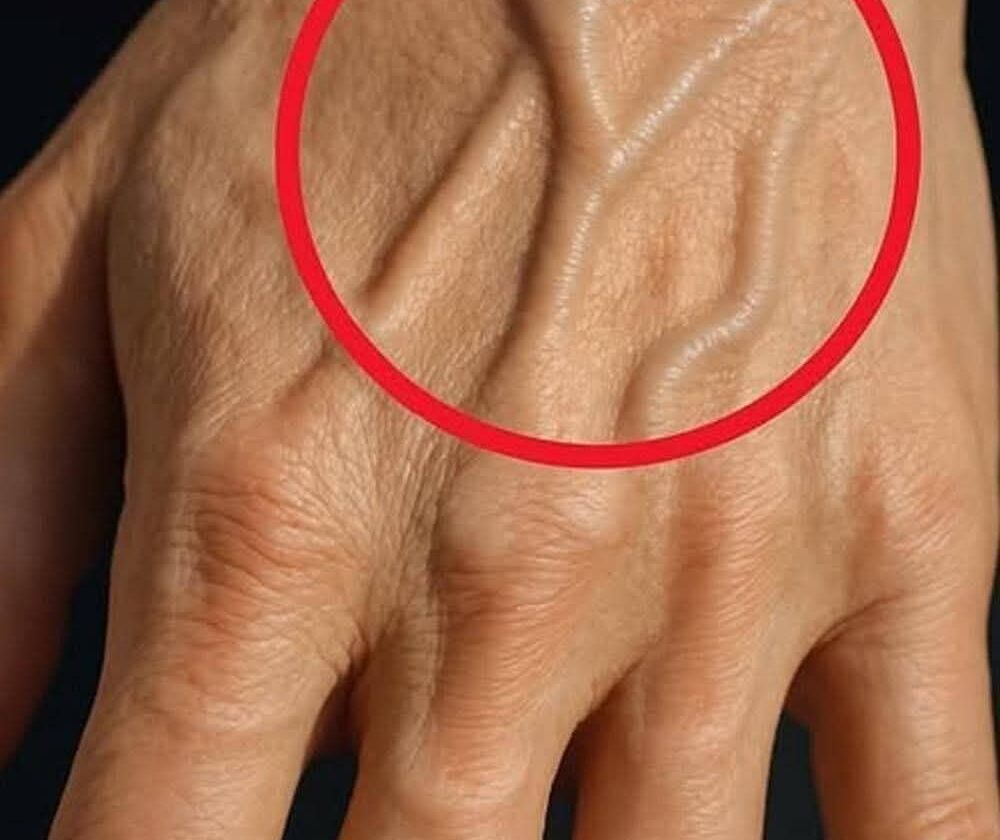
Many people notice that the veins on their hands sometimes appear more prominent or raised than usual. With so much health information circulating online, it’s easy to wonder if visible veins might signal something serious happening inside the body.
Some claims suggest that noticeable hand veins could indicate problems with the body’s filtration organs, but medical research tells a different story. In most cases, visible veins are completely normal and related to everyday factors like aging, genetics, and body composition.
Understanding why veins become visible can help separate medical facts from common myths.
Why Hand Veins Become More Visible
In the vast majority of cases, seeing veins on your hands is simply a normal anatomical variation. Several common factors influence how visible they appear.
1. Natural Aging
As we age, the skin gradually becomes thinner and loses collagen. When the skin layer becomes thinner, structures underneath—including veins—become easier to see.
This is why prominent veins are often more noticeable in older adults.
2. Lower Body Fat
People with lower body fat percentages often have more visible veins across their body.
Fat sits between the skin and blood vessels. When there’s less of it, veins naturally appear closer to the surface.
This is especially common in:
- Athletes
- Physically active individuals
- Naturally lean people
3. Genetics
Genetics plays a large role in how visible veins appear. Some people inherit thinner skin or more prominent veins, just like they inherit eye color or height.
For them, visible veins are simply part of their normal appearance.
4. Exercise and Physical Activity
During exercise, blood flow increases and veins expand to help regulate circulation.
As a result, veins may look larger and more noticeable during or after workouts. This effect is temporary and usually fades once the body returns to its resting state.
5. Heat and Temperature
Warm environments cause blood vessels to dilate, making veins appear more visible.
You might notice this after:
- A hot shower
- Spending time in warm weather
- Sitting in a sauna
This reaction is simply part of the body’s natural temperature regulation.
6. Hydration Levels
When someone is mildly dehydrated, the amount of fluid in the bloodstream decreases slightly. This can make veins appear more defined beneath the skin.
Drinking water typically restores normal appearance.
How the Body’s Filtration System Actually Works
The body’s filtration organs perform several critical tasks every day, including:
- Removing waste products from the blood
- Regulating fluid balance
- Controlling mineral and electrolyte levels
- Helping regulate blood pressure
When these organs develop problems, the body typically shows very specific warning signs that doctors recognize through decades of clinical research.
Common symptoms of reduced filtration function may include:
- Swelling in the hands, feet, ankles, or face
- Persistent fatigue
- Changes in urination patterns
- Foamy urine
- High blood pressure
- Loss of appetite or nausea
One important detail stands out when reviewing this list:
Visible veins are not considered a medical symptom of filtration problems.
Why Fluid Retention Usually Hides Veins
If filtration organs aren’t working properly, the body usually retains extra fluid.
This buildup of fluid causes swelling, also known as edema. Swelling often appears in the:
- Feet
- Ankles
- Hands
- Face
Interestingly, when swelling occurs, veins typically become less visible, not more visible. The extra fluid in tissues covers the blood vessels beneath the skin.
This is the opposite of what happens when veins appear more noticeable.
Situations Where Veins Can Be Connected to Medical Treatment
There is one specific situation where enlarged veins may relate to filtration issues—but it occurs after diagnosis and medical treatment, not before.
Patients with advanced organ failure sometimes require a procedure that connects an artery to a vein in the arm. This medical access point allows doctors to perform specialized blood-cleaning treatments.
The procedure intentionally causes the vein to become larger and more visible over time.
However, these enlarged veins are created for treatment purposes, not as a natural warning sign of disease.
Warning Signs That Should Be Taken Seriously
Instead of focusing on visible veins, it’s more important to watch for symptoms doctors actually associate with filtration problems.
Seek medical advice if you experience:
- Persistent swelling in the legs, hands, or face
- Sudden changes in urination frequency
- Foamy urine
- Unexplained fatigue that doesn’t improve with rest
- High blood pressure readings
- Shortness of breath during normal activity
- Ongoing nausea or appetite loss
These symptoms provide real clues about underlying health conditions and should be evaluated by a healthcare professional.
How Doctors Actually Check Filtration Health
Healthcare providers rely on objective tests, not physical appearance, to evaluate organ function.
Common medical evaluations include:
Blood Tests
Blood tests measure waste products in the bloodstream and calculate filtration rates.
Urine Analysis
Urine testing can detect protein, blood cells, or other substances that indicate abnormal filtration.
Blood Pressure Monitoring
Since these organs help regulate blood pressure, monitoring readings provides valuable information.
Medical History Review
Doctors also consider medications, family history, and lifestyle factors.
These assessments provide accurate, measurable insights into overall health.
What Visible Hand Veins Usually Mean
When veins appear prominent in the hands, they usually reflect normal variations in the body, including:
- Skin thickness
- Body fat percentage
- Hydration levels
- Age
- Genetics
- Temperature
- Recent exercise
These factors affect appearance but do not indicate internal organ function.
A person can have highly visible veins and be completely healthy, while someone with barely visible veins could still develop medical issues.
A Healthy Approach to Monitoring Your Body
Instead of worrying about normal physical features, focus on meaningful health indicators.
Maintaining wellness involves:
- Regular medical checkups
- Balanced nutrition
- Proper hydration
- Physical activity
- Monitoring blood pressure when recommended
If you fall into a higher-risk category due to family history or existing conditions, your healthcare provider may recommend routine screening tests.
The Bottom Line
Visible veins on your hands are almost always a normal part of human anatomy. They typically reflect factors like age, genetics, hydration, and body composition—not internal organ health.
Medical professionals do not use vein visibility as a diagnostic tool because no scientific connection exists between visible hand veins and filtration problems.
If concerns about your health arise, the most reliable approach is to consult a healthcare provider and rely on proper medical testing rather than physical appearance alone.
In most cases, those noticeable veins are simply another example of how every human body is naturally unique.