
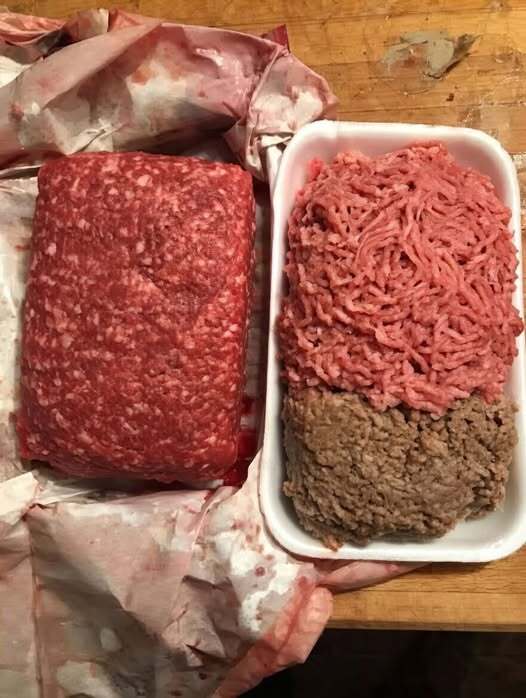
Buying meat at the supermarket seems simple—but many shoppers are starting to notice something isn’t quite the same.
From excess liquid in the pan to unexpected textures and inconsistent flavor, these small changes have raised questions about meat quality, sourcing, and labeling.
So what’s really going on—and how can you shop smarter?
Why Some Meat Doesn’t Cook the Same Anymore
If your meat has been:
- Releasing more water than usual
- Feeling softer or spongy
- Cooking unevenly
You’re not imagining things.
These differences can come from several factors, including:
- Processing methods
- Storage conditions
- Differences in sourcing and grading
In some cases, meat products may include cuts from multiple suppliers or varying quality levels, which can affect consistency.
The Label Doesn’t Always Tell the Full Story
Packaged meat often includes key information like:
- Cut type
- Weight
- Packaging date
But it may not always clearly explain:
- Whether the meat comes from multiple sources
- Variations in quality grades
- Added solutions (like water or sodium mixtures for preservation)
This can lead to a gap between what shoppers expect and what they actually get.
Is It Safe to Eat?
In most cases, yes.
Even when quality varies, supermarket meat is generally safe to consume if it’s:
- Properly stored
- Within its expiration date
- Cooked to the correct temperature
The issue is usually about quality and transparency, not safety.
How to Choose Better Quality Meat
If you want more consistency and value, here are a few practical tips:
1. Read Labels Carefully
Look for details like:
- Country of origin
- “Single source” or traceability claims
- Minimal added ingredients
2. Check the Appearance
Good-quality meat should have:
- Natural color (not dull or overly pale)
- Minimal excess liquid in the package
- Firm texture
3. Know Your Grades
Understanding basic grading (like choice vs. select) can help you make better decisions.
4. Buy From Trusted Sources
Whenever possible, consider:
- Local butchers
- Farmers’ markets
- Stores with strong quality standards
These options often provide more transparency about sourcing.
5. Watch for Added Solutions
Some packaged meat includes added liquids to improve shelf life or appearance. This can affect:
- Taste
- Texture
- Cooking results
Why Transparency Matters
Shoppers aren’t just buying food—they’re buying trust.
When labeling is unclear or inconsistent, it creates frustration, even if the product is technically safe.
That’s why consumer advocates continue to push for:
- Clearer labeling standards
- Better sourcing transparency
- More consistent quality control
What’s Being Done About It?
Retailers and regulators are increasingly reviewing:
- Supplier practices
- Labeling accuracy
- Quality standards
The goal is to improve consumer confidence and ensure products match expectations.
Final Thoughts
Supermarket meat is generally safe—but not always consistent.
By paying closer attention to labels, sourcing, and appearance, you can make smarter, more confident choices at the store.
In today’s complex food system, a little awareness goes a long way.