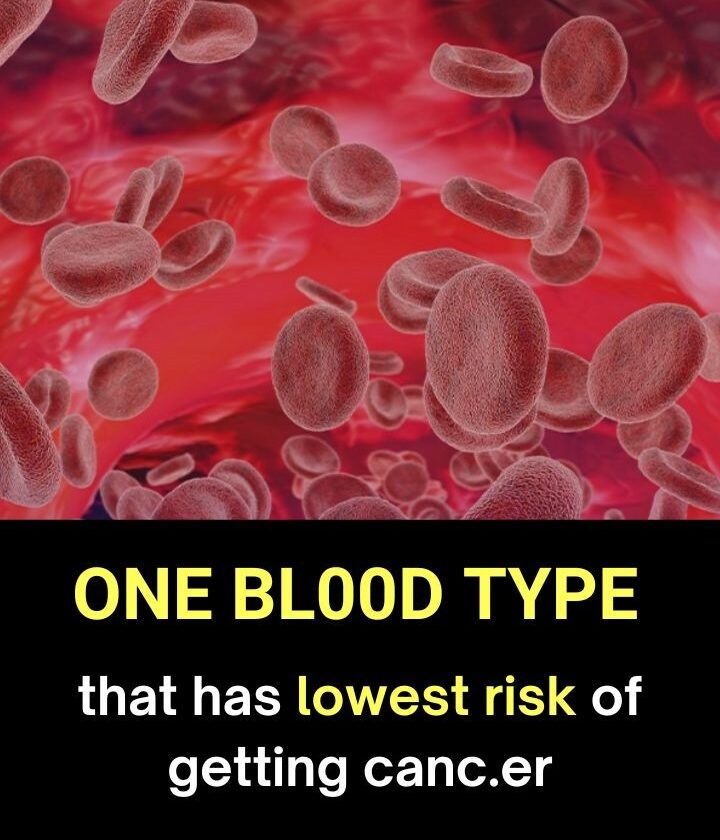
Which Blood Type Has the Lowest Cancer Risk? What Doctors Actually Say
Can Your Blood Type Affect Your Health?
Most people only think about their blood type in emergencies—but research suggests it may also be linked to certain long-term health risks, including some types of cancer.
However, it’s important to be clear: blood type does not determine whether you will or won’t get cancer. It’s just one small piece of a much larger picture.
What Research Suggests About Blood Type and Cancer Risk
Studies, including research published around 2015, have explored connections between blood groups and disease risk.
Key findings:
- People with Type O blood may have a slightly lower risk of certain cancers, including:
- Stomach cancer
- Pancreatic cancer
- Colorectal cancer
- Individuals with Type A, B, or AB may have a higher statistical risk for some of these cancers—particularly stomach and pancreatic cancers.
Why Might Blood Type Matter?
Researchers believe the difference may be linked to:
- Immune system responses
- Inflammation levels
- Gut bacteria interactions
- Blood clotting factors
For example, Type O blood tends to have fewer clotting factors, which may also explain its link to a lower risk of heart disease.
Important Reality Check ⚠️
Before jumping to conclusions, here’s what doctors emphasize:
- Blood type is not a cause of cancer
- It does not predict who will get cancer
- It does not affect survival rates once cancer occurs
- The differences in risk are relatively small
👉 In other words: having Type O blood does not make you immune, and having another type does not mean you’re at high risk.
What Matters More Than Blood Type
Your overall cancer risk is far more influenced by:
- 🚭 Smoking and alcohol use
- 🍎 Diet and nutrition
- 🏃 Physical activity
- 🧬 Genetics and family history
- ☀️ Environmental exposure
- 🏥 Regular screenings and early detection
Understanding Blood Types
There are four main blood groups:
- Type A
- Type B
- Type AB
- Type O
Each can also be positive or negative, depending on the Rh factor.
Should You Be Concerned?
Not really.
Knowing your blood type can be useful—but it shouldn’t cause worry. Instead, focus on healthy habits and regular medical checkups, which have a much bigger impact on your long-term health.
Final Thoughts
Some research suggests that Type O blood may be linked to a slightly lower risk of certain cancers, but this is just one factor among many.
The bottom line:
👉 Your lifestyle choices matter far more than your blood type.
Staying informed is valuable—but staying healthy comes down to the decisions you make every day.