
Engaging Introduction:
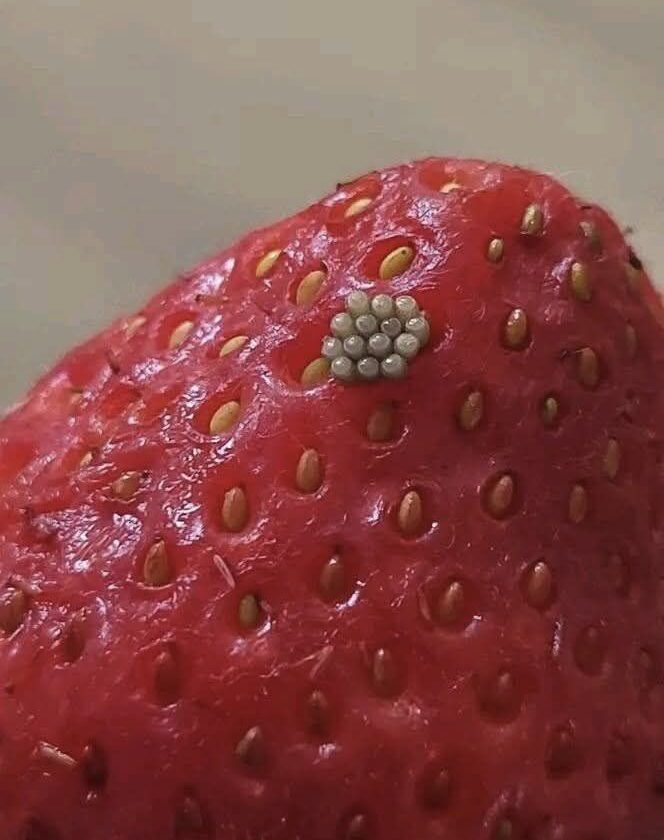
You rinse your berries, maybe even soak them in salt water—and suddenly, you see tiny white wiggling things coming out. It’s enough to make anyone pause and wonder: Is this normal… or should I throw everything away?
If you care about healthy eating, food safety, or prepping clean fruit for your family, this is an important question. The truth is, what you’re seeing is more common than you might think—and not always as dangerous as it looks. Let’s break down what’s really going on and what you should do next.
Why You’ll Love This Guide:
- ✔️ Explains what those white worms actually are
- ✔️ Helps you decide if your fruit is still safe
- ✔️ Supports safe food handling and meal prep
- ✔️ Reduces unnecessary food waste
- ✔️ Simple, science-based answers
Ingredients:
- Fresh berries (especially strawberries)
- Water
- Salt (optional for soaking)
Instructions / Method:
- Rinse berries under clean water
- Optionally soak in salt water for cleaning
- Inspect fruit before eating
- Store properly in the refrigerator
What Are Those White Wiggling Things?
In many cases, those tiny white worms are the larvae of small fruit flies—most commonly the spotted wing drosophila.
This insect lays eggs inside soft fruits like strawberry, and when you soak them in salt water, the larvae come out.
👉 Important:
This doesn’t mean your fruit is rotten—it just means insects interacted with it before you bought it.
Is This Recipe (or Food) Healthy?
Yes—berries like strawberries are still considered a healthy, nutrient-rich food.
They are:
- Low in calories
- High in vitamin C
- Rich in antioxidants
- Great for weight loss and meal prep
👉 The presence of larvae is more of a quality and hygiene issue, not usually a serious health risk.
Are They Safe to Eat?
Here’s the honest answer:
- Accidentally eating small larvae is generally not harmful
- They are not known to carry serious diseases in this context
- However, most people prefer not to eat them (understandably)
👉 If the fruit looks:
- Mushy
- Moldy
- Damaged
➡️ Then it’s best to throw it away.
Otherwise, properly washed berries are usually safe.
Calories & Nutrition:
For 1 cup of strawberries:
- Calories: ~50
- Carbs: ~12g
- Fiber: ~3g
- Vitamin C: High
- Antioxidants: Excellent
👉 Still a great choice for a healthy snack or low-calorie diet.
Tips for Best Results (Clean Berries Properly):
- Soak berries in salt water (1 tsp salt per cup of water) for 5–10 minutes
- Rinse thoroughly with clean water afterward
- Remove damaged or overly soft berries
- Store in the fridge and eat within a few days
👉 Bonus tip: Vinegar washes (1:3 vinegar to water) can also help remove bacteria.
Variations & Substitutions:
- Use organic berries (may have more insect exposure but fewer chemicals)
- Buy frozen berries (cleaned and processed)
- Choose firmer fruits like apples or grapes if concerned
FAQ Section:
1. Should I throw away berries if I see worms?
Not necessarily. If the fruit is still firm and fresh, washing is usually enough.
2. Is it dangerous to eat them?
No, it’s generally not harmful—but it may be unpleasant.
3. Why does salt water make them come out?
Salt irritates the larvae, causing them to leave the fruit.
4. Does this happen only with strawberries?
No, it can happen with other soft fruits like raspberries and cherries.
5. How can I prevent this?
Wash fruit thoroughly and buy from trusted sources.
You May Also Like:
- How to Wash Fruits and Vegetables Properly
- Best Low-Calorie Snacks for Weight Loss
- Healthy Meal Prep Ideas for Busy Weeks
- Foods High in Antioxidants
- Safe Food Storage Tips
- Organic vs Conventional Produce Guide
Final Thoughts:
Seeing tiny worms in your berries can be shocking—but it’s often a natural part of how fresh produce interacts with the environment.
The key isn’t panic—it’s awareness. With proper washing and storage, you can still enjoy your favorite fruits safely and confidently.
Sometimes, eating fresh means getting a little closer to nature than we expect—but with the right steps, it’s nothing to fear.