Why Dogs Sniff People’s Crotches — The Surprisingly Scientific Reason Behind It
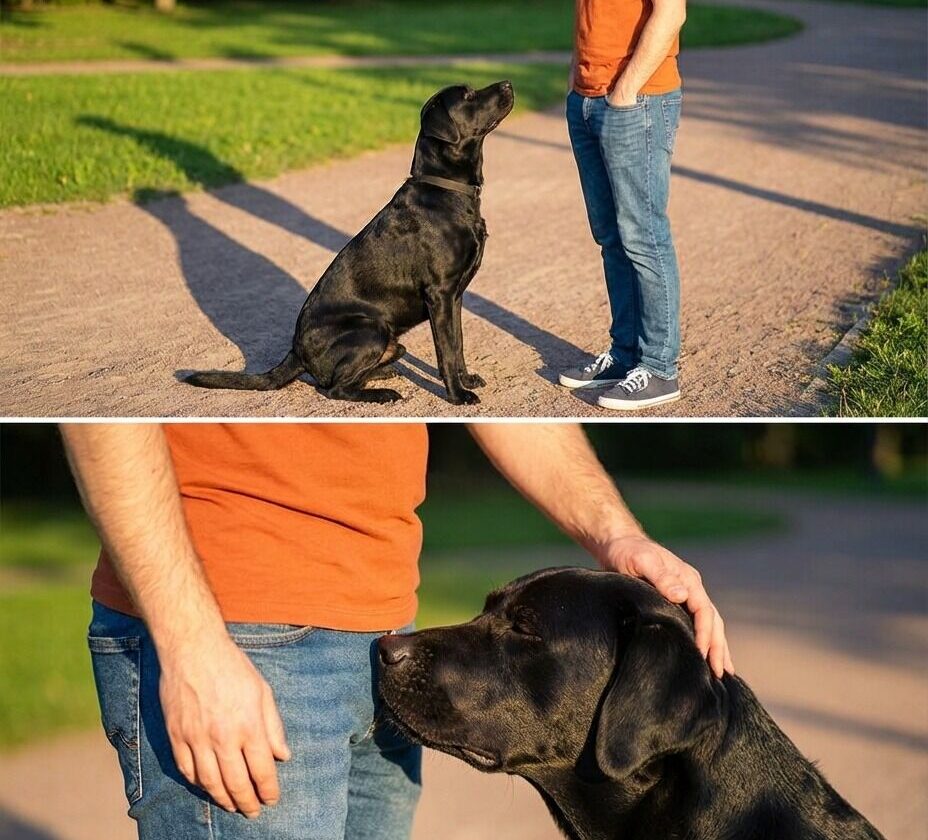
Almost every dog owner has experienced the awkward moment: a guest walks through the door, and the family dog immediately heads straight for the most uncomfortable place possible. While humans may cringe or apologize, dogs are simply doing what comes naturally to them.
To a dog, sniffing someone’s groin or armpits isn’t rude behavior—it’s advanced information gathering. Dogs experience the world primarily through scent, and what seems embarrassing to us is actually one of the most important ways they understand people, environments, and emotions.
Once you understand the biology behind this behavior, it becomes far less strange and far more fascinating.
Dogs Experience the World Through Smell
Humans rely heavily on vision to interpret social situations. Dogs rely on scent.
A dog’s nose is extraordinarily powerful, capable of detecting details humans could never perceive. While people recognize faces and body language first, dogs identify individuals through chemical signals carried in scent.
To them, every person has a unique “odor signature” that reveals valuable information.
Why Dogs Target Certain Areas of the Body
Dogs are especially interested in areas like:
- The groin
- Armpits
- Feet
- Hands
That’s because these regions contain high concentrations of apocrine sweat glands.
Unlike eccrine sweat glands—which mainly help cool the body—apocrine glands release chemical compounds often associated with pheromones and personal scent markers.
These scents can communicate information about:
- Age
- Biological sex
- Emotional state
- Stress levels
- Hormonal changes
- Health conditions
In other words, dogs are not randomly sniffing. They are collecting biological information the same way humans might scan facial expressions or listen to tone of voice.
A Dog’s Sense of Smell Is Almost Unimaginably Powerful
Dogs possess up to 300 million olfactory receptors, compared to roughly 6 million in humans.
The portion of a dog’s brain dedicated to processing smell is also dramatically larger relative to body size.
This allows dogs to detect incredibly subtle scent details, including:
- Where you’ve been
- What you’ve eaten
- Whether you’ve been around other animals
- Emotional changes like fear or stress
- Certain illnesses or chemical shifts
To dogs, scent creates a detailed story about a person.
Dogs Can “Taste” Smells Too
Dogs also have a specialized sensory structure called the Vomeronasal Organ, often referred to as Jacobson’s organ.
Located in the roof of the mouth, this organ helps animals process pheromones and other chemical signals.
This means dogs aren’t just smelling information—they’re analyzing it on multiple sensory levels.
Sniffing Is a Normal Social Greeting for Dogs
Among dogs, sniffing is equivalent to a handshake or introduction.
When dogs greet one another, they gather scent information immediately to determine:
- Identity
- Emotional state
- Familiarity
- Reproductive status
- Potential threat level
This process helps dogs feel more secure and reduces uncertainty in social situations.
When a dog sniffs a human guest, it’s often simply trying to answer the canine version of:
“Who are you, and are you safe?”
Why Some Dogs Sniff More Than Others
Not all dogs are equally enthusiastic sniffers.
Factors that influence sniffing behavior include:
- Breed
- Age
- Training
- Personality
- Anxiety levels
- Curiosity
Breeds developed for scent work—such as hounds and tracking dogs—often display stronger scent-investigation behaviors because they were selectively bred for olfactory sensitivity.
Can Dogs Detect Health Problems?
Research suggests dogs may sometimes detect certain medical conditions through scent changes.
Dogs have been trained to identify:
- Low blood sugar
- Seizure onset
- Some cancers
- Infections
- Stress-related hormonal changes
This doesn’t mean every sniffing dog is diagnosing disease. Most sniffing is completely normal social investigation.
Still, their noses are remarkably sensitive to biological changes humans cannot consciously detect.
Why Punishing the Behavior Can Backfire
Because sniffing is instinctive and socially important for dogs, harsh punishment may create confusion or anxiety.
Suppressing natural scent investigation entirely can:
- Increase stress
- Create fear-based behaviors
- Reduce confidence
- Interfere with healthy socialization
Instead of punishing the instinct, experts generally recommend redirecting it.
Better Ways to Redirect the Behavior
Training can help dogs greet people more politely without suppressing their natural curiosity.
Helpful alternatives include:
Teaching “Sit” Before Greeting
A seated dog is less likely to lunge into awkward sniffing territory.
Using “Touch” Commands
Dogs can be trained to touch a guest’s hand instead of investigating more intrusive areas.
Rewarding Calm Greetings
Positive reinforcement encourages socially appropriate behavior while still allowing dogs to gather information.
Allowing Brief Controlled Sniffing
Short, calm sniffing from a respectful distance often satisfies curiosity without becoming uncomfortable.
Why Dogs Need Scent Exploration
Sniffing isn’t just curiosity—it’s mentally enriching.
Allowing dogs to use their noses:
- Reduces stress
- Builds confidence
- Provides mental stimulation
- Helps them process unfamiliar environments
This is one reason scent games, sniff walks, and enrichment activities are highly recommended for canine mental health.
Understanding Dogs Changes the Relationship
Many awkward dog behaviors make more sense once viewed through canine biology instead of human social expectations.
Dogs are not trying to embarrass anyone. They’re using the most powerful sensory tool they possess to understand the world around them.
When owners recognize this, interactions become less frustrating and more manageable.
Training then becomes about guidance—not punishment.
Final Thoughts
What humans see as awkward or inappropriate, dogs experience as completely natural communication. Their incredible noses allow them to gather detailed information through scent in ways humans can barely imagine.
By understanding why dogs sniff people so intensely, owners can respond with patience, better training, and realistic expectations. The goal isn’t to eliminate a dog’s instincts—it’s to guide them in socially acceptable ways.
In the end, a dog’s nose isn’t a source of embarrassment. It’s one of the most advanced sensory systems in the animal world—and the primary way our canine companions understand us.