Why You May Want to Think Twice Before Ordering Lemon Water at Restaurants
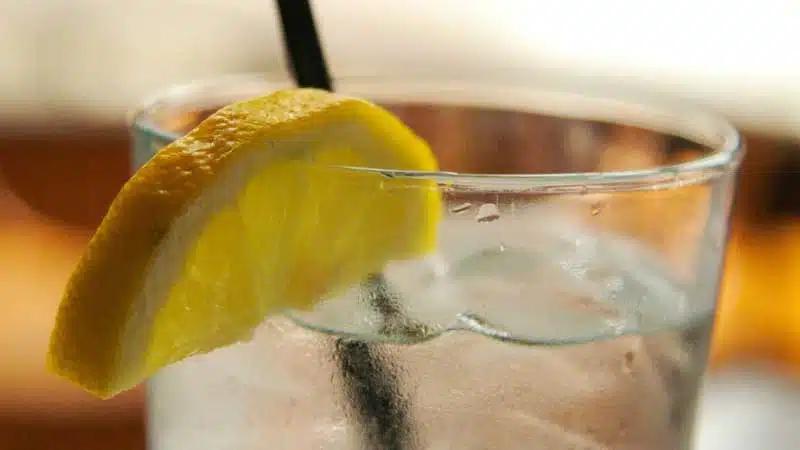
That slice of lemon floating in your glass may look fresh and refreshing, but have you ever wondered how many hands touched it before it reached your table? While lemon water is often considered a healthy choice, some research suggests that restaurant lemon garnishes may not always be as clean as they appear.
A Refreshing Drink with a Hidden Concern
When dining at a restaurant, your server may ask whether you’d like still water, sparkling water, or water with lemon. For many people, adding a lemon wedge feels like a healthier and more flavorful option.
However, several studies have raised concerns about the cleanliness of lemon slices served in restaurants. Although not every restaurant has poor hygiene practices, research has found that some lemon garnishes can carry bacteria introduced during handling and preparation.
What Researchers Found
One widely discussed investigation by ABC News examined some of the most germ-prone areas in restaurants. During the investigation, lemon wedges collected from several restaurants were tested, and some samples showed contamination with bacteria associated with poor hand hygiene.
Hidden cameras also recorded employees handling lemon wedges with bare hands instead of using gloves or tongs. If proper handwashing procedures are not followed after using the restroom, bacteria can be transferred to food and drink garnishes.
While this doesn’t mean every lemon slice is contaminated, it does highlight the importance of good food-handling practices.
A Scientific Study Raises Similar Questions
A study published in the Journal of Environmental Health analyzed 76 lemon samples collected from 21 restaurants.
Researchers found that many of the lemon slices carried a variety of microorganisms, including bacteria commonly found in the environment and, in some cases, organisms such as E. coli, which can cause illness under certain conditions.
The study concluded that lemon slices can become contaminated during harvesting, transportation, storage, or preparation if proper hygiene standards are not maintained.
How Do Lemon Slices Become Contaminated?
There are several possible ways bacteria can end up on a lemon garnish, including:
- Employees handling lemons without washing their hands properly
- Using bare hands instead of gloves or serving tongs
- Cross-contamination from cutting boards or knives
- Improper storage before serving
- Contact with contaminated surfaces during food preparation
Because lemons are often served without being cooked, any bacteria present may remain on the fruit.
Should You Stop Ordering Lemon Water?
Not necessarily.
Most restaurants follow food safety regulations and prepare garnishes safely. However, the studies suggest that contamination can occur if proper hygiene procedures aren’t followed.
If you’re concerned, you can simply:
- Order water without a lemon slice.
- Ask for the lemon on a separate plate.
- Wash your hands before eating.
- Choose restaurants with strong food safety reputations.
Tips for Safer Dining
Although the risk from a single lemon slice is generally low for healthy individuals, practicing good hygiene can further reduce your chances of exposure.
Some helpful habits include:
- Wash your hands before eating.
- Avoid touching your face while dining.
- Choose restaurants that appear clean and well-maintained.
- Don’t hesitate to ask for a fresh lemon if you have concerns.
Are Certain People at Higher Risk?
People with weakened immune systems, older adults, young children, and pregnant women may be more vulnerable to foodborne bacteria than healthy adults. These individuals may wish to be extra cautious when consuming raw garnishes that have been handled by multiple people.
Frequently Asked Questions
Is lemon water unhealthy?
No. Lemon water itself is a healthy beverage that provides vitamin C and can help with hydration. The concern is not the lemon itself but how it may have been handled before being served.
Are all restaurant lemons contaminated?
No. The studies examined only a limited number of restaurants. Many establishments follow excellent sanitation practices and safely prepare their garnishes.
Can bacteria survive on lemons?
Yes. Although the acidity of lemons can inhibit some microorganisms, certain bacteria can survive on the peel and surface long enough to be transferred during handling.
What’s the safest option?
If you’re unsure about food-handling practices, ordering water without a garnish is the simplest way to eliminate the risk.
Final Thoughts
A slice of lemon may seem like a harmless addition to your drink, but research suggests that restaurant garnishes can sometimes become contaminated if proper hygiene practices aren’t followed. While this doesn’t mean every lemon wedge is unsafe, it’s a reminder that food safety depends heavily on careful handling.
The next time you’re dining out, you may decide to skip the lemon—or simply ask for it on the side. A small choice like that can provide extra peace of mind while you enjoy your meal.
You May Also Like:
- Why Public Toilet Seats Have an Open Front Design
- The Real Reason Toilet Paper Is White
- Hidden Germ Hotspots in Your Kitchen
- Everyday Restaurant Hygiene Tips Everyone Should Know
- Common Food Safety Mistakes You Can Easily Avoid