Engaging Introduction
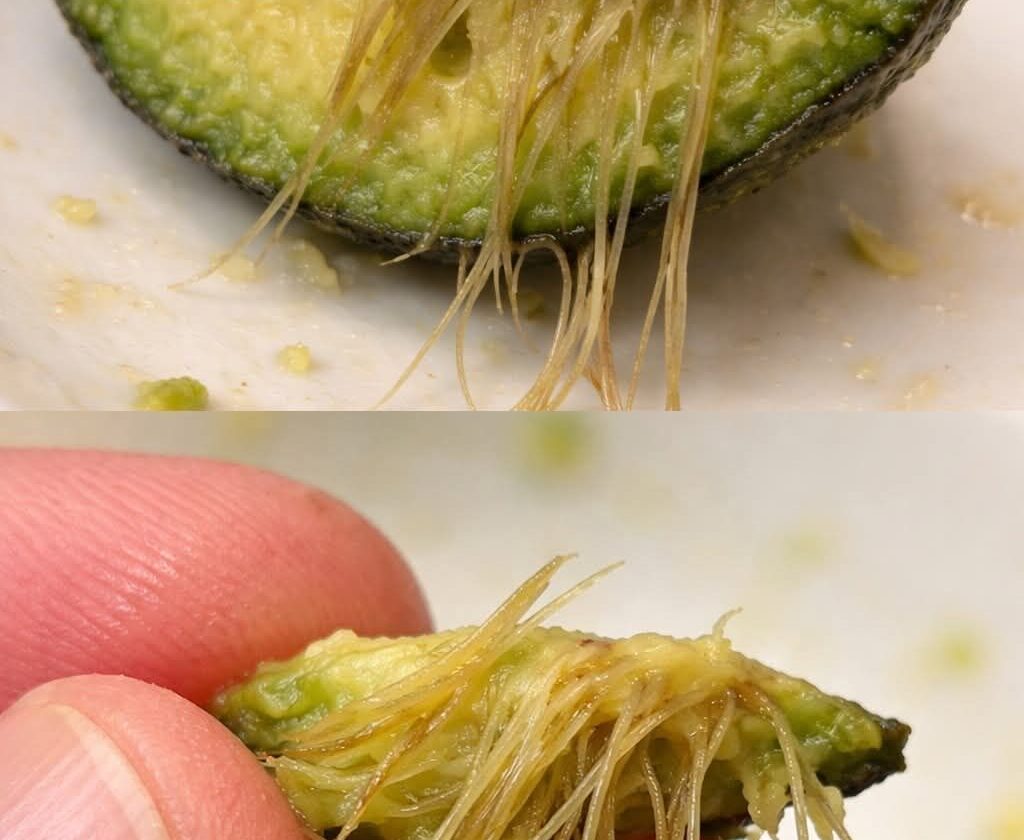
You slice open a perfectly good avocado, expecting that smooth, creamy texture—and instead, you find strange strings running through the flesh. It looks a little alarming, maybe even like something went wrong. If you’ve ever wondered whether a stringy avocado is safe to eat, you’re definitely not alone.
The good news? In most cases, those fibrous strands are completely natural. Still, they can affect texture and make your favorite recipes—like guacamole or avocado toast—less enjoyable. Understanding why this happens can help you make better choices at the store and avoid wasting food.
In this guide, we’ll break down exactly what those strings are, why they appear, and how to still use your avocado in easy recipes, healthy meals, and meal prep ideas without sacrificing flavor.
Why You’ll Love This Guide
- Explains what stringy avocados really are
- Helps you avoid wasting perfectly good food
- Shows how to pick better avocados at the store
- Includes tips for smooth, creamy recipes
- Perfect for anyone who loves healthy eating and meal prep
Ingredients
Avocado
Instructions / Method
- Cut the avocado in half and remove the pit.
- Inspect the flesh for any unusual texture or discoloration.
- If strings are present but the fruit smells fresh and looks normal, it is safe to eat.
- Mash, blend, or slice depending on your recipe.
- Discard only if the avocado shows signs of spoilage.
What Are the Strings Inside an Avocado?
Those strange strings are actually vascular bundles—natural structures inside the fruit.
They help transport:
- Water
- Nutrients
- Sugars
Think of them like the thin fibers in celery. All avocados have them, but most of the time they’re soft and invisible. When they become more noticeable, the fruit takes on a fibrous or stringy texture.
Why Do Some Avocados Become Stringy?
Several factors can make these fibers more visible:
1. Growing Conditions
Environmental stress during growth—like heat, inconsistent watering, or nutrient imbalance—can lead to firmer, more noticeable fibers.
2. Early Harvest
Avocados are often picked before fully ripening. If harvested too early, the fibers may remain more prominent as the fruit ripens off the tree.
3. Variety Differences
Some types of avocados are naturally more fibrous.
- Hass avocados (most common in the U.S.) are usually creamy
- Other varieties may be more stringy by nature
4. Overripening
As avocados become very soft, the surrounding flesh breaks down, making the fibers stand out more.
Is This “Recipe” Healthy?
Avocados are considered one of the healthiest foods you can eat.
They are rich in:
- Healthy fats (good for heart health)
- Fiber (supports digestion)
- Potassium (supports blood pressure)
Even if an avocado is slightly stringy, it still provides the same nutritional benefits and healthy fats, making it a great addition to a balanced diet or weight loss plan.
Calories & Nutrition (Estimated)
Per ½ avocado:
- Calories: ~120
- Healthy fats: ~11 g
- Carbohydrates: ~6 g
- Fiber: ~5 g
- Protein: ~1.5 g
Avocados are ideal for high-fiber, heart-healthy meals and help keep you full longer.
Tips for Best Results
- Choose avocados that are firm but slightly soft when pressed
- Avoid fruits that feel overly soft or look shriveled
- Buy from stores with high produce turnover
- Use avocados within a few days of ripening
- Store ripe avocados in the fridge to slow over-ripening
Variations & Substitutions
If your avocado is stringy, don’t throw it away—use it creatively:
Best uses for stringy avocados
- Guacamole (mash thoroughly)
- Smoothies (blend until creamy)
- Salad dressings
- Avocado toast (well mashed)
Blending or mashing breaks down fibers and improves texture.
FAQ
Are stringy avocados safe to eat?
Yes. The fibers are natural plant tissue and not harmful.
Why does my avocado have strings?
It’s usually due to growing conditions, harvest timing, or ripeness level.
When should I throw an avocado away?
Discard it if you notice:
- Sour or fermented smell
- Large dark brown or black areas
- Mold
Can I avoid buying stringy avocados?
You can reduce the chances by choosing properly ripened fruit, but it’s not always avoidable.
How do I fix a stringy avocado?
Mash or blend it thoroughly—this usually removes the texture issue.
You May Also Like
- How to Pick the Perfect Avocado Every Time
- Easy Guacamole Recipe for Beginners
- Healthy Avocado Toast Ideas
- Best Foods for Heart Health
- Simple Meal Prep Recipes for Busy Days
Final Thoughts
Finding strings inside your avocado can be surprising, but it’s usually nothing to worry about. These fibers are a natural part of the fruit and don’t affect its safety—only its texture.
Instead of throwing it away, simply adjust how you use it. With a little creativity, even a stringy avocado can still shine in healthy recipes, quick meals, and everyday cooking.
Sometimes, what looks like a flaw is just nature doing its thing—and with the right approach, you can still enjoy every bite. 🥑