SEO Title:
11 Foods You Should Never Put in a Slow Cooker (Plus Healthy Slow Cooker Tips for Easy Meal Prep)
Engaging Introduction
Let me tell you about the slow cooker disaster that still makes me laugh… now.
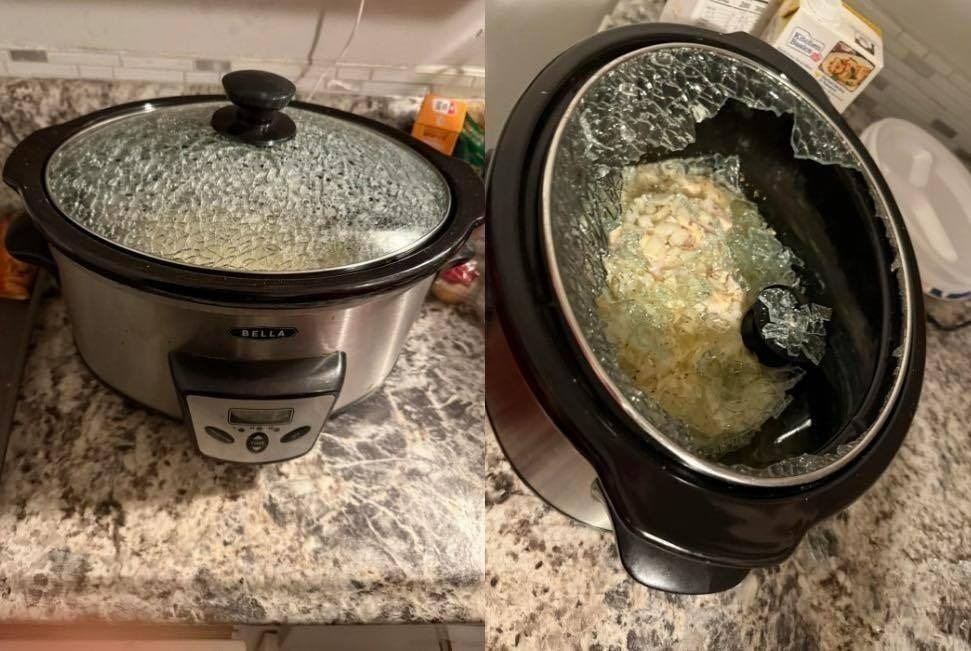
A few years ago, I thought I had mastered healthy meal prep. I tossed chicken breast, quinoa, and vegetables into my slow cooker before work, convinced I’d come home to the perfect high protein meal. Instead, I opened the lid to a gray, mushy mess that looked more like wallpaper paste than dinner. The chicken was dry, the quinoa had completely dissolved, and the vegetables had practically vanished.
That kitchen fail taught me an important lesson: slow cookers are amazing for easy dinners, healthy recipes, and budget-friendly meal prep — but not every ingredient belongs inside that ceramic pot. Some foods turn mushy, some dry out completely, and others can even create food safety problems when cooked too long.
If you’ve ever wondered why your Crock-Pot meals taste bland, watery, or overcooked, this guide will save your dinner. Here are the foods you should never put in a slow cooker — plus smart swaps and expert tips to help you make better, healthier slow cooker meals every time.
Why You’ll Love This Guide
- Helps you avoid common slow cooker mistakes
- Perfect for healthy meal prep and easy dinner planning
- Saves money by preventing ruined ingredients
- Includes food safety tips for better cooking results
- Great for beginners learning how to use a Crock-Pot properly
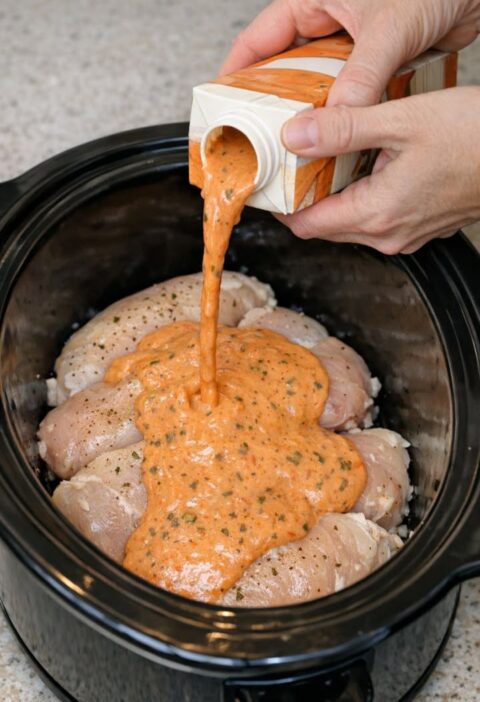
1. Raw Chicken Breast (Without Enough Liquid)
Here’s the problem: chicken breast is extremely lean. When cooked low and slow without enough liquid, it becomes dry, stringy, and tough.
What Happens
The proteins tighten and squeeze out moisture. Unlike chicken thighs, chicken breast doesn’t contain enough fat or connective tissue for long slow cooking.
The Safety Issue
Chicken must reach 165°F safely. Slow cookers can take hours to reach safe temperatures, leaving chicken in the “danger zone” where bacteria grow rapidly.
The Fix
- Use chicken thighs instead
- Add broth or sauce
- Cook on HIGH for shorter periods
- Sear chicken first and add later
2. Pasta (Unless You Want Mush)
Pasta and slow cookers usually don’t mix well.
What Happens
Pasta keeps absorbing liquid for hours until it becomes swollen, mushy, and sticky.
The Fix
Cook pasta separately and stir it in during the final 15–30 minutes.
Best Exception
Frozen gnocchi and hearty tortellini hold up slightly better but should still be added near the end.
3. Rice (It Turns Into Porridge)
Rice seems perfect for slow cookers, but most varieties overcook badly.
What Happens
Rice absorbs too much liquid and turns gluey after several hours.
The Fix
- Cook rice separately
- Use instant rice at the end
- Serve your stew or curry over fresh rice
Exception
Some slow cooker risotto recipes work because they require careful stirring and gradual liquid additions.
4. Delicate Vegetables
Not every vegetable survives low-and-slow cooking.
Vegetables That Become Mushy
- Zucchini
- Bell peppers
- Asparagus
- Spinach
- Kale
- Mushrooms
The Fix
Add delicate vegetables during the last 30–60 minutes.
Vegetables That Work Best
- Carrots
- Potatoes
- Celery
- Onions
- Parsnips
5. Dairy Products
Milk, cream, yogurt, and sour cream don’t tolerate long cooking times.
What Happens
Dairy separates, curdles, and becomes grainy.
The Fix
Add dairy at the very end of cooking.
Better Option
Coconut milk handles heat better and works beautifully in healthy slow cooker recipes.
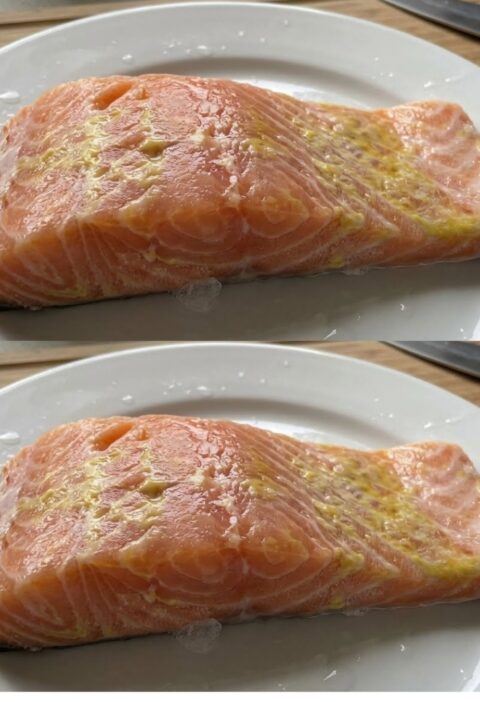
6. Seafood
Fish and shellfish cook extremely quickly.
What Happens
- Fish becomes dry and chalky
- Shrimp turn rubbery
- Scallops become chewy
The Fix
Cook seafood separately and add it before serving.
Exception
Firm fish like cod or halibut can handle about 30 minutes in the slow cooker.
7. Canned Beans (Added Too Early)
Canned beans are already cooked.
What Happens
They break apart and turn your soup or chili into mush.
The Fix
Add canned beans during the last 30 minutes.
Better Alternative
Soaked dried beans work much better for long slow cooking.
8. Breaded or Fried Foods
Crispy coatings disappear in a slow cooker.
What Happens
Breaded foods absorb moisture and become soggy.
The Fix
Keep crispy toppings separate and add them right before serving.
9. Lean Meats
Lean meats don’t contain enough fat for slow cooking.
Meats That Dry Out
- Pork tenderloin
- Venison
- Rabbit
Better Slow Cooker Choices
- Chuck roast
- Pork shoulder
- Lamb shanks
- Chicken thighs
Why It Happens
Slow cooking breaks down collagen. Lean meats don’t have enough collagen to stay juicy.
10. Alcohol (Without Pre-Cooking)
Wine and beer need special handling.
What Happens
Alcohol doesn’t evaporate properly inside a covered slow cooker.
The Fix
Simmer alcohol on the stovetop first before adding it to your Crock-Pot.
11. Fresh Herbs (Added Too Early)
Fresh herbs lose flavor during long cooking times.
What Happens
They become bitter and dull.
The Fix
Add fresh herbs just before serving.
Herbs That Handle Heat Better
- Rosemary
- Thyme
- Oregano
Bonus: Frozen Foods in Slow Cookers
Frozen meat should never go directly into a slow cooker.
Why?
It keeps food in unsafe temperature zones for too long.
The Fix
Always thaw meat in the refrigerator first.
Frozen vegetables are usually safe but should still be added later to avoid mushiness.
Smart Slow Cooker Swaps That Actually Work
Best Proteins
- Chicken thighs
- Beef chuck roast
- Pork shoulder
- Sausages
- Lamb shanks
Best Vegetables
- Potatoes
- Carrots
- Onions
- Celery
- Butternut squash
Best Liquids
- Broth
- Tomato sauce
- Coconut milk
- Canned tomatoes
Is This Recipe Healthy?
Learning how to use a slow cooker properly can actually help support healthy eating and weight loss goals.
When used correctly, slow cookers make meal prep easier, reduce the need for processed foods, and help create balanced high protein meals at home. The key is choosing ingredients that hold up well during long cooking times.
Healthy slow cooker meals work best with:
- Lean but flavorful proteins
- Fiber-rich vegetables
- Healthy fats
- Low-sodium broths
- Whole food ingredients
Avoiding mushy pasta, curdled dairy, and overcooked vegetables also improves texture and nutrition, making meals more satisfying and easier to enjoy regularly.
Calories & Nutrition
Because this guide covers multiple foods rather than one recipe, nutrition varies depending on ingredients used.
However, a balanced healthy slow cooker meal typically contains:
- Calories: 350–550 per serving
- Protein: 25–40g
- Carbohydrates: 20–45g
- Fat: 10–20g
For healthier meal prep:
- Use low-sodium broth
- Add more vegetables
- Choose high protein ingredients
- Limit heavy cream and excess cheese
Tips for Best Results
1. Brown Meat First
Searing creates deeper flavor and improves texture.
2. Don’t Overfill the Slow Cooker
Fill it halfway to three-quarters full for even cooking.
3. Keep the Lid Closed
Opening the lid repeatedly releases heat and extends cooking time.
4. Add Delicate Ingredients Later
Pasta, herbs, dairy, and seafood should go in near the end.
5. Use an Instant-Read Thermometer
This improves food safety and prevents overcooking.
Variations & Substitutions
For High Protein Meals
Use:
- Chicken thighs
- Turkey thighs
- Beef chuck roast
- Lentils
For Weight Loss Meal Prep
Focus on:
- Extra vegetables
- Lean proteins
- Lower-calorie sauces
- Broth-based recipes
Dairy-Free Option
Use:
- Coconut milk
- Cashew cream
- Dairy-free yogurt
Low-Carb Option
Replace pasta or rice with:
- Cauliflower rice
- Zucchini noodles
- Cabbage
Frequently Asked Questions
Can I make slow cooker meals ahead of time?
Yes. Slow cooker meals are excellent for meal prep and can usually be refrigerated for 3–4 days.
Is slow cooker food healthy?
It can be very healthy when made with whole ingredients, lean proteins, and vegetables.
Can I freeze slow cooker meals?
Absolutely. Soups, stews, and shredded meats freeze especially well.
Why does my slow cooker meal taste watery?
Too much liquid or watery vegetables often cause this. Remove the lid during the final hour to reduce excess moisture.
Can I cook frozen meat in a slow cooker?
Food safety experts recommend thawing meat first to avoid bacterial growth.
You May Also Like
- Easy High Protein Chicken Meal Prep Bowls
- Healthy Slow Cooker Beef Stew
- Creamy Crock-Pot Chicken and Vegetables
- Easy Low Carb Slow Cooker Chili
- Healthy One-Pot Dinner Recipes
- Best Meal Prep Recipes for Busy Weeknights
Final Thoughts
Slow cookers can absolutely transform busy weeknight cooking — but only when you know which ingredients actually work.
The biggest secret to easy healthy dinners isn’t throwing everything into the pot and hoping for the best. It’s understanding how ingredients behave during long cooking times. Once you learn that, your slow cooker becomes one of the best tools for meal prep, family dinners, and high protein healthy recipes.
And trust me — once you avoid the quinoa sludge disaster, there’s no going back.