
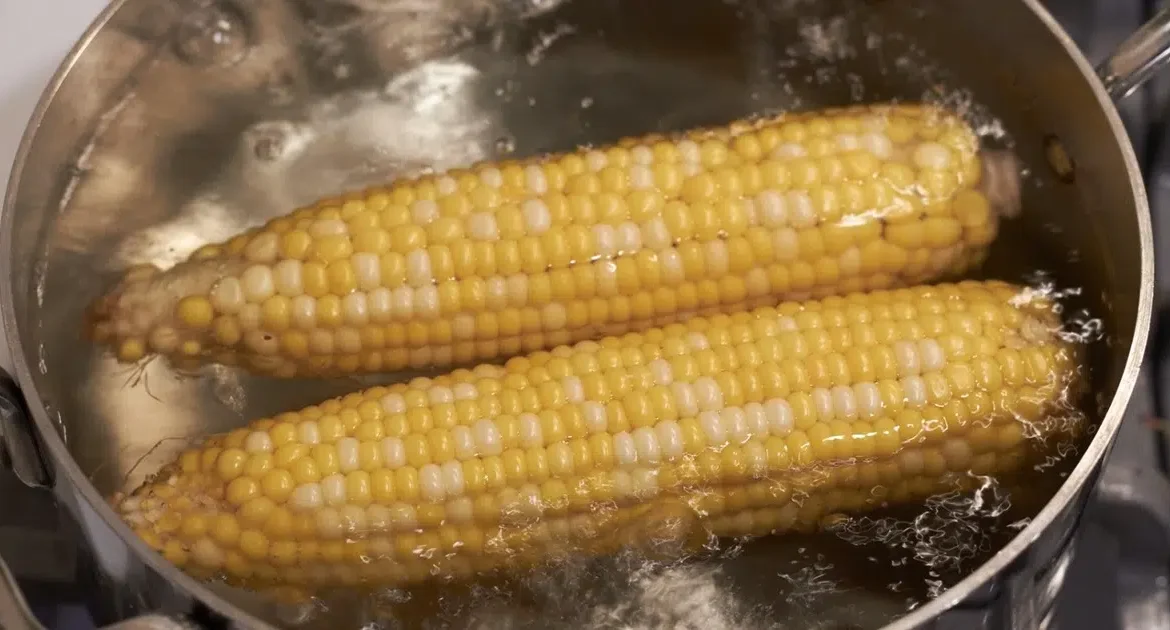
The Secret to the Best Boiled Corn on the Cob? Add Milk to the Water
There’s something nostalgic about biting into sweet summer corn fresh off the cob. Whether it’s served at backyard barbecues, family cookouts, or quiet weeknight dinners, corn on the cob has a way of making a meal feel comforting and complete.
For years, many of us grew up eating corn the same way: boiled in plain water, slathered with butter, and sprinkled with salt. Simple? Absolutely. Delicious? Usually. But once you discover the milk-boiling method, it’s hard to go back.
This easy kitchen trick transforms ordinary corn into something noticeably richer, sweeter, and more flavorful—without requiring complicated ingredients or extra work.
And surprisingly, the secret ingredient is probably already sitting in your refrigerator.
Why Adding Milk to Boiling Water Changes Everything
At first, boiling corn in milk may sound unusual. But there’s actually a reason this method works so well.
When corn cooks in plain water alone, the kernels can absorb excess moisture, sometimes making them slightly watery or dull in flavor.
Milk changes the cooking environment completely.
The natural fats and proteins in milk help:
- Enhance the corn’s sweetness
- Create a creamier texture
- Preserve the kernels’ natural bite
- Add subtle richness without overpowering flavor
The result is corn that tastes fresher, sweeter, and more indulgent—even before adding butter.
Many home cooks say the difference is immediately noticeable after the very first bite.
The Simple Milk-Boiled Corn Method
One of the best things about this trick is how easy it is.
What You Need
- Fresh corn on the cob
- Water
- Milk
- Optional: sugar, butter, salt, or herbs
The Ideal Ratio
For every quart of water:
- Add 1 cup of milk
This creates enough creaminess to improve the flavor without making the corn taste overly rich.
A Little Sugar Makes Sweet Corn Even Better
Some cooks also add:
- 1 tablespoon of sugar
While corn is naturally sweet already, the sugar can enhance flavor even more—especially if:
- The corn isn’t peak-season fresh
- The ears are slightly older
- The sweetness feels mild
The sugar doesn’t make the corn taste sugary. Instead, it intensifies the corn’s natural flavor in a subtle way.
Don’t Overcook the Corn
One of the biggest mistakes people make when boiling corn is cooking it too long.
Fresh corn cooks surprisingly quickly.
Ideal Cooking Time
Once the water reaches a rolling boil:
- Cook corn for about 7–8 minutes
That’s usually enough time for:
- Tender kernels
- Juicy texture
- Bright flavor
Overcooking can make corn:
- Mushy
- Less sweet
- Tougher over time
The goal is a crisp-tender bite—not soggy kernels.
Optional Ingredients That Add Even More Flavor
Once you try the milk method, it’s easy to start experimenting.
Some popular additions include:
- Butter
- Bay leaves
- Salt
- Garlic cloves
- Fresh herbs
- Black pepper
Even one extra ingredient can subtly change the flavor profile.
A stick of butter melted into the pot creates an especially rich finish that many families love for cookouts and holiday meals.
Why This Method Became So Popular
Many people first discovered milk-boiled corn through:
- Family traditions
- Old cookbooks
- Southern cooking techniques
- Social media recipes
- Summer barbecue blogs
And once people try it, they often keep making it that way permanently.
The method became especially popular because:
- It feels “homemade”
- It uses inexpensive ingredients
- It noticeably improves flavor
- It works for large family meals
It’s one of those small cooking upgrades that feels surprisingly impressive for how little effort it takes.
Is Milk-Boiled Corn Healthy?
Corn often gets unfairly criticized, but it can absolutely fit into a healthy, balanced diet.
Corn provides:
- Fiber
- Antioxidants
- Vitamin C
- B vitamins
- Natural carbohydrates for energy
Adding milk increases:
- Calcium
- Protein
- Creaminess without heavy sauces
And compared to processed side dishes, simple boiled corn remains a wholesome option for many families.
Of course, heavy butter or excess salt can increase calories, but the base recipe itself is fairly simple and balanced.
Estimated Nutrition Per Ear of Corn
(Approximate values depending on size and toppings)
| Nutrient | Estimated Amount |
|---|---|
| Calories | 120–170 |
| Carbohydrates | 25–30g |
| Protein | 4–5g |
| Fat | 2–6g |
| Fiber | 3–4g |
Milk and butter additions will slightly increase calories and fat content.
The Best Types of Corn for Boiling
Fresh corn always works best.
Look for:
- Bright green husks
- Slightly sticky silk
- Firm kernels
- Heavy ears
Sweet corn varieties tend to produce the most flavorful results with the milk-boiling method.
If possible, cook corn soon after purchasing it because natural sugars gradually convert into starch over time.
Delicious Ways to Serve Milk-Boiled Corn
This corn works beautifully:
- As a barbecue side dish
- At summer picnics
- With grilled meats
- Alongside burgers or ribs
- At holiday cookouts
You can also:
- Cut kernels into salads
- Add them to soups or chowders
- Mix into casseroles
- Use in pasta dishes
- Stir into creamy dips
The richer flavor makes it more versatile than standard boiled corn.
Common Mistakes to Avoid
Using Too Much Milk
Too much milk can overpower the corn’s natural flavor.
Stick to the recommended ratio for balance.
Overcooking
Corn cooks fast. Leaving it boiling too long can ruin texture.
Salting the Water Too Early
Some cooks avoid salting early because it may slightly toughen kernels.
Instead:
- Salt after cooking
or - Add only a small amount during cooking
Frequently Asked Questions
Does boiling corn in milk really make a difference?
Yes. Many people notice:
- Sweeter flavor
- Better texture
- Richer taste
- Less watery kernels
Can I use plant-based milk?
You can experiment with:
- Oat milk
- Almond milk
- Coconut milk
But dairy milk tends to provide the richest texture because of its fat content.
Can I make this ahead of time?
Yes. Corn can be boiled ahead and reheated gently with butter before serving.
Should I add butter directly to the pot?
Many people do. It adds extra richness and coats the corn beautifully.
Can frozen corn on the cob work?
Yes, although fresh corn usually produces the best flavor and texture.
Why Simple Cooking Tricks Often Work Best
Part of the charm of this recipe is how uncomplicated it is.
No fancy gadgets.
No expensive ingredients.
No difficult techniques.
Just one small adjustment that completely changes the final result.
That’s often what makes family recipes memorable—not complexity, but simple ideas that make ordinary food taste comforting and special.
Final Thoughts
If you’ve always boiled corn in plain water, trying the milk method might completely change the way you make it from now on.
The difference is subtle but noticeable:
- Sweeter kernels
- Creamier texture
- Richer flavor
- Better overall bite
And sometimes, the best cooking secrets aren’t complicated at all.
They’re the little tricks quietly passed from one kitchen to another—the kind that turn a simple ear of corn into something everyone talks about long after dinner is over.