Introduction
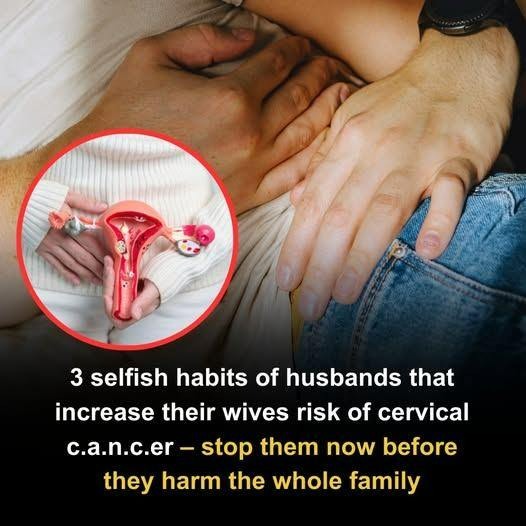
When people talk about cervical cancer prevention, the focus is usually placed entirely on women. But modern medical research shows that a partner’s health and sexual history can also play a major role.
Cervical cancer is most commonly caused by infection with the human papillomavirus (HPV), a sexually transmitted virus that spreads through intimate contact. Because HPV is passed between partners, certain sexual habits or health factors in husbands may influence their wife’s exposure to the virus.
Understanding these risk factors is not about blame or fear. Instead, it helps couples make informed decisions about sexual health, screening, and prevention. With the right awareness, regular medical care, and protective measures such as vaccination and testing, cervical cancer is one of the most preventable cancers today.
Why This Topic Matters
Learning about these risk factors can help couples protect their long-term health.
Key reasons this information is important:
- Helps couples understand how HPV spreads between partners
- Encourages regular cervical cancer screening
- Promotes open communication about sexual health
- Supports early detection and prevention
- Raises awareness about the importance of the HPV vaccine
The Link Between HPV and Cervical Cancer
Cervical cancer almost always develops from persistent infection with high-risk strains of HPV.
HPV is extremely common. In fact, most sexually active adults will encounter it at some point in their lives. However, in many cases the immune system clears the virus naturally.
Problems occur when:
- High-risk HPV strains persist
- The infection goes undetected for years
- Abnormal cervical cells develop over time
This is why regular Pap smears and HPV tests are critical for early detection.
3 Husband-Related Risk Factors That May Increase Cervical Cancer Risk
Based on available research, doctors have identified several partner-related factors that may increase a woman’s exposure to HPV.
1. Having Multiple Sexual Partners or Extramarital Affairs
Because HPV spreads through sexual contact, a husband’s sexual history can influence his wife’s exposure to the virus.
Men who have had multiple partners may have a higher chance of carrying high-risk HPV strains.
Research has shown:
- Husbands with premarital sexual relationships increased their wives’ risk by about 1.9 times
- Husbands with extramarital relationships increased the risk by about 2.7 times
- If a husband had three or more extramarital partners, the risk rose to around 3 times higher
- If relationships occurred both before and during marriage, risk increased significantly
These findings highlight how shared sexual health between partners matters for disease prevention.
2. A History of Sexually Transmitted Diseases (STDs)
A husband’s history of sexually transmitted infections may also indicate increased exposure to HPV.
STDs can be markers of sexual behavior patterns that increase the chance of HPV transmission between partners.
Research has found:
- A husband’s STD history before marriage increased his wife’s cervical cancer risk by about 2.9 times
- An STD history after marriage increased risk by nearly 6 times
This does not mean cervical cancer will occur, but it does highlight the importance of screening and preventive care.
3. Circumcision Status
Some research has suggested that male circumcision status may influence HPV transmission risk.
Studies have shown that women whose husbands were uncircumcised or circumcised later in life had a higher risk of cervical cancer compared with those whose husbands were circumcised in infancy.
Researchers believe the foreskin may provide an environment where HPV can persist longer, potentially increasing transmission risk.
However, this is only one factor among many, and it should be interpreted within the broader context of sexual health and prevention strategies.
Is Cervical Cancer Preventable?
Yes — cervical cancer is considered one of the most preventable cancers thanks to modern screening and vaccination.
Key prevention methods include:
- HPV vaccination
- Regular Pap smear tests
- HPV screening tests
- Safe sexual practices
- Open communication between partners
Early detection allows doctors to treat abnormal cells before they become cancerous.
Symptoms of Cervical Cancer to Watch For
Early stages of cervical cancer often do not cause symptoms, which is why screening is so important.
When symptoms appear, they may include:
- Unusual vaginal bleeding
- Bleeding after intercourse
- Pelvic pain
- Unusual vaginal discharge
- Pain during intercourse
These symptoms can also be caused by other conditions, but they should always be evaluated by a healthcare professional.
How Couples Can Protect Their Health
Healthy relationships include open conversations about health history and prevention.
Here are steps couples can take:
- Discuss sexual health honestly
- Get tested for STDs when appropriate
- Consider the HPV vaccine
- Encourage regular cervical screening
- Maintain regular doctor visits
Taking these steps together can significantly reduce long-term health risks.
Frequently Asked Questions
Can a faithful husband still transmit HPV?
Yes. HPV can remain in the body for years without symptoms, so it may be unknowingly passed between partners even in long-term relationships.
Does HPV always cause cervical cancer?
No. Most HPV infections clear naturally. Only persistent infections with high-risk strains may lead to cervical cancer.
Should men get the HPV vaccine?
Yes. Vaccination protects against several high-risk HPV strains and reduces transmission between partners.
How often should women get screened?
Screening recommendations vary by age, but many guidelines suggest:
- Pap smear every 3 years
- HPV testing every 5 years
Your doctor can recommend the best schedule.
Is cervical cancer treatable?
Yes. When detected early, cervical cancer has a very high survival rate, which is why screening is essential.
You May Also Like
- Early Warning Signs of Cervical Cancer Every Woman Should Know
- 7 Symptoms Doctors Say Women Should Never Ignore
- The Truth About HPV and How It Spreads
- 5 Health Screenings Every Woman Over 30 Should Schedule
- How Lifestyle Choices Can Influence Cancer Risk
Final Thoughts
Conversations about cervical cancer often focus only on women, but research reminds us that sexual health is shared between partners.
Understanding how HPV spreads and recognizing the role that both partners play in prevention can help reduce risk and encourage healthier relationships.
The most important message is simple: screening saves lives. With regular Pap tests, HPV vaccination, and open communication between partners, cervical cancer can often be prevented long before it becomes a serious health threat.