SEO Title:
Foods You Should Never Wash Before Cooking (Surprising Kitchen Mistakes That Could Be Ruining Your Meals)
Engaging Introduction
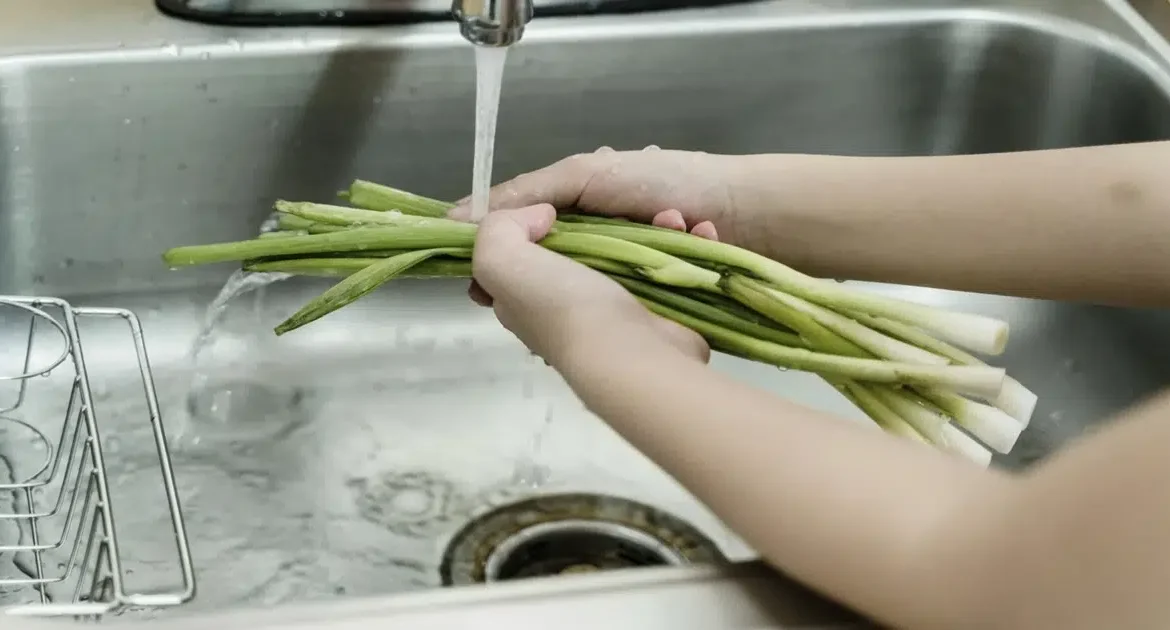
The internet is full of strange rabbit holes—one minute you’re reading cleaning hacks, and the next you’re questioning everything you’ve ever done in the kitchen. That’s exactly how I ended up rethinking something I’ve done my entire life: washing food before cooking it.
Growing up, I was taught that everything from meat to vegetables had to be rinsed before it even thought about touching a pan. It wasn’t optional—it was basically kitchen law. My mom insisted on it, my family followed it, and I carried that habit straight into adulthood without ever questioning it.
So when I stumbled across a simple list of foods you should never wash before cooking, I stopped in my tracks. Wait… we’ve been making things worse this whole time?
It turns out, in some cases, washing food doesn’t just do nothing—it can actually increase contamination, ruin texture, and affect flavor. And as someone who still occasionally Googles “how to boil an egg,” I had to dig deeper into this.
Here’s what surprised me most—and what might completely change the way you cook.
Why You’ll Love This Guide
- Helps you avoid common kitchen mistakes that affect food safety
- Explains surprising food science in simple terms
- Improves taste, texture, and cooking results
- Saves time in your daily cooking routine
- Perfect for beginners and home cooks in the USA
Foods You Should Never Wash Before Cooking
Chicken and Red Meat
This is one of the biggest kitchen misconceptions.
Many people instinctively rinse raw chicken or beef under the sink, thinking they are removing bacteria. In reality, this can do the opposite. Washing raw meat can splash harmful bacteria like salmonella across your sink, countertops, utensils, and even nearby food.
The safest method is simple: do not wash it.
Instead, cook it directly from packaging and ensure it reaches safe internal temperatures:
- Chicken: 165°F
- Red meat: 160°F
Cooking properly kills bacteria—washing only spreads it.
Mushrooms
Mushrooms may look sturdy, but they behave like tiny sponges.
When you wash them under water, they absorb moisture quickly. This leads to:
- Mushy texture
- Weak flavor
- Poor browning when cooked
Instead of rinsing, gently clean mushrooms using a damp paper towel or soft cloth. This keeps them dry so they can properly sauté and caramelize.
Pre-Washed Salad Greens
Those “triple-washed” salad bags at the grocery store are already cleaned and ready to eat.
Re-washing them might seem safer, but it can actually:
- Introduce bacteria from your sink
- Make greens wilt faster
- Reduce freshness
If the packaging says “pre-washed” or “ready-to-eat,” you can use them straight from the bag. It’s one of the easiest kitchen shortcuts available.
Fish
Washing raw fish is more harmful than helpful.
Rinsing fish:
- Spreads bacteria around your kitchen
- Damages delicate texture
- Can make it waterlogged and harder to sear
Instead, pat fish dry with a paper towel before cooking. This improves browning and keeps your pan clean.
Pasta
This one surprises many home cooks.
Some people rinse pasta after boiling it, but this removes the starch that helps sauce cling to noodles.
Without that starch:
- Sauce slides off
- Flavor becomes weaker
- Texture feels slippery instead of rich
The best method is simple: drain and mix immediately with sauce—no rinsing needed.
Eggs
Eggs naturally have a protective coating that helps keep bacteria out.
Washing eggs can:
- Remove this protective layer
- Increase risk of bacteria entering through the shell
- Reduce natural freshness protection
Unless eggs are visibly dirty, it’s best not to wash them before cooking.
Is This Kitchen Advice Actually Safe?
Yes—but with context.
Most of these recommendations are based on food safety science used in modern kitchens and supported by food safety agencies. However, proper cooking and hygiene matter more than washing.
The key takeaway:
Heat kills bacteria—not water.
So safe cooking temperatures and clean preparation surfaces are far more important than rinsing raw ingredients.
Calories & Nutrition Impact (Indirect Benefits)
While this isn’t about changing nutrition directly, proper handling can:
- Preserve nutrients in vegetables (like mushrooms and greens)
- Improve protein quality by avoiding cross-contamination
- Help maintain food texture, making healthy meals more enjoyable
Better cooking habits often lead to healthier eating overall.
Tips for Best Results in the Kitchen
- Always wash your hands before and after handling raw food
- Use separate cutting boards for meat and vegetables
- Pat ingredients dry instead of rinsing when needed
- Cook meats to safe internal temperatures
- Read packaging labels for “pre-washed” foods
Small habits make a big difference in both safety and taste.
Variations & Smart Kitchen Swaps
- Use paper towels instead of water for cleaning mushrooms
- Replace rinsing pasta with immediate saucing
- Swap raw rinsing of meat with proper seasoning and searing
- Use salad kits directly without re-washing
- Dry fish thoroughly for better pan results
FAQs
Should I ever wash raw chicken?
No. Washing raw chicken increases the risk of spreading bacteria. Cooking it properly is what makes it safe.
Why do mushrooms get soggy when washed?
They absorb water like sponges, which prevents proper browning and makes them mushy.
Can I re-wash pre-washed salad?
You can, but it’s unnecessary and may introduce bacteria from your sink.
Why shouldn’t pasta be rinsed?
Rinsing removes starch that helps sauce stick to noodles.
Is it safe to eat unwashed eggs?
Yes—eggs are naturally protected unless visibly dirty. Washing can remove that protective layer.
You May Also Like
- Kitchen Mistakes Most Home Cooks Don’t Realize They’re Making
- Simple Food Safety Tips Every Beginner Should Know
- Easy Weeknight Dinner Recipes for Busy Families
- How to Store Food Properly to Keep It Fresh Longer
- Cooking Hacks That Actually Save Time in the Kitchen
- Beginner-Friendly Guide to Safe Meal Prep
Final Thoughts
Cooking doesn’t always become better by doing more—it often improves when you stop doing things that aren’t necessary.
Something as simple as rinsing food can affect safety, texture, and flavor in ways most of us never think about. Once you understand what actually matters in the kitchen, everything feels a little easier—and a lot more confident.
So the next time you’re cooking, pause for a second before turning on the tap. You might realize you don’t need it at all.