Engaging Introduction
We trust the food on our plates. After all, if it’s sold in stores or served at the table, it must be safe—right? But the truth is a little more complex. Many everyday foods are only safe because of carefully passed-down preparation methods that most of us follow without even thinking.
From root vegetables to exotic fruits, nature often builds in its own defenses. These natural compounds can be harmful—or even toxic—if foods are eaten the wrong way. What keeps us safe isn’t luck. It’s knowledge, tradition, and proper preparation.
If you’re interested in healthy eating, food safety, and smart kitchen habits, this guide will open your eyes to some surprising truths—and help you stay safe while enjoying your favorite meals.
Why You Should Know This
- ✔️ Helps you avoid hidden food risks
- ✔️ Supports safe and healthy eating habits
- ✔️ Builds awareness of natural toxins in foods
- ✔️ Encourages smarter food preparation
- ✔️ Protects your family from preventable harm
🍽️ Is This About Healthy Eating?
Absolutely. Eating healthy isn’t just about nutrients—it’s also about food safety.
Many of these foods are nutritious and widely consumed, but only when prepared correctly. Understanding how to handle them properly is a key part of maintaining a balanced and safe diet.
⚠️ Common Foods That Can Be Dangerous (If Mishandled)
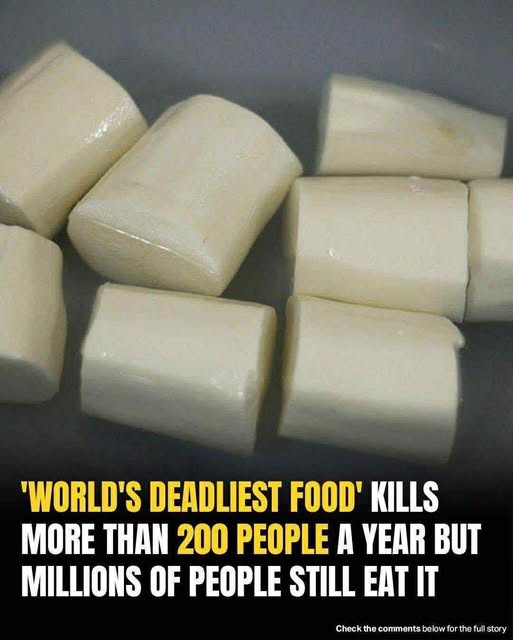
1. Cassava (Yuca Root)
A staple food in many parts of the world, cassava contains compounds that can release cyanide.
Why it’s risky:
If not soaked, rinsed, and cooked properly, it can be toxic.
Safe use:
Always prepare thoroughly—never eat raw.
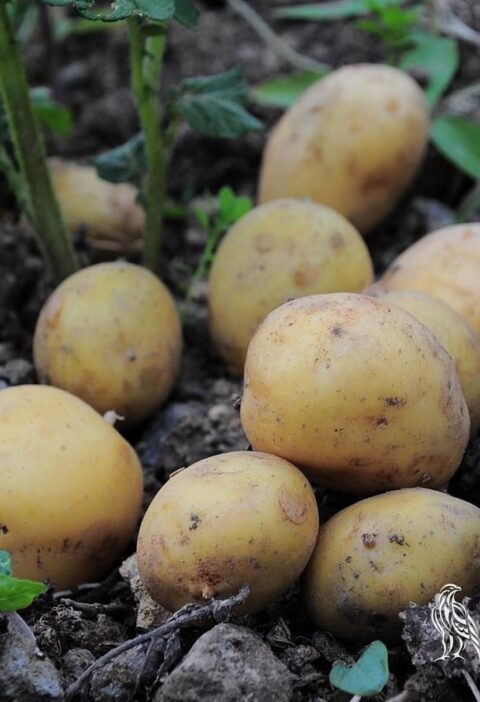
2. Green Potatoes
Potatoes that turn green produce a toxin called solanine.
Why it’s risky:
Can cause nausea, headaches, and more serious symptoms.
Safe use:
Discard green potatoes entirely—don’t just cut off the green parts.
3. Starfruit
A beautiful, tropical fruit—but not safe for everyone.
Why it’s risky:
People with kidney disease may experience severe reactions.
Safe use:
Avoid if you have kidney issues; consult a doctor if unsure.
4. Fruit Seeds & Pits (Apple, Cherry, Bitter Almonds)
These contain compounds that can release cyanide when crushed.
Why it’s risky:
Large amounts or chewed seeds can be harmful.
Safe use:
Avoid crushing or consuming pits and seeds in large quantities.
5. Raw or Undercooked Kidney Beans
Kidney beans contain a natural toxin that breaks down with heat.
Why it’s risky:
Can cause severe digestive distress if undercooked.
Safe use:
Always boil thoroughly before eating.
6. Cashews (Truly Raw)
Cashews in stores are not actually raw—they’re heat-treated.
Why it’s risky:
Natural shells contain irritants similar to poison ivy.
Safe use:
Only eat commercially processed cashews.
7. Nutmeg (In Large Amounts)
A common baking spice that can become dangerous in excess.
Why it’s risky:
High doses may cause hallucinations and serious side effects.
Safe use:
Use only small culinary amounts.
8. Pufferfish (Fugu)
A delicacy known for its risk.
Why it’s risky:
Contains a powerful neurotoxin.
Safe use:
Only prepared by licensed professionals.
🥗 Nutrition & Safety Balance
These foods aren’t “bad”—in fact, many are highly nutritious:
- Cassava provides energy-rich carbohydrates
- Beans offer plant-based protein
- Fruits supply vitamins and antioxidants
The key is proper preparation and moderation.
💡 Tips for Safe Cooking & Eating
- Always follow trusted cooking methods
- Avoid eating unfamiliar foods raw
- Research ingredients before trying new recipes
- Store food properly to prevent spoilage
- When in doubt, throw it out
🔄 Variations & Smart Substitutions
- Swap cassava with potatoes or rice if unsure
- Use seedless fruit varieties when possible
- Replace risky ingredients with safer alternatives
- Stick to well-known, properly processed products
❓ FAQ Section
1. Are natural foods really dangerous?
Some contain natural toxins, but proper preparation makes them safe.
2. Should I avoid these foods completely?
No—just handle and prepare them correctly.
3. What is the most dangerous food on the list?
Pufferfish is among the most dangerous if improperly prepared.
4. Can cooking remove toxins?
Yes, in many cases (like beans), proper cooking neutralizes harmful compounds.
5. How can I stay safe trying new foods?
Research preparation methods and follow trusted recipes.
🍽️ You May Also Like
- Easy Healthy Cooking Tips for Beginners
- Foods You Should Never Eat Raw
- Best Kitchen Safety Habits
- Healthy Meal Prep Ideas
- Smart Grocery Shopping Tips
- Beginner’s Guide to Balanced Nutrition
✨ Final Thoughts
Food is powerful. The same ingredients that nourish us can also cause harm if we ignore the knowledge behind them.
But there’s good news—generations before us have already figured out how to enjoy these foods safely. By respecting those traditions and understanding what we’re eating, we can turn potential risks into delicious, memorable meals.
Because in the end, safe cooking is just as important as good cooking.