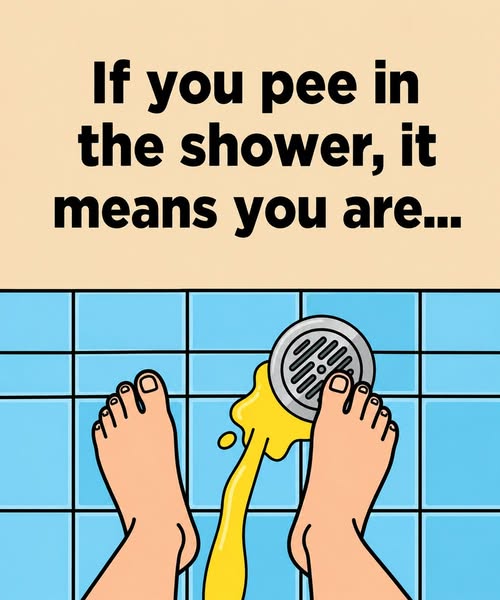
Let’s be honest: most people have either done it, thought about it, or wondered whether it’s actually “gross.”
Peeing in the shower sits in that strange category of human habits nobody talks about openly but millions quietly understand. Some people treat it like a harmless convenience. Others react with complete disgust.
But what’s the real truth?
Is it unhygienic?
Does it damage plumbing?
Can it actually save water?
And why does this tiny bathroom habit spark such strong reactions?
The answer turns out to be far more about psychology, culture, and perception than most people realize.
Why the Topic Feels So Taboo
Urination is completely natural, yet society teaches people from an early age that it belongs in very specific places and situations.
The shower, meanwhile, is mentally associated with cleanliness.
So when those two things combine, many people instinctively feel like the act must be “dirty” or wrong — even if the actual science is more nuanced.
In reality, much of the discomfort surrounding the topic comes from cultural conditioning rather than evidence of serious health risks.
Is Pee in the Shower Actually Unhygienic?
From a scientific perspective, urine from a healthy person is generally low-risk and mostly made up of:
- Water
- Urea
- Salts
- Waste byproducts filtered by the kidneys
Fresh urine is not considered highly dangerous in normal circumstances, especially when diluted immediately by running water.
In a shower environment:
- Water continuously washes substances toward the drain
- Soap and shampoo are already breaking down oils and bacteria
- Surfaces are regularly rinsed and cleaned
That means peeing in the shower typically does not create major hygiene problems in a properly maintained bathroom.
However, this does not mean showers clean themselves automatically.
Poorly cleaned showers can still develop:
- Mold
- Bacteria
- Odor buildup
- Biofilm around drains
But those issues are usually related to moisture and poor cleaning habits — not specifically urine itself.
The Environmental Argument
One reason some people defend the habit is surprisingly practical:
Water conservation.
Every toilet flush uses water, and depending on the toilet model, that can add up significantly over time.
A quick estimate:
- Older toilets may use several gallons per flush
- Newer low-flow models use less, but still consume water
Skipping even one flush per day can reduce household water use over months and years.
Individually, the savings are small.
Collectively, they become more noticeable.
That’s why some environmental campaigns and sustainability discussions occasionally mention shower urination as a minor water-saving behavior.
Why Warm Water Makes People Need to Pee
Many people notice they suddenly feel the urge to urinate once they step into a warm shower.
There’s a biological reason for that.
Warm water helps muscles relax, including muscles involved in bladder control. The relaxing environment may also reduce tension and make bodily signals feel stronger.
In other words:
sometimes it’s less a conscious decision and more a natural reflex response.
Does It Damage Plumbing?
In most normal household plumbing systems, urine itself does not damage pipes.
Showers are designed to handle:
- Water
- Soap
- Skin oils
- Dirt
- Hair
- Other biological waste particles
Urine is diluted heavily with running water and flushed through the drainage system quickly.
The bigger plumbing risks usually come from:
- Hair buildup
- Soap scum
- Mineral deposits
- Poor drainage maintenance
Not occasional urination.
What About Health Claims?
Over the years, strange health myths have circulated online claiming urine can:
- Improve skin
- Treat acne
- Heal fungal infections
- Provide anti-aging benefits
These claims are mostly unsupported or exaggerated.
While urine does contain compounds like urea — which is used in some dermatology products — modern skincare treatments are carefully purified, tested, and formulated safely.
That’s very different from using raw urine directly.
Experts generally recommend sticking to proven medical and skincare products rather than internet myths.
The Real Issue: Shared Spaces and Courtesy
Scientifically, the debate is often less dramatic than people assume.
Socially, though, it becomes more complicated.
In shared homes or communal showers, comfort and respect matter.
Some people simply dislike the idea emotionally, regardless of the science. That reaction is valid because social norms and personal boundaries influence how people feel about hygiene.
Good bathroom habits still matter:
- Rinse thoroughly
- Keep showers clean
- Maintain ventilation
- Respect shared living spaces
The bigger issue is often consideration for others, not catastrophic hygiene risks.
Why People Feel So Strongly About It
Interestingly, reactions to peeing in the shower often reveal deeper attitudes about:
- Cleanliness
- Privacy
- Body functions
- Social norms
- Personal comfort
Some see it as practical and harmless.
Others view it as crossing an invisible line.
The science may explain the risks realistically, but emotions and cultural expectations shape how people ultimately feel about the habit.
The Bottom Line
Peeing in the shower is far less shocking scientifically than socially.
For healthy individuals in a regularly cleaned shower, it generally does not create major hygiene dangers, damage plumbing, or pose serious health risks. Running water and normal cleaning routines minimize most concerns.
At the same time, shared spaces and personal boundaries matter, and not everyone feels comfortable with the idea.
In the end, the debate says as much about human psychology and social conditioning as it does about bathroom habits themselves.
Sometimes the things people argue about most intensely aren’t really about science at all — they’re about perception.