Engaging Introduction
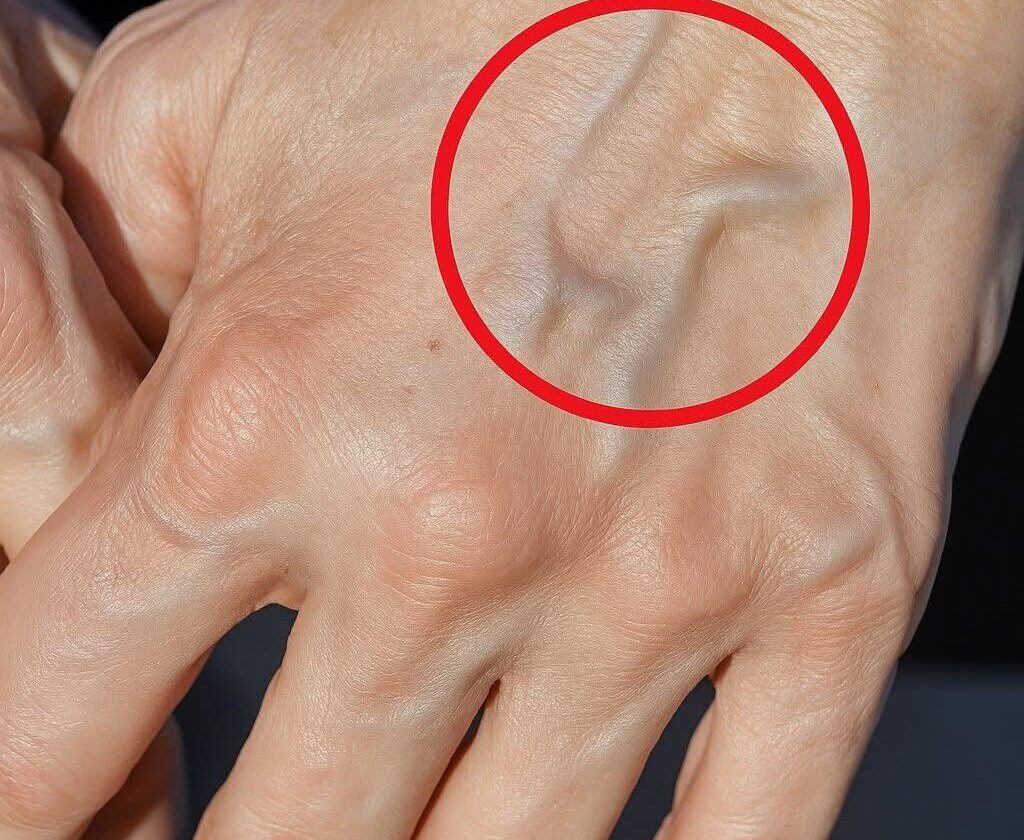
Noticing your veins becoming more visible can be unsettling. One day everything looks normal, and the next, you spot bulging or blue veins on your hands, arms, or legs. It’s easy to jump to conclusions and worry about your health—but in many cases, visible veins are completely normal.
The truth is, your body constantly adapts to factors like temperature, activity level, and even hydration. Sometimes, those changes show up right under your skin. Understanding the difference between harmless vein visibility and real medical warning signs can help you stay calm, informed, and in control of your health.
Why You’ll Love This Guide
- Clear, science-based explanations
- Helps reduce anxiety and confusion
- Easy-to-follow health insights
- Identifies real warning signs early
- Supports better circulation and vein health
What Causes Visible Veins?
Visible or bulging veins usually happen when blood flow changes or when veins become closer to the skin’s surface. In most cases, this is harmless.
Common (Benign) Causes
- Exercise: Increased blood flow makes veins expand
- Heat: Blood vessels dilate to cool your body
- Low body fat: Less fat makes veins more visible
- Aging: Skin becomes thinner over time
- Genetics: Some people naturally have more visible veins
- Pregnancy: Increased blood volume and pressure
- Prolonged sitting or standing: Blood pools in the legs
💡 Key insight: Visibility does NOT automatically mean something is wrong.
Is This a Health Concern?
Most visible veins are not dangerous. However, in some cases, they can be linked to medical conditions that require attention.
Conditions to Be Aware Of
- Varicose veins
Enlarged, twisted veins that may cause aching or heaviness - Phlebitis
Inflammation causing redness, warmth, and tenderness - Deep vein thrombosis
A serious condition involving a blood clot, usually in the leg - Chronic venous insufficiency
Poor blood flow back to the heart, causing swelling and skin changes - Superior vena cava syndrome (rare)
Swelling and visible veins in the upper body due to blockage
🚨 When to Worry: Warning Signs
Seek medical care if you notice:
- Sudden swelling in one leg or arm
- Pain or tenderness in the calf or thigh
- Warmth or redness over a vein
- Skin discoloration (red, purple, or dark patches)
- Shortness of breath or chest pain
- Veins appearing suddenly on the chest or abdomen
- Open sores near the ankles
⚠️ These could indicate serious conditions like blood clots and should not be ignored.
Calories & Nutrition (For Circulation Health)
While veins themselves don’t have “calories,” your diet plays a big role in circulation health.
A balanced diet rich in:
- Fiber
- Healthy fats
- Lean protein
…can support blood flow and reduce pressure on veins.
Foods that help:
- Leafy greens
- Berries
- Omega-3-rich foods (like fish)
- Plenty of water
Tips for Healthy Veins
- Move regularly – avoid sitting or standing too long
- Elevate your legs when resting
- Stay hydrated
- Maintain a healthy weight
- Wear compression socks if needed
- Avoid tight clothing that restricts circulation
Variations & Lifestyle Adjustments
Depending on your routine:
- Desk job? → Set reminders to stand every hour
- Standing job? → Shift weight and take short walking breaks
- Traveling often? → Use compression socks on long trips
- Pregnant? → Elevate legs and consult your doctor
Frequently Asked Questions
Are visible veins a sign of poor circulation?
Not necessarily. They can actually indicate healthy blood flow, especially after exercise.
Can I prevent varicose veins?
You can reduce risk with movement, weight management, and good circulation habits.
Are spider veins dangerous?
Usually not. They’re mostly cosmetic but can sometimes signal mild vein issues.
Can dehydration affect veins?
Yes—low hydration can affect blood volume and circulation.
When should I see a doctor?
If you notice pain, swelling, discoloration, or sudden changes.
You May Also Like
- Healthy Habits to Improve Circulation
- Signs of Poor Blood Flow You Should Know
- Easy Daily Fitness Routine for Heart Health
- Best Foods for Vascular Health
- Simple Lifestyle Changes for Long-Term Wellness
Final Thoughts
Visible veins are often just a normal part of how your body works—not a problem to fear. But your body also gives signals when something needs attention.
The key is balance: stay informed without overreacting, and listen to your body without panic.
Because good health isn’t about perfection—it’s about awareness, consistency, and knowing when to take action.